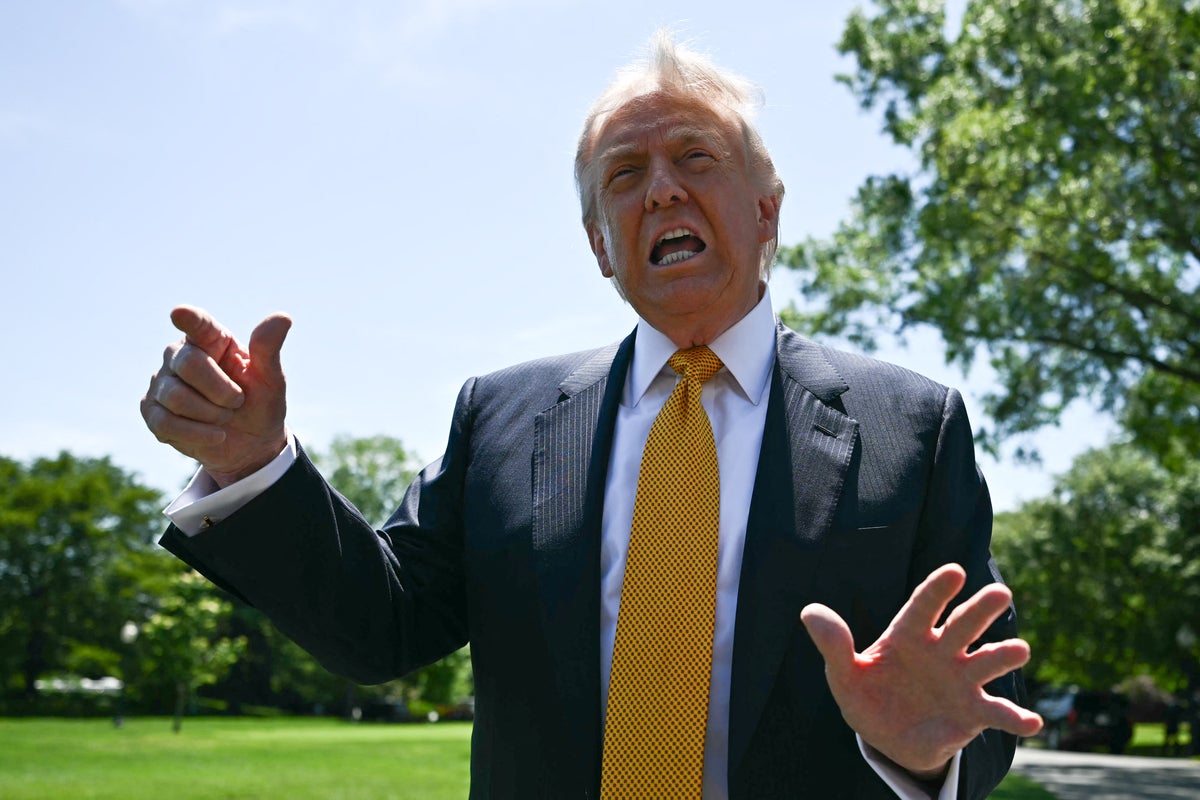
Donald Trump just told the world he doesn't think about your wallet. Specifically, when asked about the escalating financial toll of the war with Iran, he brushed it off with a bluntness that even for him felt cold. "I don't think about Americans' financial situation," he said on Tuesday. He followed that up by claiming the only thing that matters is stopping Iran’s nuclear program. It’s a bold stance, but for families watching gas prices climb past $4 a gallon, it feels less like leadership and more like a disconnect from reality.
The Massive Bill for Operation Midnight Hammer
We aren't talking about pocket change. The Pentagon recently admitted the direct cost of the conflict has already hit $29 billion. That’s just the upfront "receipt" for munitions, fuel, and troop deployments. Some independent analysts, like Stephen Semler from the Center for International Policy, suggest the real number is closer to $72 billion when you factor in the full scope of military aid and asset wear-and-tear. That’s over $1 billion every single day.
While the White House focuses on "crushing" the regime, the domestic fallout is getting messy. The consumer price index jumped 3.8% in April. More than half of that increase came directly from energy costs. Basically, the war is a massive tax on every person who drives a car or buys groceries. Trump’s response? "Not even a little bit" concerned. He's betting that voters will prioritize national security over their bank accounts, but that’s a risky gamble when the rent is due.
Why the Gas Pump Is Your New Enemy
If you’ve been to a gas station lately, you know the pain. Prices have spiked nearly 30% year-over-year. The closure of the Strait of Hormuz on March 4 turned the global energy market upside down. This isn't just about "expensive gas." It’s about the ripple effect. When it costs more to move a truck, it costs more to buy a gallon of milk.
- Brent Crude surged past $120 per barrel.
- Energy costs rose 17.9% in just one year.
- Inflation is sticky, and the Federal Reserve is now stuck between a rock and a hard place regarding interest rates.
Trump’s strategy is "maximum pressure," but that pressure is being felt just as much in Ohio and Florida as it is in Tehran. He’s pushing for a federal gas tax pause to offer some relief, but experts say that’s a Band-Aid on a bullet wound. You can't fix a 30% price hike by trimming a few cents in taxes while simultaneously staying locked in a war that keeps supply lines choked.
The Long Term Debt Trap
Wars are never "one-time" expenses. We’re still paying for the wars of twenty years ago through veteran care and massive interest on the debt. If the U.S. government keeps borrowing at this rate to fund the Iran conflict, the interest payments alone will eventually dwarf other national priorities. We're seeing a shift where money that could go toward infrastructure or healthcare is being diverted to "Operation Epic Fury."
Secretary of War Pete Hegseth basically summed up the administration's fiscal policy as "killing bad guys" regardless of the cost. It’s a simple narrative, but it ignores the "shadow costs" that will linger for decades. Supply chains that break overnight take years to rebuild. Once inflation expectations get baked into the economy, they don't just disappear because a treaty gets signed.
Reality Check on the Nuclear Threat
The administration’s core argument is that a nuclear Iran is an "extraordinary threat" that justifies any economic sacrifice. Trump is essentially saying that a bankrupt America is better than an America living in the shadow of an Iranian nuke. It’s a classic "security vs. prosperity" trade-off.
However, by saying he doesn't think about the financial situation "at all," Trump is ignoring the very thing that makes a country strong: its economic stability. A nation with $34 trillion in debt and a domestic population struggling with basic costs is a nation with limited options. Honestly, the bravado might play well at a rally, but it doesn't pay the bills.
If you’re trying to navigate this mess, start by looking at your own energy consumption. With no end to the conflict in sight, these "war prices" are the new normal for the foreseeable future. Don't wait for a government tax pause that might never come or won't move the needle. Audit your transportation costs and prepare for interest rates to stay higher for longer. The era of cheap energy and low-interest debt is officially a casualty of war.
Trump's indifference to the economic toll
This video captures the specific moment President Trump dismissed concerns about the American financial situation in favor of his singular focus on Iran.