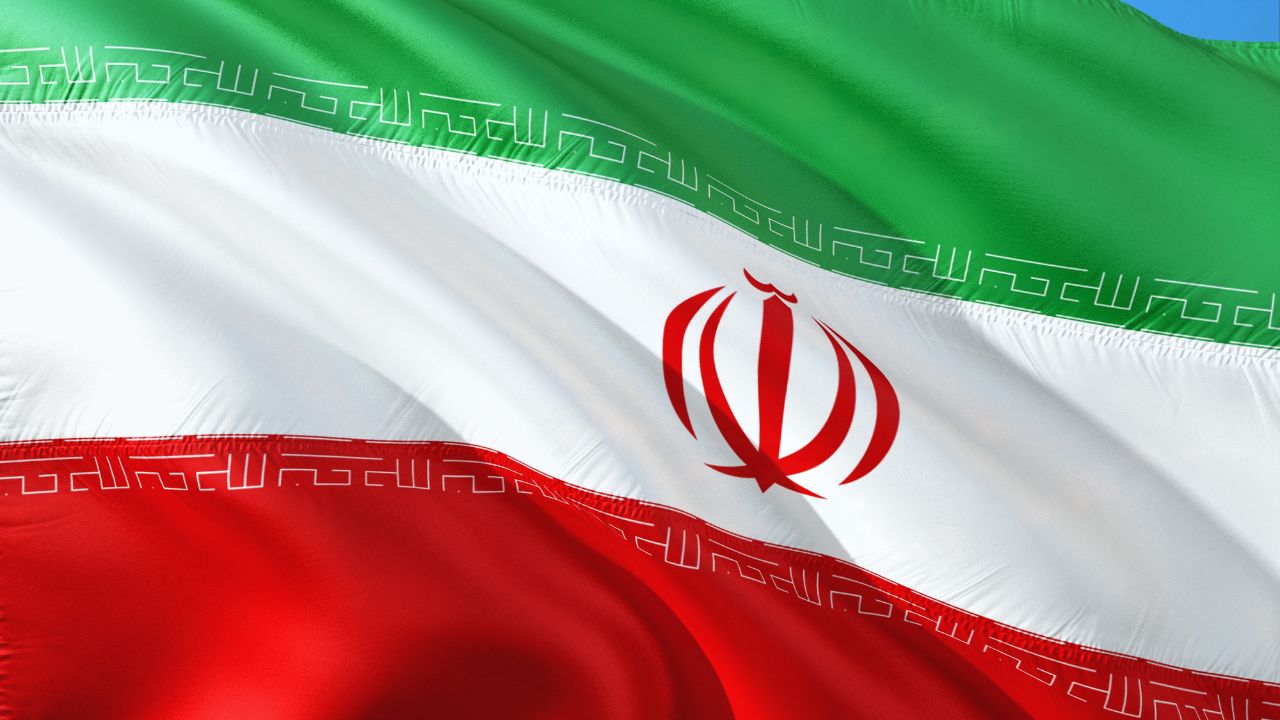
The death of an Iranian activist on Canadian soil is not an isolated criminal event but a data point in a broader strategic deployment of transnational repression. For the Iranian state, the diaspora represents a primary threat vector to regime stability, necessitating a sophisticated mix of kinetic action and psychological operations designed to fracture opposition groups. By analyzing the recent escalation of violence against activists in North America, we can identify a shift from passive monitoring to active neutralization. This strategy relies on the exploitation of existing ideological rifts within the Iranian-Canadian community, turning internal political friction into a tool for institutional paralysis.
The Architecture of Transnational Repression
Transnational repression operates through three distinct functional layers: physical coercion, digital surveillance, and psychological fragmentation. The objective is rarely the total elimination of all dissidents—an impossible task—but the creation of a high-friction environment that makes sustained political organization untenable.
- The Kinetic Layer: High-profile assassinations or physical assaults serve as "demonstration events." These actions are designed to raise the perceived cost of activism. When a prominent voice is silenced, the chilling effect spreads through the entire network, forcing other activists to divert resources toward personal security rather than political messaging.
- The Informational Layer: State-linked actors infiltrate digital spaces to harvest data on familial connections. In the Iranian context, this creates a "hostage-by-proxy" dynamic, where the safety of relatives remaining in Iran becomes a variable in the activist's decision-making process abroad.
- The Sociological Layer: This is the most effective and least understood mechanism. It involves the intentional amplification of "horizontal hostility." By injecting polarizing narratives into diaspora forums, the state ensures that opposition groups spend more energy debating internal purity tests than challenging the regime’s legitimacy.
Mapping the Diaspora Cleavage Points
The Iranian diaspora in Canada is not a monolithic entity. It is a complex ecosystem divided by historical grievances, class distinctions, and competing visions for Iran’s future. The state leverages these existing fault lines to ensure the community remains politically impotent.
The Monarchist-Republican Dichotomy
The most visible division lies between those advocating for the restoration of the Pahlavi monarchy and those seeking a secular democratic republic. This friction is often weaponized by outside actors who use bot networks and state-run media to frame every debate as a zero-sum game. When one side gains prominence, the other is characterized as "counter-revolutionary" or "regime-lite," effectively stalled by an internal feedback loop of accusations.
The Reformist vs. Abolitionist Conflict
A secondary fissure exists between the "Reformists"—who believe the current system can be changed from within—and the "Abolitionists," who demand total regime change. The Iranian state exploits this by selectively engaging with certain diaspora voices to create the illusion of a moderate path, which further enrages the radical wing and deepens the trust deficit within the community.
The Proxy Execution Model
A significant shift in Iranian operational doctrine involves the use of "contracted proxies." Rather than deploying intelligence officers directly from Tehran—which carries high diplomatic risk—the state increasingly utilizes third-party criminal organizations or radicalized local elements.
This model offers three strategic advantages:
- Plausible Deniability: Linking a street-level criminal act to a foreign intelligence agency requires a high evidentiary threshold that often takes years to meet in Western courts.
- Operational Scalability: By outsourcing the "muscle," the state can strike multiple targets simultaneously across different jurisdictions without expanding its formal intelligence footprint.
- Narrative Control: Media reporting often focuses on the "mysterious" nature of the crime or local gang connections, obscuring the geopolitical motivation behind the hit.
The Failure of Canadian Counter-Interference Frameworks
The Canadian government’s response to transnational repression has historically been reactive rather than structural. The current legal and intelligence frameworks suffer from a "silo effect" that prevents a cohesive defense of the diaspora.
Intelligence vs. Evidence
CSIS (Canadian Security Intelligence Service) often possesses high-fidelity intelligence regarding threats to activists, yet this information frequently fails to transition into "discloseable evidence" for the RCMP (Royal Canadian Mounted Police). This gap creates a permissive environment where threats are known but remain unprosecuted. Activists are often warned of a "credible threat" but are given no tactical support, leaving them in a state of perpetual anxiety that effectively silences them.
Financial Opaque Zones
The flow of capital between Tehran and Canada remains a critical vulnerability. The lack of a robust, transparent registry for foreign agents allows state-affiliated individuals to fund community organizations, media outlets, and religious centers that serve as intelligence-gathering nodes. These entities often present as legitimate cultural hubs while actively monitoring and intimidating the local population.
The Strategic Cost of Disunity
The fracturing of the Iranian-Canadian community is not a byproduct of the conflict; it is the desired outcome. When a community cannot agree on a basic security protocol or a unified message for the Canadian government, they become "un-representable." Policy makers in Ottawa, faced with a cacophony of conflicting demands and internal accusations of "regime infiltration," often opt for a policy of non-engagement or minimal intervention.
This inertia allows foreign actors to operate with increasing boldness. The death of an activist serves as a stress test for the host nation's sovereignty. If the response is limited to rhetorical condemnation without structural changes to foreign influence laws or intelligence-sharing protocols, the aggressor state views the operation as a success.
Quantifying the Chilling Effect
The impact of repression is measurable through the decline of public participation in diaspora politics. Analysis of community engagement following high-profile incidents shows a distinct pattern:
- The Immediate Spike: A brief surge in protest activity and social media outrage.
- The Withdrawal: A subsequent sharp decline in attendance at public rallies, as the "cost" of being photographed by regime agents is weighed against the perceived impact of the protest.
- The Professional Pivot: Highly skilled or prominent members of the diaspora cease public political commentary to protect their professional standing or the safety of family members, leading to a "brain drain" of leadership within the movement.
Tactical Pivot for Diaspora Resilience
To counter this orchestrated fragmentation, the diaspora must move beyond reactive mourning and toward institutional hardening. This requires a transition from ideological debate to operational security.
- Audit of Community Hubs: Independent verification of the funding and leadership of major community organizations to identify potential state influence.
- Unified Security Liaisons: The creation of a professionalized body that acts as a bridge between the diaspora and Canadian law enforcement, streamlining the reporting of threats and ensuring intelligence reaches the necessary tactical units.
- Ideological De-escalation: A deliberate movement to decouple the debate over Iran's future government from the immediate necessity of collective security. Until the community can agree that the safety of all its members is a non-negotiable priority, it will remain a collection of targets rather than a political force.
The escalation of violence in Canada indicates that the Iranian state no longer views the Atlantic Ocean as a barrier to its internal security operations. The "division" within the diaspora is not a organic disagreement but a manufactured state of war. Countering this requires the Canadian state to treat transnational repression not as a series of isolated crimes, but as a direct assault on the integrity of its own democratic institutions. Failing to prosecute the architects of these operations guarantees their repetition.