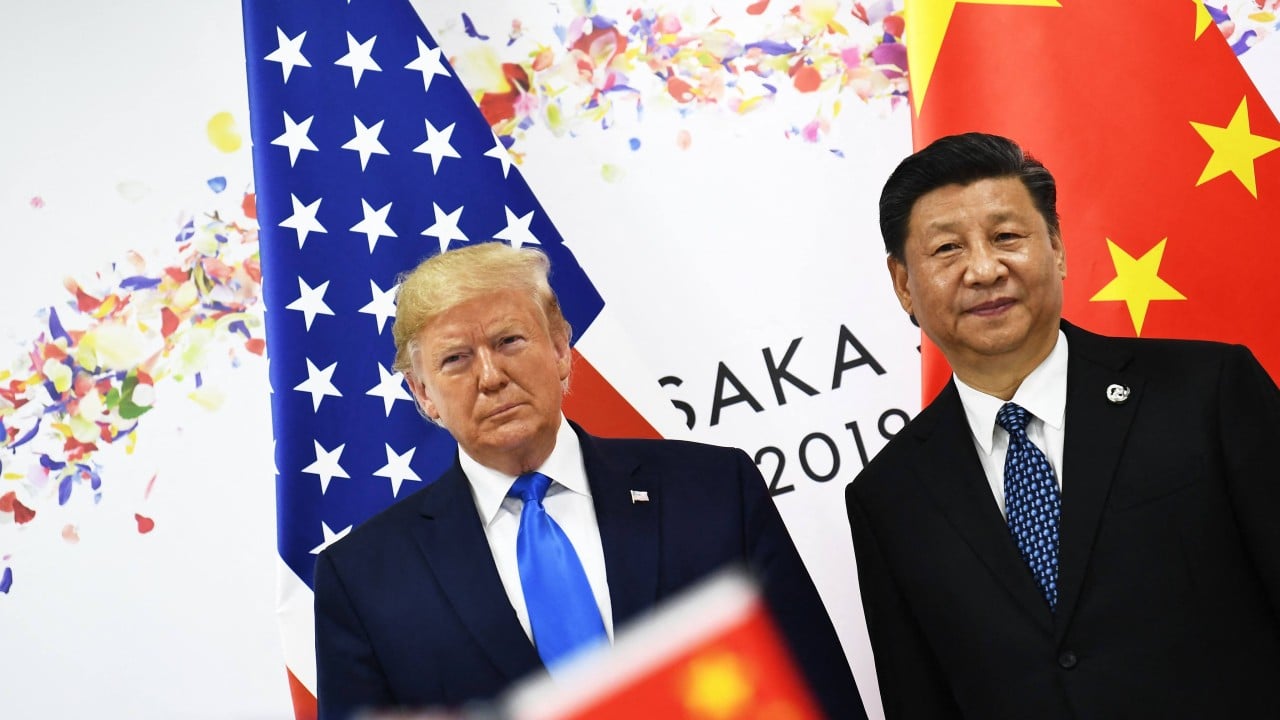
The global analyst class is currently obsessed with a phantom. They are wringing their hands over the "insufficiency" of trade wins ahead of the May summit between Xi Jinping and Donald Trump. They claim that soybean quotas and semiconductor tariffs are mere band-aids on a gaping wound of structural misalignment. They argue that unless the two leaders solve intellectual property theft and state-mandated subsidies, the summit is a failure.
They are wrong. They are looking at the scoreboard while missing the fact that the players are redesigning the stadium.
The "lazy consensus" suggests that trade stability is the ultimate goal of high-level diplomacy. This assumes both Washington and Beijing actually want a return to the integrated, friction-less globalization of 2005. They don't. Friction is the new feature, not a bug. The summit isn't about "winning" a trade war; it is about establishing the new borders of a bifurcated world.
The Myth of the Structural Fix
Every pundit from D.C. to Davos insists that Trump must force Xi to dismantle "China 2025." They want a treaty that fundamentally changes how the Chinese Communist Party (CCP) manages its internal economy. This is a fundamental misunderstanding of sovereignty and power.
I have spent two decades watching Western negotiators fly into Beijing with 50-page demands on "structural reform," only to fly out with a promise that China will buy more Boeing jets. The pundits call this a "weak" outcome. I call it the only logical outcome.
No sovereign nation—especially one with a multi-generational plan for hegemony—will dismantle its core industrial policy because of a tariff threat. To expect Xi to abandon state subsidies is like expecting the U.S. to abandon the First Amendment because of a trade deficit. It isn't going to happen. The "trade wins" that experts dismiss as "not enough" are actually the only real currency on the table. Everything else is performance art for the domestic base.
Why a "Grand Bargain" Would Be a Disaster
The "experts" say we need a comprehensive deal. Be careful what you wish for. A comprehensive deal implies a locked-in, long-term codependency. In the current geopolitical climate, codependency is a liability.
If Trump and Xi signed a perfect, all-encompassing trade agreement tomorrow, it would crash within six months. Why? Because the underlying tension isn't about trade balances; it’s about the Thucydides Trap—the inevitable friction when a rising power meets an established one.
By keeping the wins "small" and focused on commodities (soybeans, energy, meat), both leaders maintain their flexibility. They are decoupling while pretending to negotiate. This isn't a failure of diplomacy; it is the most sophisticated form of it. It allows for a controlled cooling of the engine without the entire vehicle exploding on the highway.
The Intellectual Property Red Herring
"But what about IP theft?" the critics scream. "Trump isn't doing enough to protect American innovation!"
Let’s get real. Intellectual property protection is not something you "win" in a summit. It is something you enforce through domestic policy and supply chain diversification. If you are a CEO who still keeps your core R&D in a jurisdiction where the government can seize it, that’s not a Trump failure. That is a board of directors failure.
The idea that a signed document in May will stop industrial espionage is a fantasy. Real IP protection happens when companies move their high-value manufacturing to Vietnam, India, or back to Ohio. The trade war has already done more for IP protection than any "comprehensive deal" ever could by forcing companies to realize that the China-centric supply chain is a single point of failure.
The Zero-Sum Reality of Semiconductors
The "experts" want "clear rules of the road" for tech. There are no rules of the road in a race for survival.
The semiconductor industry is the new oil. You don't "negotiate" away your advantage in 2nm chips. You guard it. The reason "trade wins" aren't enough for the summit is because the actual goal is tech containment.
The U.S. wants to ensure China stays two generations behind in logic chips. China wants to achieve total self-sufficiency to bypass U.S. sanctions. These goals are mutually exclusive. No amount of "summitry" can bridge that gap. Any agreement that looks like a compromise in the tech sector is merely a tactical pause for both sides to retool.
The Political Theater of the "Deficit"
We need to stop talking about the trade deficit as if it's a debt. It’s an accounting identity. The fact that Americans buy more stuff from China than the other way around is a reflection of the dollar’s status as a reserve currency and the U.S. consumer’s insatiable appetite.
Trump uses the deficit as a blunt instrument to rally his base. Xi uses the "bullying" of the U.S. to rally his. They both need the conflict. If they "solved" the trade issue, they would lose their most effective domestic distraction.
Imagine a scenario where the trade deficit hits zero. Does the tension go away? No. It just moves to the South China Sea, or Taiwan, or the Arctic. Trade is the "safe" arena for this conflict. It’s better to fight over the price of steel than the sovereignty of an island.
The Actionable Truth for Investors and Executives
Stop waiting for the "Big Deal." It isn't coming, and you shouldn't want it to.
If you are waiting for a clear signal from the May summit to decide your 2027 strategy, you have already lost. The signal is the noise. The "lack of progress" on structural issues is your confirmation that the world is splitting into two distinct economic spheres.
- Diversify or Die: If 80% of your components come from the Pearl River Delta, you aren't an "efficient globalist," you're a hostage.
- Price in the Friction: Stop treating tariffs as temporary "hiccups." They are the new baseline. Build your margins around them.
- Ignore the Communiqué: The joint statement after the summit will be full of words like "constructive" and "mutual respect." It’s garbage. Look at the export control lists that come out two weeks later. That is where the real policy lives.
The experts are crying because the summit won't "fix" the relationship. They are mourning a world that died in 2016. The goal of modern diplomacy isn't to fix the relationship; it’s to manage the divorce so nobody pulls a gun in the courtroom.
A "narrow" trade deal is a win because it keeps the lights on while both sides move their furniture out of the shared house. If you’re still looking for a "happily ever after," you’re not an industry insider. You’re a tourist.
Move your supply chain. Protect your own IP. Stop asking the government to do your job.
The summit isn't about trade. It's about the terms of the breakup. Accept it.