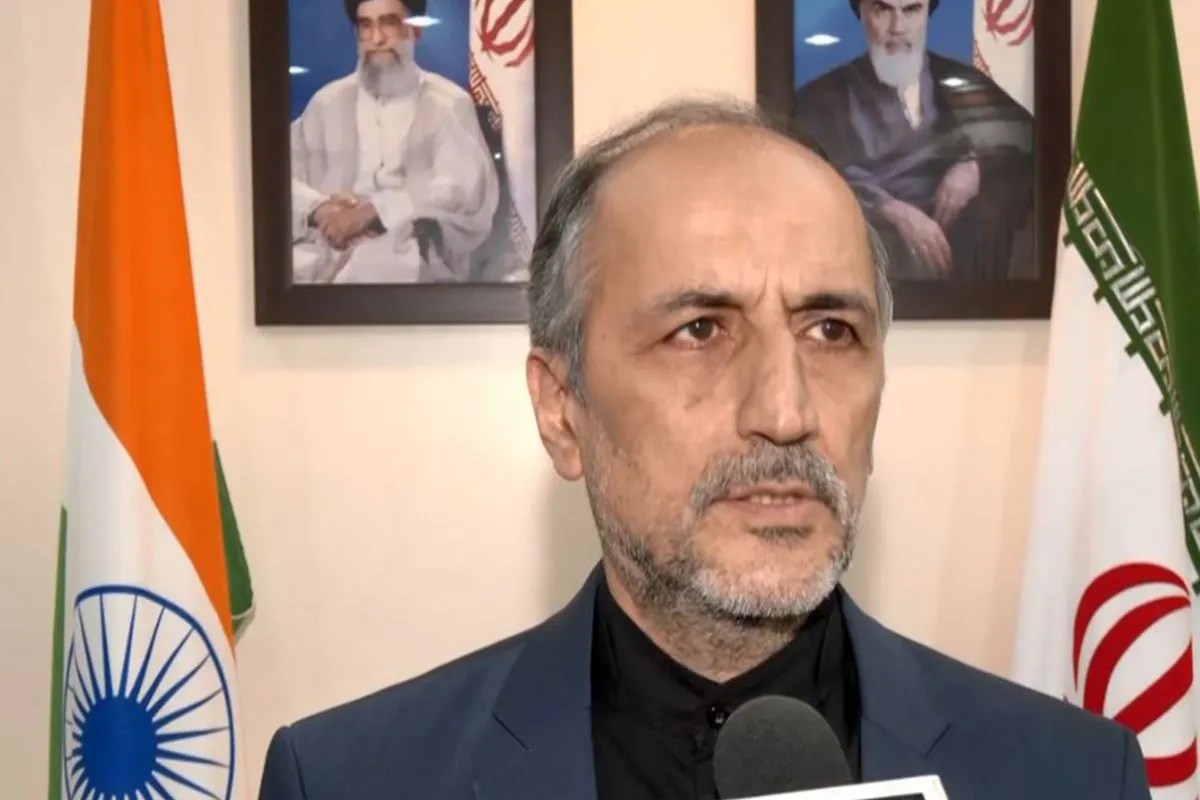
The shadow play between Washington and Tehran has reached a familiar, bitter stalemate. After months of back-channel whispers and stalled negotiations, Iran is officially signaling that its patience with Western diplomacy has evaporated. This isn’t just another diplomatic hiccup; it is a fundamental shift in Persian strategy. By publicly calling on India, China, and Russia to exert their influence, Tehran is attempting to dismantle the traditional Western monopoly on Middle Eastern mediation. The message is clear: if the United States won't provide the relief Iran demands, the Islamic Republic will tether its future to the rising powers of the East.
The Collapse of the American Track
For decades, the road to Iranian stability ran through Washington. Whether through the 2015 JCPOA or the subsequent years of "maximum pressure" and "re-engagement," the underlying assumption was that only a deal with the U.S. could fix Iran’s crippled economy. That assumption is dead. Recent rounds of quiet talks in Oman and elsewhere have failed to produce a breakthrough on sanctions relief or uranium enrichment limits. Tehran now views the U.S. political climate as too volatile to trust, fearing that any deal made today would be torn up by a future administration.
This distrust has forced the hand of Iranian leadership. They are no longer waiting for a change of heart in the White House. Instead, they are leaning into a "Look to the East" policy that is more than a rhetorical flourish. It is a survival mechanism. By inviting New Delhi, Beijing, and Moscow to take a more active role, Iran is trying to create a multi-polar shield against Western economic isolation.
Why India and China Hold the Keys
The inclusion of India in this diplomatic plea is particularly telling. While China is Iran’s largest oil buyer and Russia is its primary military collaborator, India represents a critical middle ground. New Delhi has historically balanced its relationship with Washington while maintaining a strategic foothold in Iran via the Chabahar Port. Tehran knows that if India can be convinced to ignore or bypass certain U.S. restrictions, the entire Western sanctions regime begins to leak.
India needs energy security and a route to Central Asia that bypasses Pakistan. Iran provides both. However, New Delhi’s growing proximity to the U.S. through the Quad and various technology partnerships makes this a delicate tightrope walk. Tehran is essentially testing whether India’s commitment to "strategic autonomy" is real or if it will ultimately bow to American pressure.
China, meanwhile, plays the role of the economic heavyweight. The 25-year cooperation agreement between Beijing and Tehran remains the backbone of Iran’s long-term planning. But China is often a cautious actor. It prefers to buy cheap oil and wait for the dust to settle rather than actively confronting U.S. policy. Tehran’s latest call for China to use its "influence" is an attempt to push Beijing from being a silent partner to an active diplomatic broker.
Russia and the Security Calculus
The relationship with Moscow is different. It is forged in the fires of the Syrian conflict and deepened by the ongoing war in Ukraine. Russia is no longer just a trading partner; it is a security guarantor. As Russia faces its own isolation from the West, its interests have aligned almost perfectly with Iran’s.
The Limits of Eastern Mediation
We must be realistic about what this "influence" actually looks like. While Russia and China can provide a diplomatic umbrella at the UN Security Council, they cannot unilaterally lift the primary and secondary sanctions that keep Western banks from touching Iranian money.
- Financial Hurdles: Even Chinese banks remain wary of U.S. Treasury penalties.
- Infrastructure Gaps: Shifting trade entirely to the East requires years of rail and port development that is currently incomplete.
- Competing Interests: India’s trade with the U.S. still dwarfs its trade with Iran, creating a natural ceiling for how far New Delhi will go.
The gamble is that the sheer collective weight of these three nations will eventually make the U.S. sanctions policy irrelevant. If the BRICS+ framework continues to expand and develop independent payment systems, the dollar’s role as a weapon of foreign policy will be significantly dulled.
The Internal Pressure Cooker
Inside Iran, the government is facing a restless population. The economy is suffering from runaway inflation and a currency that has seen better days. The "Look to the East" strategy is being sold to the public as the final solution to these woes. If the government fails to translate these diplomatic overtures into tangible economic improvements—cheaper goods, more jobs, and a stabilized rial—the domestic backlash could be severe.
Tehran is betting that the global shift toward a multipolar world will happen fast enough to save its economy. This isn't about ideology; it's about math. They are counting on the fact that the world’s appetite for energy and new trade routes will eventually outweigh the political desire to keep Iran in a box.
Redefining Regional Power
This shift also changes the math for regional rivals like Saudi Arabia and the UAE. If Iran successfully integrates into the economic orbits of China and India, the traditional security architecture of the Middle East becomes obsolete. We are seeing a move away from the "security for oil" deals that defined the last century. Instead, we are entering an era of "connectivity for survival."
Iran’s leadership believes the West is in decline. They see a fractured Europe and a distracted America. In their eyes, the future is being written in Mandarin, Hindi, and Russian. By demanding that these powers step up, Iran is effectively declaring that the era of the American-led "peace process" is over. They are looking for a new kind of peace—one that is transactional, multipolar, and indifferent to Western liberal norms.
The danger for Tehran is that it might be trading one form of dependence for another. Russia and China are not charities. Their support comes with strings attached, often involving deep discounts on natural resources and significant concessions on domestic infrastructure control. Iran is navigating a narrow corridor between Western pressure and Eastern opportunism.
The failure of the U.S. talks wasn't an end point; it was a catalyst. It accelerated a process that has been years in the making. As Tehran turns its back on the Potomac, it is betting everything on the Silk Road. This reorientation will define the next decade of Middle Eastern politics, forcing every other player in the region to decide which side of the new global divide they want to be on.
The move to involve India, China, and Russia is an admission that the old ways of doing business are broken. Whether these Eastern powers are willing or able to provide the lifelines Iran needs remains the most consequential question in global diplomacy today. Tehran has made its move. Now, the world watches to see if the East is ready to lead.