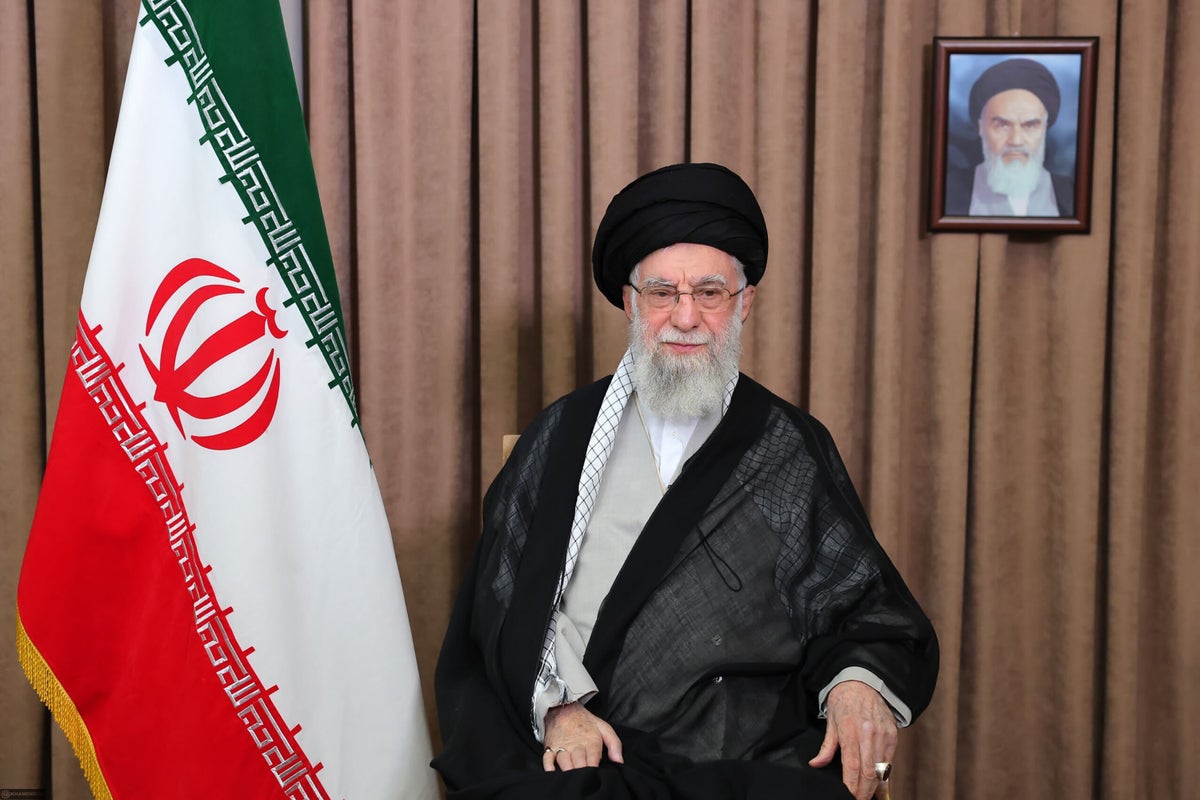
The removal of Ayatollah Ali Khamenei from the geopolitical chessboard has not merely triggered a localized celebration in the streets of Tehran; it has detonated the foundational myths of the 1979 Revolution. While early reports focus on the visceral imagery of fireworks in North Tehran and the distribution of sweets in the diaspora, the real story lies in the immediate, jagged fracture of the Iranian security apparatus. The strike, attributed to a sophisticated joint US-Israeli operation, did more than kill a man. It liquidated the sole arbiter of a system designed to prevent its own military from devouring its own politicians.
For decades, the Supreme Leader functioned as the ultimate heat sink for the regime’s internal frictions. He balanced the ideological purity of the Islamic Revolutionary Guard Corps (IRGC) against the pragmatic survival instincts of the clerical establishment. With that center of gravity gone, Iran is no longer a monolithic threat. It is a collection of heavily armed factions currently staring each other down over a vacant throne.
The Architecture of a Beheading
The success of the strike points to a catastrophic intelligence failure that suggests the regime was compromised from within. You do not hit a target of this magnitude without ground-level confirmation and a breakdown in the "ring of steel" traditionally surrounding the Rahbar. This wasn't just a triumph of satellite imagery or drone precision. It was a signal that the inner sanctum has been breached, likely by elements who realized that the Supreme Leader’s trajectory was leading the nation toward total economic and physical annihilation.
The IRGC now faces an existential choice. They can attempt to install a puppet successor through the Assembly of Experts, or they can dispense with the religious veneer entirely and move toward a direct military dictatorship. The latter is more likely. The IRGC controls the ports, the black-market oil trade, and the missile program. They have no interest in returning to the barracks or taking orders from a mid-level cleric with no revolutionary credentials.
Streets of Fire and Hope
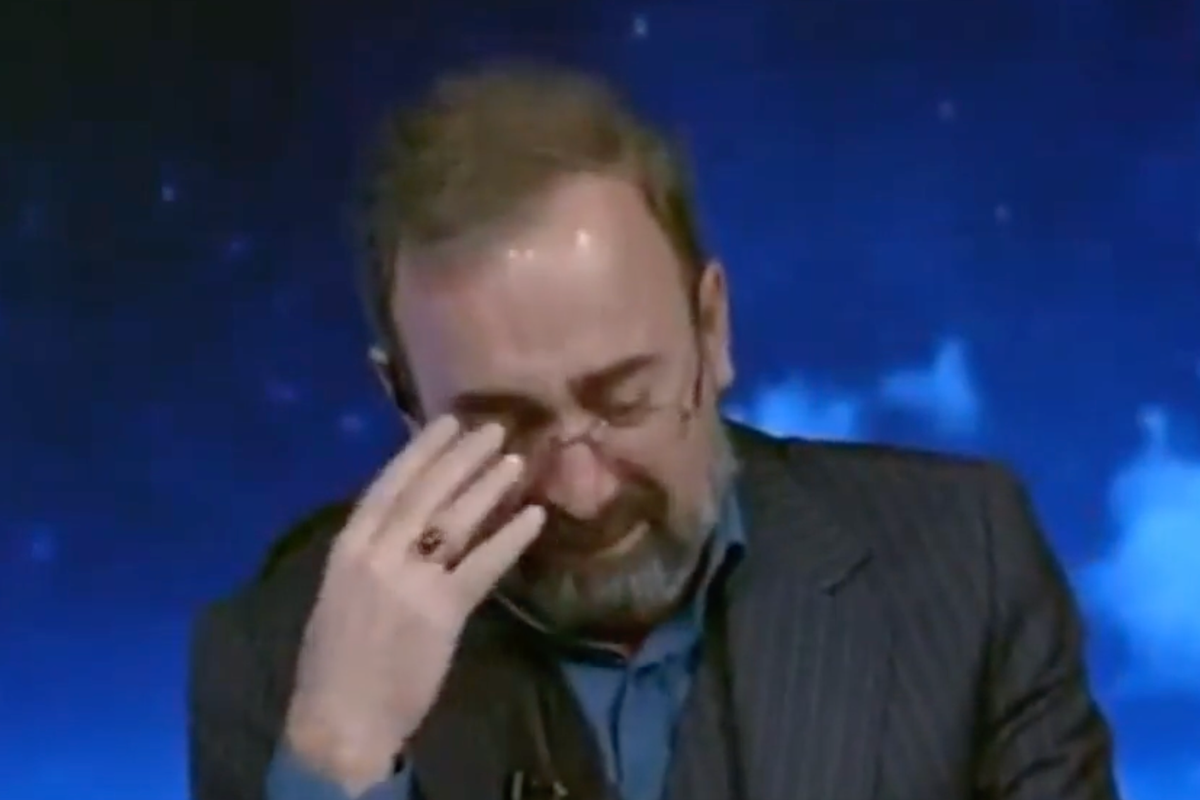
The celebrations observed in the wake of the news are not a monolith of pro-Western sentiment. They are an expression of profound relief. To the average Iranian under the age of 30, the Supreme Leader was not a holy figure; he was the face of a stagnant economy, a brutal morality police, and a series of foreign wars that drained the national treasury.
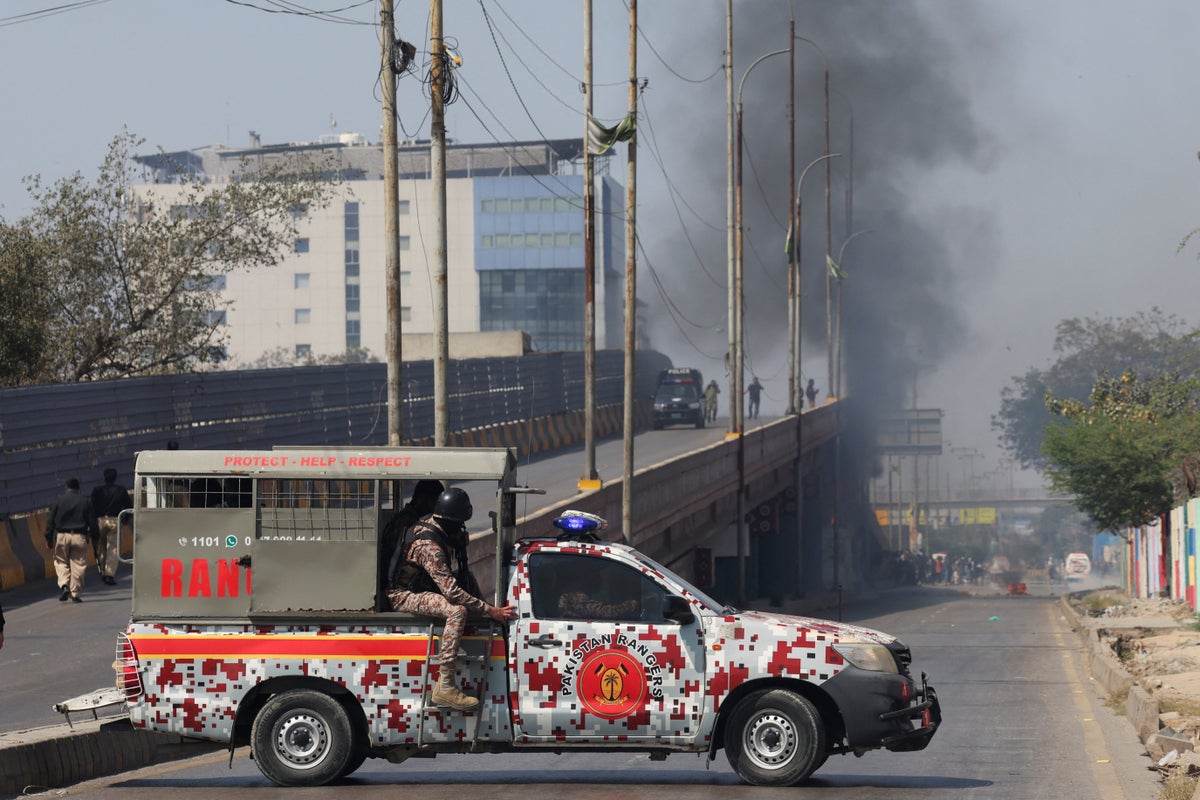
The spontaneity of these gatherings is their most dangerous attribute. Unlike the organized protests of 2009 or 2022, these crowds are not demanding specific reforms. They are dancing on the grave of an era. This creates a volatile environment for the security forces. If the Basij paramilitary opens fire on people who are celebrating, they risk a level of blowback that could turn a moment of joy into a full-scale civil war.
The Regional Domino Effect
In Beirut, Damascus, and Sana’a, the silence is deafening. The "Axis of Resistance" was built on a cult of personality and a direct line of credit to the Office of the Supreme Leader. Without a clear successor to authorize the massive transfers of cash and weaponry, groups like Hezbollah and the Houthis are suddenly orphaned.
Hezbollah, in particular, finds itself in a precarious position. Their legitimacy is tied to the concept of Wilayat al-Faqih—the guardianship of the Islamic jurist. If the jurist is dead and the seat is contested, the theological justification for their military operations evaporates. This creates a window of opportunity for Lebanese domestic rivals to challenge Hezbollah’s hegemony, but it also increases the risk of a desperate, preemptive strike against Israel to prove they are still relevant.
The Succession Crisis Nobody Prepared For
The Assembly of Experts is legally mandated to choose the next leader, but the list of candidates is underwhelming. Ebrahim Raisi is no longer in the picture, and the remaining options are either too old to project strength or too controversial to unify the factions. Mojtaba Khamenei, the son of the late leader, has long been rumored as a successor, but his appointment would confirm the very thing the 1979 Revolution claimed to destroy: a hereditary monarchy.
If the IRGC moves to block a civilian or purely clerical succession, we will see the "Pakistanization" of Iran. The country would maintain a formal government for international engagement while the real decisions are made in the shadowy boardrooms of the military elite.
Economic Implosion or Rebirth
The rial has been in a freefall for years, but the uncertainty of a power vacuum could render the currency virtually worthless within weeks. Private capital is already fleeing through any available loophole. However, if a transitional government emerges—one willing to freeze the nuclear program in exchange for the unfreezing of assets—Iran could see the most rapid economic recovery in modern history. The nation’s infrastructure is crumbling, but its human capital is world-class.
The West must resist the urge to declare victory. A wounded and leaderless IRGC is more unpredictable than a controlled one. There is a high probability of "rogue" commanders launching retaliatory strikes or seizing oil tankers in the Strait of Hormuz to assert their individual authority. The command-and-control structure is currently a series of broken links.
The Myth of the Monolith
The biggest mistake analysts make is treating the Iranian government as a single, rational actor. It is a court of many kings. Some want to see the country modernized and reintegrated into the global community. Others believe that only through a "holy war" can the revolution be preserved. With the Supreme Leader gone, the referee has left the building, and the players are starting to use their weapons.
The US-Israeli operation has achieved the "how," but the "what now" remains dangerously undefined. If the goal was to trigger a collapse, they have succeeded. But a collapse in a country of 85 million people, armed with ballistic missiles and a deep-seated grievance against foreign interference, is not a clean process.
The Shadow of the Past
History shows that when a long-standing autocrat falls without a clear heir, the initial euphoria is almost always followed by a period of extreme internal violence. The Jacobins followed the French Revolution; the Bolsheviks followed the Tsar. The Iranian people have shown they are ready for change, but the men with the guns are rarely willing to hand over the keys to the city just because people are dancing in the streets.
The IRGC's "Quds Force" is currently scrambled, attempting to secure assets abroad and ensure that their proxies don't defect or disintegrate. Inside the country, the intelligence services are likely conducting a bloody internal purge to find the "moles" who enabled the strike. Every official is currently a suspect.
We are entering a phase where the "known unknowns" dominate the landscape. We know the leader is dead. We know the people are tired. We do not know who holds the codes to the missile silos, or if those individuals feel they have anything left to lose. The fireworks in Tehran might be the light of a new dawn, or they might be the sparks preceding a much larger explosion.
Watch the borders and watch the IRGC’s communication channels. The next 72 hours will determine if Iran becomes a new democratic hope or a much larger, nuclear-capable version of Libya. The celebration is a placeholder for a future that is currently being fought for in the hallways of power where the cameras cannot reach. Don't look at the crowds; look at the shadows behind them.