The failure of recent high-level diplomatic attempts in Islamabad to bridge the divide between Tehran and Washington signals a transition from managed friction to unhedged escalation. The Iranian leadership’s blunt warning to the incoming Trump administration is not merely a rhetorical flourish but a calibrated signal of its perceived "resistance threshold." This threshold represents the point where the cost of further economic concessions exceeds the existential risk of direct military confrontation. To understand the current impasse, one must analyze the structural mechanics of Iranian foreign policy, the failure of third-party mediation, and the shifting geometry of Middle Eastern power dynamics.
The Triad of Iranian Strategic Signaling
Iran’s posture toward the United States rests on three distinct analytical pillars. These pillars dictate how Tehran responds to "Maximum Pressure" and why diplomatic overtures via intermediaries like Pakistan often fail to produce actionable results. In other developments, read about: The Shadow Architects Who Define Our Safety.
- Asymmetric Attrition Capacity: Iran operates on the logic that it can endure higher levels of economic pain than the United States can endure regional instability. This is a cost-function calculation. While U.S. sanctions target Iran’s GDP and currency liquidity, Iran’s counter-moves target the security of global energy transit and the stability of U.S. regional partners.
- The Sovereignty Redline: For the Iranian clerical and military establishment, the 2015 JCPOA (Joint Comprehensive Plan of Action) served as a benchmark. Any negotiation that demands concessions beyond the scope of that original agreement is viewed as a systemic threat to the regime’s survival.
- Proxy Synchronization: Iran’s warning to Trump is backed by its "Axis of Resistance." This network allows Tehran to externalize conflict, ensuring that any "fight back" occurs on multiple fronts—Lebanon, Yemen, Iraq, and Syria—rather than solely within Iranian borders.
The Pakistani Mediation Bottleneck
The collapse of talks in Pakistan was predictable when viewed through the lens of incentive structures. Pakistan’s role as a mediator is complicated by its own internal economic dependencies and its precarious relationship with both Washington and Riyadh. When Tehran issues a warning from Pakistani soil, it serves a dual purpose: it demonstrates that Iran remains regionally integrated despite Western efforts to isolate it, and it signals to the incoming U.S. administration that the "neighborhood" is not unified against them.
The failure of these talks stems from a fundamental mismatch in diplomatic currency. The U.S. seeks "behavioral change"—a vague metric that Iranian hardliners interpret as a demand for total capitulation. Conversely, Iran seeks "sanctions relief," which the U.S. political system is structurally unable to guarantee in a durable way, given the history of executive order reversals. This creates a "Credibility Gap" that no amount of third-party mediation can bridge. BBC News has analyzed this important topic in extensive detail.
The Cost Function of Maximum Pressure 2.0
If the incoming Trump administration returns to a policy of intensified economic isolation, the Iranian response will likely deviate from the 2017–2020 cycle. During that period, Iran engaged in "Strategic Patience" for nearly a year before beginning its step-by-step withdrawal from nuclear commitments. The current "fight back" rhetoric suggests a shift to "Simultaneous Escalation."
Nuclear Breakout Acceleration
The most potent variable in Iran's arsenal is the acceleration of uranium enrichment. By moving closer to weapons-grade levels ($90%$ U-235), Tehran forces a binary choice upon Washington: accept a nuclear-armed Iran or initiate a kinetic strike. This is a classic game-theory application of "The Madman Theory," where Iran signals a willingness to take the ultimate risk to deter an conventional economic or military strangulation.
The Maritime Chokepoint Variable
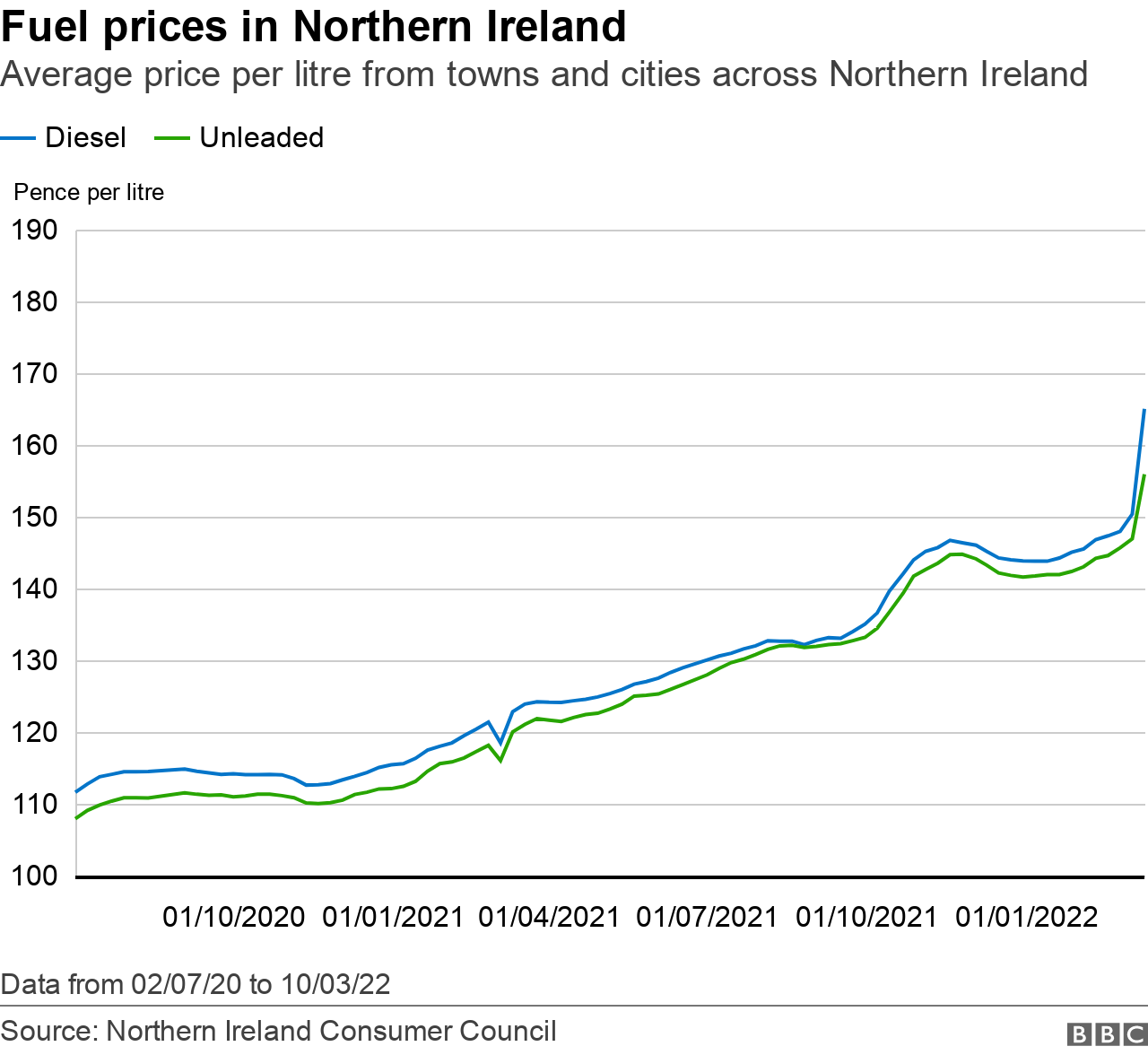
The Strait of Hormuz remains the primary pressure point for global energy markets. Iran’s warning implies that if it cannot export its oil, the security of other regional exports cannot be guaranteed. A $10%$ disruption in oil flow through the Strait can lead to a disproportionate spike in global Brent crude prices, creating an "Inflationary Tax" on the U.S. voter—a consequence that any U.S. administration is desperate to avoid.
Structural Constraints on U.S. Policy
Washington’s ability to "win" a confrontation with Iran is limited by three geopolitical bottlenecks:
- Regional Fatigue: U.S. allies in the Gulf, specifically Saudi Arabia and the UAE, have shifted toward a policy of de-escalation with Tehran. They are no longer willing to serve as the primary battleground for a U.S.-Iran conflict.
- The China-Russia Pivot: Iran is no longer isolated in the traditional sense. Its entry into the BRICS+ framework and the Shanghai Cooperation Organisation (SCO) provides a degree of diplomatic and economic cushioning. China’s continued purchase of Iranian oil, albeit at a discount, ensures that the Iranian economy maintains a floor, preventing the total collapse required for "Maximum Pressure" to succeed.
- Domestic Polarization: The lack of a bipartisan consensus on Iran policy means that any deal or threat made by one administration is viewed as temporary by Tehran. This lack of permanence undermines the "deterrence" that sanctions are intended to build.
Defining the Resistance Threshold
The "blunt warning" issued after the Pakistan talks indicates that Iran has recalibrated its Resistance Threshold. In previous years, the goal was to survive the administration. The new stance suggests that survival is no longer enough; Iran intends to increase the "Entry Price" for any new U.S. intervention.
This involves:
- Increasing the complexity of its ballistic and cruise missile batteries.
- Formalizing defense treaties or deepened intelligence sharing with Moscow.
- Expanding the footprint of its drone technology exports, which provides both revenue and real-world testing data.
The Logistics of Conflict Escalation
Should the verbal warnings transition into kinetic reality, the escalation ladder would likely follow a predictable but devastating sequence. It would not begin with a formal declaration but with a series of "Gray Zone" activities—cyberattacks on critical infrastructure, mysterious tanker disruptions, and intensified proxy skirmishes.
The U.S. response to such activities is historically hampered by the difficulty of attribution. If an Iranian-made drone launched by a proxy hits a U.S. asset, does the U.S. strike the launch site or Tehran? The ambiguity is the weapon. Iran’s warning to Trump is a signal that they are prepared to clarify this ambiguity by taking direct responsibility for their defense, thereby removing the "Proxy Buffer" and forcing the U.S. into a high-stakes direct confrontation.
The Geopolitical Chessboard in 2026
The world in 2026 is vastly different from 2016. The global supply chain is more fragmented, and the influence of the "Global South" has matured. Iran’s strategy is to position itself as a central node in this emerging non-Western architecture. By hardening its stance now, Tehran is betting that the Trump administration will find a world less receptive to unilateral American mandates.
The warning issued in Pakistan is the opening move in a multi-year sequence. It is designed to test the resolve of the U.S. national security apparatus before the new administration even takes office. It is an attempt to define the "Rules of Engagement" early, making it clear that the "Maximum Pressure" of the past will be met with "Maximum Resistance" in the future.
The strategic play for the United States is no longer about finding a way to "defeat" Iran through sanctions alone. The economic tool has reached the point of diminishing returns. The move now is to decide whether to accept a "Cold Peace"—characterized by high-level containment and mutual suspicion—or to prepare for a "Hot Conflict" that would inevitably draw in the broader Middle East and disrupt the global economic recovery.
Tehran has already made its choice: it has signaled that it prefers the risks of conflict over the certainty of slow economic strangulation. The burden of the next move now rests entirely on Washington’s ability to balance its desire for regional hegemony with the reality of a multi-polar world where the cost of enforcement has become prohibitively high.