The upcoming China International Supply Chain Expo (CISCE) this June is no longer just a trade show. It is a high-stakes stress test for the concept of "decoupling." Despite years of aggressive rhetoric from Washington and a tightening web of export controls, American corporations are increasing their presence at this state-backed event. This surge in participation, particularly with the debut of a dedicated artificial intelligence section, signals a quiet but firm rebellion by the private sector against the geopolitical mandate to exit the Chinese market.
American firms are not flocking to Beijing because they are naive about the risks. They are going because the math of global manufacturing remains stubborn. The global production line is a nervous system, not a set of Lego bricks that can be pulled apart and reassembled in a weekend. As the expo prepares to host a larger contingent of U.S. players than in previous years, the narrative of a clean break between the world’s two largest economies is falling apart under the weight of logistical and fiscal reality.
The Artificial Intelligence Section is a Calculated Risk
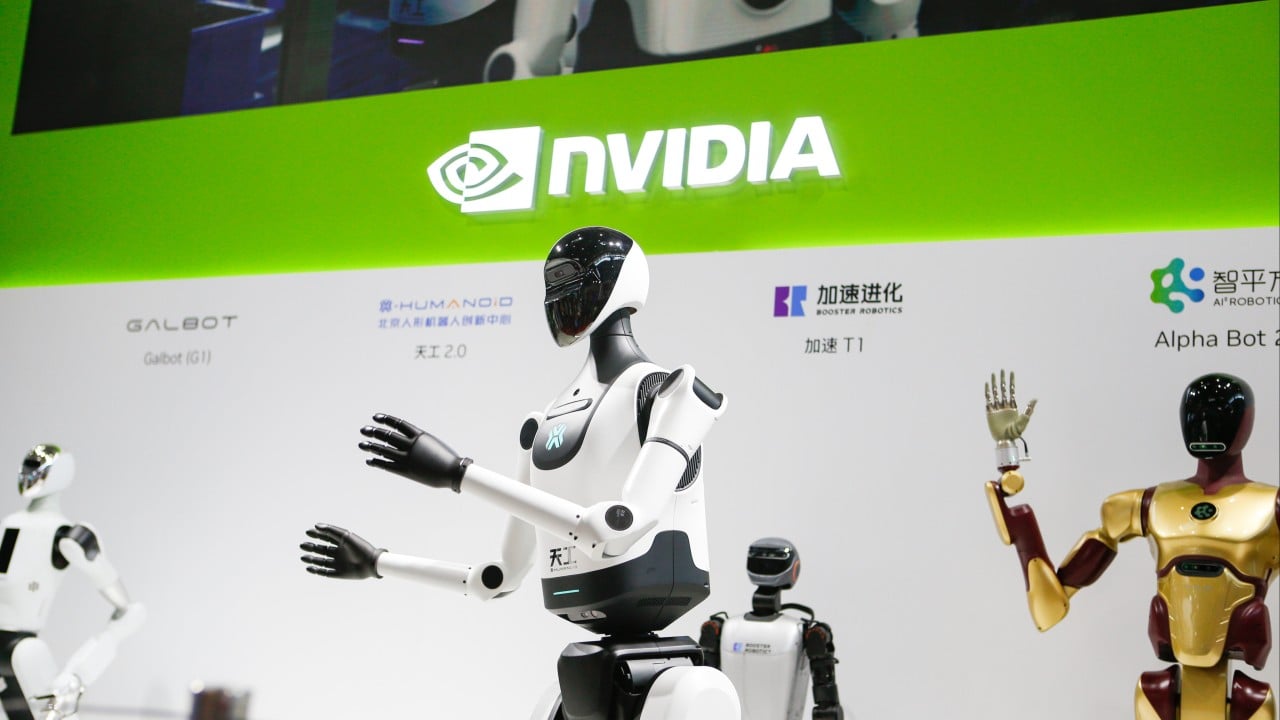
The most significant shift in this year’s expo is the introduction of a section specifically for artificial intelligence. To a casual observer, this looks like a provocation. The U.S. Department of Commerce has spent the last two years placing Chinese AI firms on entity lists and restricting the sale of advanced chips. Yet, American tech giants are lining up to occupy floor space.
The reason is simple. AI is not just about the chips; it is about the data and the hardware integration.
China remains the world’s primary laboratory for industrial AI application. While the U.S. leads in Large Language Models and generative software, China dominates the "AI of Things"—the sensors, smart factories, and automated logistics systems that actually move physical goods. For an American company, skipping this section means losing sight of the very infrastructure that will define the next decade of manufacturing. They are trading the comfort of political alignment for the necessity of technical relevance.
Hardware Dependency Cannot Be Legislated Away
You cannot build a sophisticated drone, an electric vehicle, or a high-end server without a supply chain that touches a dozen Chinese provinces. Policy experts call this "derisking," but on the factory floor, it looks like a shell game. Many companies that claim to have moved production to Vietnam or Mexico are simply assembling Chinese-made components in a different zip code to avoid tariffs.
By attending the CISCE, U.S. firms are acknowledging that the "middle of the chain" is still firmly anchored in China. They are there to secure their spots in the queue. They are there to ensure that when the next shortage hits, their contracts are the ones honored.
Why the June Timeline Matters
Holding this expo in June is a strategic choice by the China Council for the Promotion of International Trade (CCPIT). It places the event right in the middle of a pivotal election year in the United States. While candidates from both parties vie to see who can promise the harshest trade barriers, the corporate world is moving in the opposite direction.
This is a defensive maneuver. Business leaders understand that the window for stable trade may be closing, or at least narrowing. Participation in June allows these firms to lock in partnerships and visibility before the potential storm of 2025. It is a hedge against uncertainty. If the political climate worsens, having a deep, direct relationship with suppliers is the only way to navigate the coming turbulence.
The Myth of the Easy Exit
The "China Plus One" strategy was supposed to be the savior of Western industry. The idea was to keep China as a base but build a mirror image of that capacity elsewhere. The reality has been a logistical nightmare.
- Infrastructure Gaps: Ports in Southeast Asia are struggling to handle the sudden influx of volume.
- Labor Specialization: There is no substitute for the sheer density of skilled industrial engineers found in the Pearl River Delta.
- Energy Costs: While China invests heavily in renewables to power its grids, many alternative hubs are still plagued by brownouts and high electricity prices.
American firms at the expo are looking for ways to optimize their existing China footprints rather than liquidate them. They are searching for efficiency gains through the very AI and green technology sections being promoted at the event.
The Green Energy Paradox
Another major focus of the expo is the "Green Power" chain. This is where the friction between climate goals and national security becomes most visible. The U.S. wants a green transition, but China controls roughly 80% of the global supply chain for solar components and a massive share of the lithium-ion battery market.
American automotive and energy companies are in a bind. If they follow the political mandate to avoid Chinese suppliers, they fail to meet their carbon reduction targets and lose price competitiveness. If they embrace them, they face scrutiny from regulators. The expo serves as a neutral ground where these companies can negotiate the "clean" sourcing of materials that are anything but politically clean.
Sovereignty Versus the Bottom Line
The tension at the heart of the CISCE is the struggle for sovereignty. Governments want to control where technology is made and who has access to it. Corporations want to control their margins. For a veteran analyst, the current trend is reminiscent of the late 1990s, but with the roles reversed. Back then, the West was trying to integrate China into the global system to change it. Today, the West is trying to extract itself, only to find the roots go much deeper than anyone realized.
We are seeing the emergence of a "Two-Track" supply chain. Companies are building one version of their product for the Chinese and emerging markets using local tech, and another version for the West. This is expensive. It is redundant. But for many U.S. firms, it is the only way to survive.
The Hidden Cost of Compliance
Every time a new export restriction is announced, the cost of doing business for an American firm in China rises. They have to hire armies of compliance lawyers and auditors. They have to vet every sub-supplier down to the third and fourth tier. The expo is a shortcut. It provides a centralized location to conduct the kind of due diligence that would otherwise take months of travel and back-channel communication.
The Expo as a Diplomatic Backchannel
In an era where formal diplomatic communication is often strained or performative, trade shows like the CISCE act as a vital pressure valve. When CEOs meet with provincial governors and trade officials on the expo floor, they are doing the work that ambassadors used to do. They are communicating the needs of the global market directly to the people who run the world’s workshops.
This is not "business as usual." It is business as a form of survivalist diplomacy.
The increase in American participation should be read as a signal to Washington. The message is that the private sector is not ready to pay the price of a total rupture. They are willing to navigate the minefield of "national security concerns" if it means they can keep their assembly lines moving.
The AI Frontier and the Future of Trade
As the expo approaches, all eyes will be on the AI section. This is where the most significant "leakage" of ideas and standards will happen. If the U.S. and China develop entirely different AI standards for logistics and manufacturing, global trade will become significantly more expensive and less efficient.
The American firms attending are betting that they can help shape those standards from the inside. They are betting that being in the room is better than being on the outside looking in.
The supply chain is no longer just about moving boxes from Point A to Point B. It is about who owns the intelligence that directs those boxes. By showing up in Beijing this June, American companies are making it clear that they intend to be part of that intelligence network, regardless of the political headwinds.
Assess your own logistics redundancy by mapping every Tier-2 supplier in your network before the June expo reveals how much of the "new" supply chain still relies on the old guard.