The "good tsar" myth in Russia is finally hitting a wall. For decades, the social contract was simple: stay out of politics, and you can live your life. But as 2026 rolls on, that deal is expiring. What's catching everyone off guard isn't the usual shouting from exiled dissidents. It's the sudden, sharp warnings coming from the very people who usually spend their days debating lip oils and luxury travel.
Russian celebrity influencers are starting to talk, and they’re using a very specific, terrifying metaphor. They say the Russian people are a "coiled spring." And they're telling Vladimir Putin that if he doesn't loosen the grip, that spring is going to snap.
The Victoria Bonya Moment
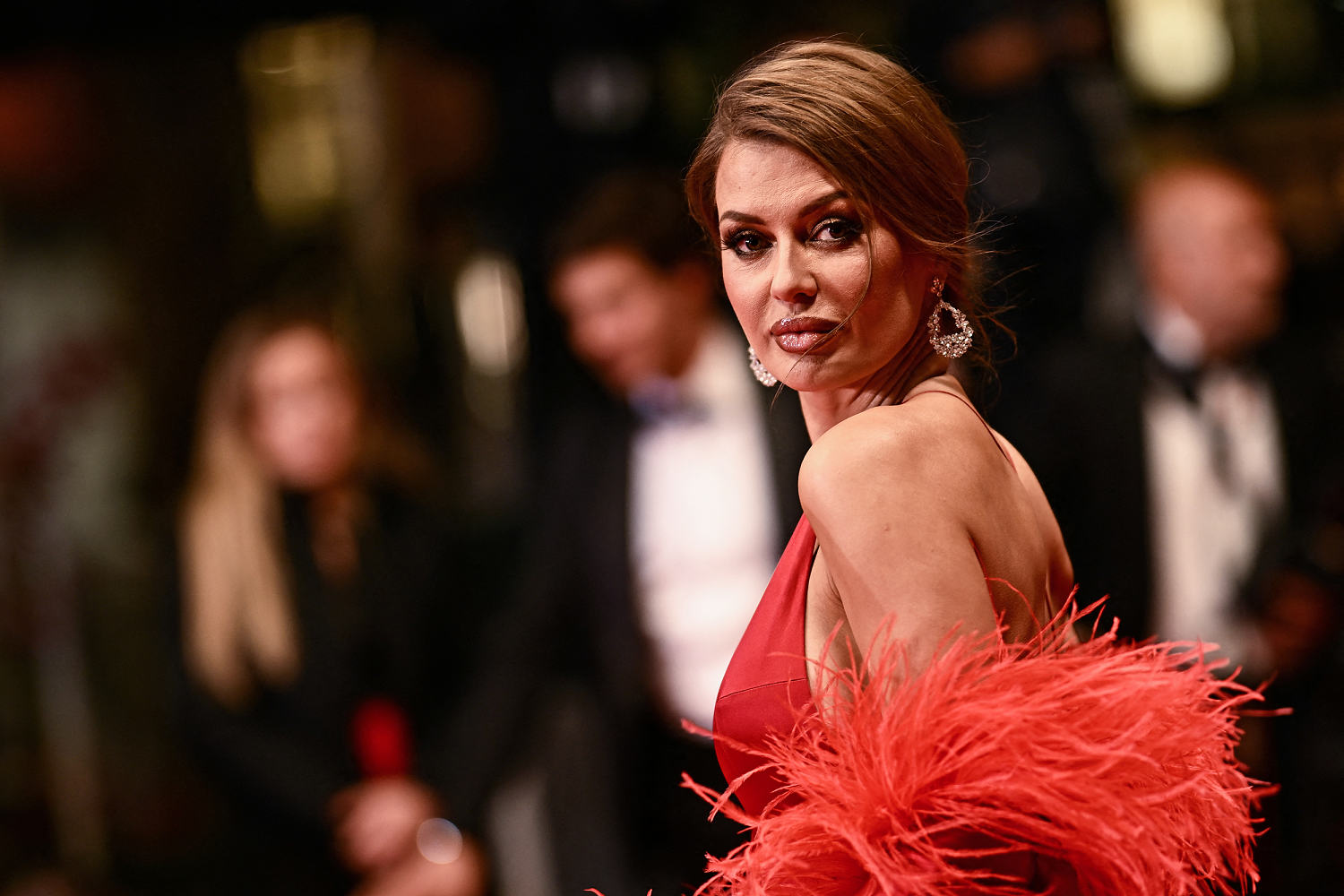
Victoria Bonya isn't your typical revolutionary. She’s a reality TV veteran with 13 million followers who usually tunes in for beauty advice. But recently, she bypassed the usual filters and addressed Putin directly in a video that racked up over 20 million views in days.
Her message was blunt. "People are afraid of you," she said. She wasn't just talking about the average citizen. She included bloggers, artists, and even regional governors. Her argument is that the Kremlin is trapped in an echo chamber where nobody dares to tell the boss the truth. While the state media paints a picture of a unified, resilient nation, Bonya describes a population "squeezed" to its limit by internet blackouts, rising prices, and environmental disasters.
Why This Hits Differently
When a political activist speaks, the Kremlin can easily dismiss them as a Western puppet. It’s a tired script. But when a lifestyle influencer—someone who has spent years being carefully apolitical—suddenly sounds the alarm, the state doesn't know how to react.
These creators reach an audience that doesn't watch state-run evening news. They talk to young professionals, stay-at-home parents, and small business owners. When Aiza, another influencer with millions of fans, tells her followers that Russia suffers from "dead journalism" and "dead humor" because "jokes are harshly punished," she’s confirming a reality her audience already feels in their bones.
The strategy here is clever. Most of these critics aren't attacking Putin directly as a "villain." Instead, they use the old Russian trope: the leader is good, but his advisors are lying to him. By framing their criticism as a way to "help" the President see the truth, they're trying to create a shield against immediate arrest.
The Coiled Spring Theory
The "coiled spring" metaphor is more than just a catchy phrase. It’s a warning about the silence of the Russian public. In the West, we often mistake silence for support or apathy. Bonya and others are arguing that the silence is actually stored energy—tension that builds up every time a popular app is blocked or a local flood is ignored by Moscow.
Look at the numbers. Putin’s approval ratings, even by state-run pollsters like VCIOM, have recently dipped to around 67%. That’s their lowest point since the 2022 invasion. While that might look high by Western standards, in an autocracy, it’s a red flag. It suggests the "unspoken" support is evaporating.
The issues these influencers are highlighting aren't always about the war. They’re talking about:
- Internet Freedom: Sudden shutdowns of mobile data and the throttling of YouTube and Telegram.
- Economic Reality: Rising taxes and the "squeeze" on small businesses that can't cope with inflation.
- Local Failures: Massive flooding in places like Dagestan and pollution on the Black Sea that the central government seems to ignore.
The Kremlin's Clumsy Response
Usually, the Russian state crushes dissent instantly. They send the police, they hand out "discrediting the army" charges, and they move on. But with these influencers, they’re hesitant.
Dmitry Peskov, the Kremlin's spokesperson, actually acknowledged Bonya's video. He said they’d seen it and that "work was under way" to fix the problems she mentioned. It’s a bizarre concession. It shows the government knows it can't just arrest every celebrity with 10 million followers without risking the very "snap" those celebrities are warning about.
But the tolerance only goes so far. While Bonya (who lives in Monaco) and Aiza (who stays in Bali) have a layer of safety, others aren't so lucky. We’re seeing a simultaneous crackdown on "Z-bloggers"—the ultra-nationalist war reporters who were once the Kremlin’s loudest cheerleaders. When even the people who want the war to succeed start complaining about corruption and incompetence, the "coiled spring" starts to vibrate.
Breaking the Silence
The real shift here isn't that people have suddenly changed their minds. It's that the cost of being quiet is finally outweighing the fear of speaking up. For years, the Russian elite and the influencer class stayed in their lane. They got rich, they traveled, and they ignored the "special operation."
Now, the "operation" is coming for their lifestyle. It’s taking away their internet, their luxury goods, and their sense of stability. When a blogger who usually posts about skincare starts crying on camera because "the people are afraid," it breaks the illusion of normalcy.
You can't run a country on fear forever if you can't also provide a comfortable life. The influencers are basically telling Putin that the "comfort" part of the deal is gone. All that’s left is the fear, and as the spring gets tighter, fear eventually turns into something else entirely.
If you’re watching Russia from the outside, don't look for a massive protest in Red Square tomorrow. Look at the comment sections of beauty bloggers. Look at how many people are hitting the "like" button on videos that dare to say the Emperor is being lied to. The pressure is building in the one place the Kremlin didn't think to guard: the lifestyle feed.
Keep an eye on these digital "canaries in the coal mine." They are the first to feel the air getting thin, and right now, they’re screaming for oxygen.