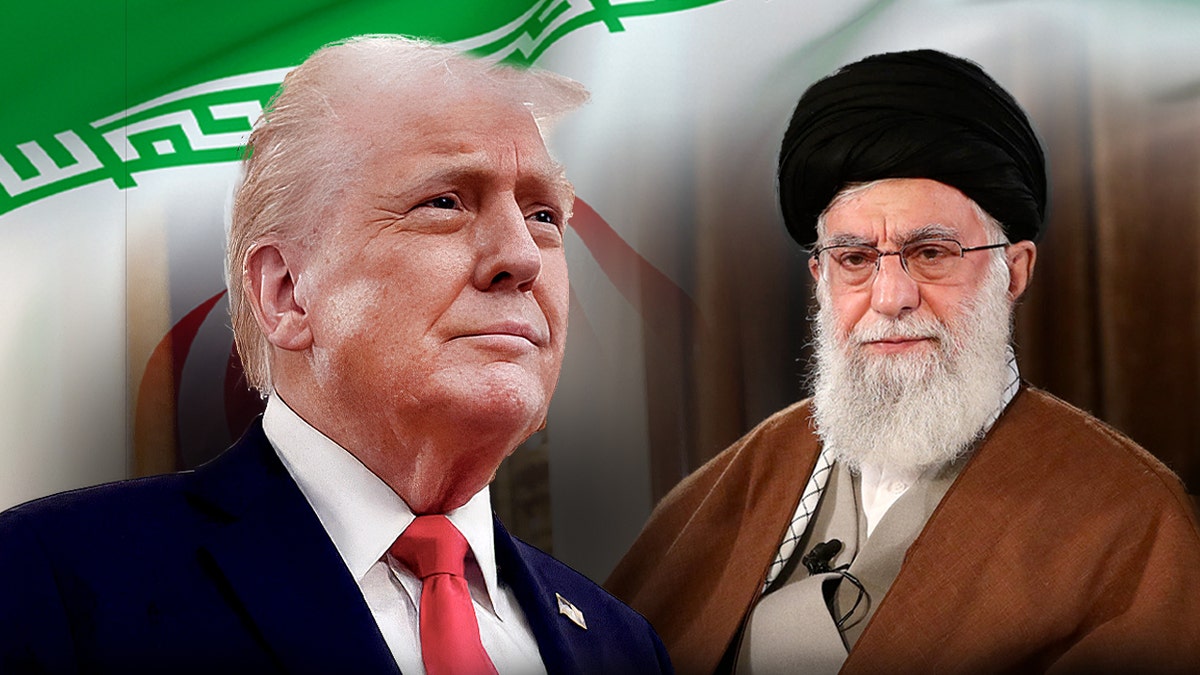
Donald Trump just blinked, but he is calling it a victory. By extending the ceasefire with Iran indefinitely on Tuesday, the White House avoided a scheduled return to total war that neither side’s overextended military is currently prepared to win. While the official line from Washington emphasizes "giving peace a chance" at the request of Pakistani mediators, the reality on the water tells a far more desperate story.
The two-week truce was set to expire at midnight. Instead of the "fire and fury" rhetoric that defined the early weeks of the 2026 conflict, the administration opted for a quiet, open-ended extension. This move comes as oil markets hover near $100 a barrel and the Strait of Hormuz remains a graveyard of scorched tankers.
The Logistics of a Failed Ultimatum
The President’s "maximum pressure" strategy has hit a physical wall. While the U.S. Navy maintains a rigorous blockade of Iranian ports, interdicting vessels as far away as the Bay of Bengal, the Iranian military has not folded. On the contrary, hardline elements in Tehran spent the final hours of the original ceasefire parading ballistic missiles through the streets.
The standoff is no longer just about nuclear centrifuges or regional influence. It is about a fundamental miscalculation in how quickly a modern state can be brought to its knees through air power and naval isolation. Trump’s demand for a "unified proposal" from Iran assumes a level of cohesion in Tehran that currently does not exist. The Iranian negotiating team is fractured, caught between pragmatists at the foreign ministry and the Revolutionary Guard leaders who view any concession as a death warrant.
The Pakistan Pivot
Islamabad has emerged as the unlikely center of the geopolitical universe. The proposed peace talks in the Pakistani capital were supposed to be the "final chance" for the Iranian regime. However, the talks fell into limbo when the Iranian delegation failed to confirm their attendance.
Pakistan’s role is not merely that of a neutral letter-carrier. With its own economy reeling from the regional instability and a shared border with Iran, Islamabad is terrified of a full-scale Iranian collapse that would send millions of refugees eastward. By urging Trump to extend the deadline, Pakistan provided the White House with a necessary exit ramp from a self-imposed deadline that would have forced a massive, and potentially catastrophic, escalation.
A Blockade Without a Breakthrough
The White House insists the naval blockade will remain in place until a deal is signed. This is the "stick" in the current equation, yet its effectiveness is reaching a point of diminishing returns.
- Global Supply Chains: The International Energy Agency has labeled this the largest supply disruption in history.
- Regional Stability: Countries like the UAE and Bahrain are facing "grocery supply emergencies" as 70% of their food imports are typically routed through the now-contested waters.
- Military Overstretch: Maintaining a total blockade requires a massive, constant presence that drains resources from other theaters.
The Iranian strategy is simple: wait. By refusing to show up in Islamabad, they are testing Trump’s appetite for a prolonged, expensive, and unpopular maritime war. They are betting that the global outcry over $120 oil will eventually force Washington to offer the very thing Trump has sworn off: unconditional sanctions relief.
The Internal Power Struggle in Tehran
The most overlooked factor in this extension is the internal chaos within the Iranian leadership. Following the high-profile assassinations of key figures earlier this year, power has become decentralized. General Vahidi, one of the few remaining figures with direct access to the upper echelons of the clerical establishment, is reportedly at odds with Parliament Speaker Ghalibaf over how much to concede.
Washington is demanding that Iran not only stop its nuclear program but also hand over its enriched uranium. Tehran sees this as a demand for unconditional surrender. Until the internal power struggle in Iran produces a clear winner, there is no one on the other side of the table with the authority to sign a meaningful piece of paper.
The Mirage of a Great Deal
Trump continues to claim he expects to "end up with a great deal." But the definition of "great" is shifting. In 2025, it meant a total dismantling of Iran’s regional proxies and missile program. Today, it seems to mean any arrangement that allows the Strait of Hormuz to reopen and stops the bleeding of the global economy.
The indefinite extension of the ceasefire is an admission that the military option has reached its limit of utility. It is a tactical pause disguised as a diplomatic masterstroke. For now, the missiles stay in their silos and the tankers stay at anchor, but the underlying tension remains as volatile as the crude oil trapped behind the blockade.
The clock hasn't stopped; the administration just stopped looking at it.