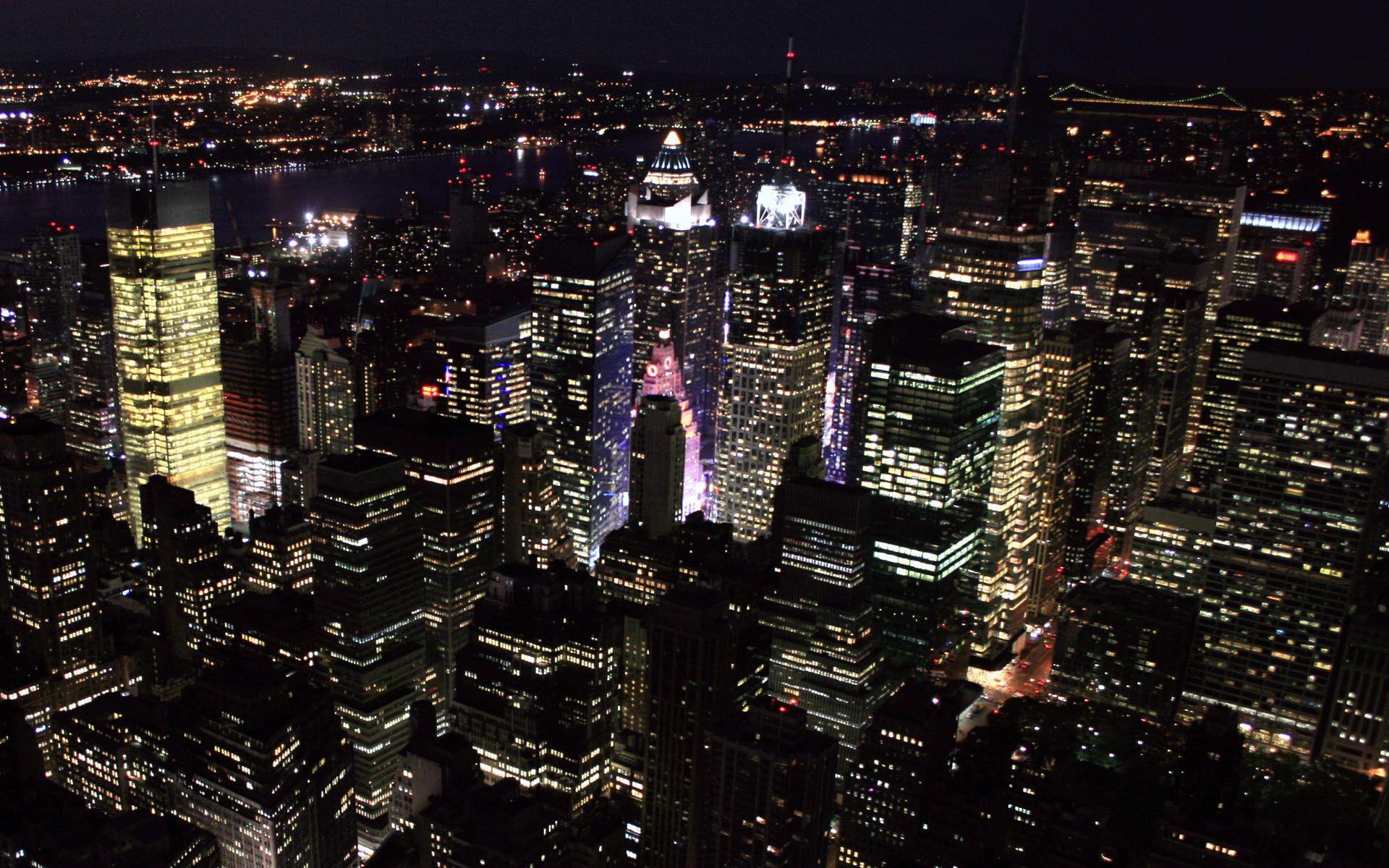
The humidity in Manhattan hasn’t quite turned into the heavy, wet blanket of August yet. It’s May. The air carries a scent of damp concrete and early blooms from the flower district, a fleeting sweetness that competes with the exhaust of idling taxis. On a Tuesday night, most people are focused on the commute home, eyes glued to phones, hearts set on a takeout container and a streaming service.
But then there is the light.
It isn't the blinding, corporate glare of Times Square that draws you in. It is the dim, amber glow of a basement theater entrance in Greenwich Village, or the sharp, neon strip above a repurposed warehouse in Brooklyn. Broadway belongs to the tourists and the high-budget spectacles of childhood nostalgia. Off-Broadway? That belongs to the seekers. It belongs to those of us who want to feel the floorboards vibrate under our feet.
In May, the stakes for these smaller stages reach a fever pitch. Awards season looms. The energy is frantic. Actors are performing as if their lives depend on it because, in the ecosystem of New York theater, they often do. To walk into an Off-Broadway house this month is to witness a collision of raw ambition and desperate intimacy.
You aren't just watching a play. You are breathing the same air as the tragedy.
The Weight of a Small Room
Consider the physical reality of a show like The Lonely Few at MCC Theater. You aren't sitting three blocks away from the stage in a balcony seat. You are in a dive bar. The story of a band in a small Kentucky town isn't just told; it is shouted, played, and sweated over in a space that dissolves the barrier between the audience and the performers. When the music starts, the bass thumps in your chest. You realize that the person sitting two feet away from you is crying, and you can’t tell if it’s because of the lyrics or because the room feels so much like a memory they tried to bury.
This is the power of the "limited run." It creates a scarcity of experience. Unlike a long-running Broadway staple that might play for a decade, these shows are ephemeral. They exist for a few weeks, a flash of brilliance, and then they vanish.
If you miss Staff Meal at Playwrights Horizons, you miss a surrealist meditation on the very act of being served, of being cared for, and of the apocalypse outside the restaurant doors. It is a puzzle box of a play. It demands you stay present. In a world of digital distractions, being trapped in a room with a story that refuses to be simple is a rare form of sanctuary.
Characters in the Dark
Imagine a woman named Sarah. She moved to Queens six months ago for a job that turned out to be more Excel spreadsheets than creative breakthroughs. She’s tired. She’s lonely. She considers going home to Ohio every other morning. But tonight, she has a ticket to Three Houses at the Signature Theatre.
As the lights go down, she sees characters grappling with the same isolation she feels—people haunted by their pasts, trying to find a sense of place in a world that feels increasingly fragmented. The music isn't a polished pop anthem; it’s a jagged, beautiful exploration of the human psyche. Sarah watches a performer struggle with a choice on stage, and suddenly, her own life feels less like a series of mistakes and more like a narrative in progress.
That is the hidden utility of the theater. It isn't just "entertainment." It’s a mirror.
May offers a staggering variety of these mirrors. At the Public Theater, What Became of Us explores the invisible threads between siblings and the weight of the immigrant experience. It’s a story about the distance between who we were and who we’ve become. For anyone who has ever felt like a stranger in their own family, it is a visceral, necessary gut-punch.
The Mechanics of the Unexpected
New York theater in May is a gamble. You might walk into the Atlantic Theater Company to see Table 17 and find yourself wrapped in the sophisticated, sharp-witted dance of an ex-couple meeting for dinner. The dialogue crackles. It’s the kind of conversation you wish you were brave enough to have with your own "one that got away."
Then there are the shows that defy easy categorization. Lykos Anthropos at the Daryl Roth Theatre takes the myth of the werewolf and turns it into a high-octane, immersive exploration of our own primal urges. It’s loud. It’s messy. It’s exactly the kind of thing that could never survive the sterile requirements of a massive commercial house.
Why does this matter?
Because the "Off-Broadway" label is a misnomer. It isn't about geography. It’s about a philosophy of risk. A show like Dark Noon at St. Ann’s Warehouse—a brutal, high-concept reimagining of the American West through the eyes of outsiders—doesn't care about being comfortable. It cares about being true. It uses sand, wood, and sheer physical endurance to dismantle the myths we tell ourselves about how this country was built.
Finding the Center
If you find yourself wandering toward Union Square, you might stumble upon N/A at the Mitzi E. Newhouse Theater. It’s a battle of wills between two powerful women in politics, representing the friction between idealism and the grinding gears of the establishment. The stakes are global, yet the drama is contained within the sharp, biting exchanges of two people who realize they need each other even as they fight to win.
Logic suggests that we should prefer the comfort of our couches. Economics suggests that a seventy-dollar ticket for a ninety-minute play is a luxury. But the heart suggests something else entirely.
We go because we are hungry for the unedited.
We go to see The Gathering or Jordans because we want to see what happens when talented people are allowed to be weird, angry, and profoundly hopeful all at once. We want to see the cracks in the armor.
In May, the city feels like it’s vibrating. The school year is ending, the heat is rising, and the theater season is reaching its crescendo. There is a sense that anything could happen. You could see a performance by an unknown actor that you’ll be talking about for the next twenty years. You could hear a line of dialogue that finally explains that nagging feeling you’ve had since January.
The shows are there, waiting in the shadows of the skyscrapers. They don’t have the massive billboards or the celebrity-studded red carpets of the Tonys, but they have the pulse of the city.
As the sun sets over the Hudson, casting long, orange shadows across the crosswalks, the doors to these small theaters swing open. The ushers start scanning tickets. The actors take their places in the wings, checking their props, breathing through the nerves.
You step inside. You find your seat. The house lights dim to a soft, expectant glow. For the next two hours, the rest of the world—the noise, the stress, the endless scroll of the news—simply ceases to exist. There is only the stage, the light, and the truth of being alive in this moment, together.
The curtain rises on another night in New York, and for the first time all day, you are exactly where you are supposed to be.