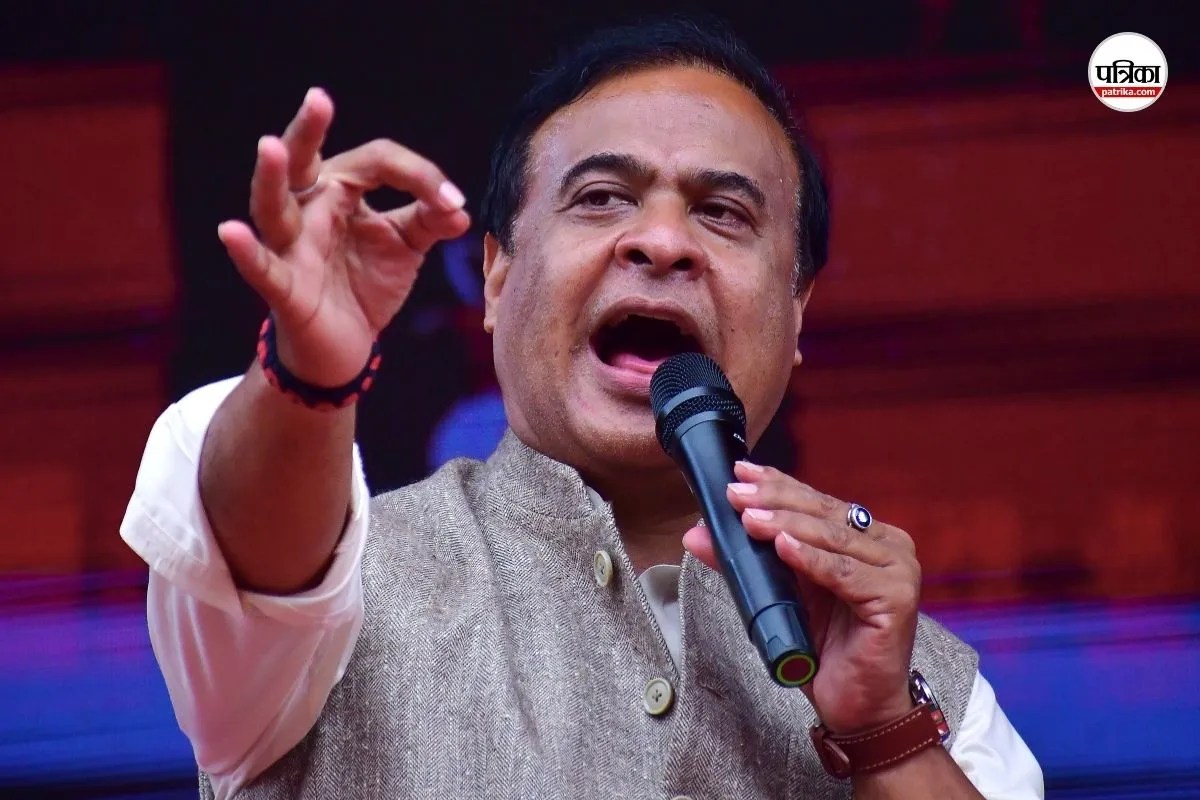
The diplomatic protest lodged by Bangladesh against Assam Chief Minister Himanta Biswa Sarma is a masterclass in performative outrage. Dhaka is angry. New Delhi is "monitoring." The media is hyperventilating about "strained ties."
Stop falling for it.
The conventional wisdom suggests that Sarma’s rhetoric on illegal migration and demographic shifts is a reckless wrecking ball swinging at the fragile glass house of Indo-Bangla relations. Pundits claim these comments jeopardize regional security and alienate a crucial ally. They are wrong. This friction isn't a bug in the system; it is a calculated feature of domestic survival for both sides of the border.
The Myth of the Fragile Ally
The "lazy consensus" among foreign policy analysts is that India must treat Bangladesh with kid gloves to prevent it from sliding into the orbit of other regional powers. This assumes Bangladesh acts on hurt feelings. It doesn't. Nations act on geography, energy needs, and trade deficits.
Bangladesh is India-locked. No amount of rhetorical fire from a Chief Minister in Guwahati changes the fact that Dhaka depends on Indian transit, electricity imports, and a massive consumer market. When the Bangladeshi foreign ministry summons an Indian High Commissioner, they aren't trying to change Sarma’s mind. They are signaling to their own domestic audience that they are "standing up" to the big brother next door.
I’ve watched these cycles for a decade. The script never changes:
- A leader in a border state makes a hardline comment about infiltration.
- Dhaka issues a stern note of protest.
- The Indian Ministry of External Affairs (MEA) provides a lukewarm, non-committal clarification.
- Business continues as usual.
If you think a speech about the "Miya" community is going to derail a multi-billion dollar railway project or a cross-border pipeline, you don't understand how cold, hard interests work.
Demographic Reality vs. Diplomatic Politeness
Critics argue that Sarma’s focus on the demographic shift in Assam is "unnecessary provocation." This is a sanitized way of saying "don't talk about things that make people uncomfortable."
The data doesn't care about your discomfort.
The 2011 Census—and every subsequent projection—confirms a massive shift in the religious and ethnic composition of Assam’s border districts. Ignoring this reality to maintain "diplomatic decorum" is a failed strategy that led to the social friction we see today. Sarma isn't creating the fire; he is pointing at the smoke that has been billowing since the 1970s.
By framing migration as a purely legal and security issue, Sarma is doing what the MEA cannot do: he is speaking to the visceral anxieties of his electorate. To expect a state leader to prioritize the sensibilities of a foreign capital over the existential concerns of his own voters is a fundamental misunderstanding of democratic incentives.
The "Internal Matter" Shield is Cracked
For years, India’s standard response to international criticism has been: "This is an internal matter."
However, when it comes to Assam and Bangladesh, there is no such thing as a purely internal matter. The border is a sieve. The economy is a shared ecosystem.
The mistake isn't Sarma speaking his mind. The mistake is the federal government’s inability to create a cohesive narrative that bridges state-level political reality with national-level diplomacy. We pretend these two worlds don't collide. They do. Every day.
Imagine a scenario where India stopped apologizing for its internal political discourse. Instead of the MEA cringing every time a border-state CM speaks, imagine if they leaned into it. "Yes, we have a migration problem. Yes, our regional leaders are concerned. Let’s talk about a work-permit system instead of pretending the border is closed."
But no. We prefer the dance of the "Official Protest."
Dhaka’s Double Game
We need to be brutally honest about why Bangladesh reacts so sharply. The current administration in Dhaka faces constant pressure from hardline Islamist elements who accuse the government of being a puppet of New Delhi.
Every time Himanta Biswa Sarma speaks, he gives the Bangladeshi government a golden opportunity to prove its "independence." By lodging a formal protest, they buy themselves domestic legitimacy. It’s a pressure-release valve.
They don't want Sarma to stop. If he stopped, they’d have to find something else to be outraged about to satisfy the critics at home. The indignation is a currency, and currently, the exchange rate is very favorable for Dhaka.
The Cost of Silence
What if Sarma followed the "expert" advice and kept quiet?
The issues wouldn't vanish. The illegal settlements would continue. The demographic anxiety would fester in the dark, likely exploding into communal violence rather than being channeled through political discourse.
Sunlight, even the harsh, blinding sunlight of Sarma’s rhetoric, is a disinfectant. It forces the issue of the National Register of Citizens (NRC) and the Citizenship Amendment Act (CAA) into the open. It forces a conversation about what the border actually means in the 21st century.
Stop Asking if the Comments are "Helpful"
The most common question in newsrooms is: "Are these comments helpful for Indo-Bangla ties?"
It’s the wrong question.
Foreign policy isn't a therapy session. It’s not about being "helpful" or "nice." It’s about managing friction. The friction between Assam’s indigenous interests and Bangladesh’s demographic overflow is permanent. You don't "fix" it with a better-worded press release.
You manage it by acknowledging that a Chief Minister’s first loyalty is to his state’s borders, not to the social calendar of the diplomatic corps in Delhi.
The outrage in Dhaka will fade. The High Commissioner will have a nice cup of tea. The trade trucks will keep crossing the Petrapole-Benapole border. And Himanta Biswa Sarma will keep winning elections because he understands something the "diplomatic experts" refuse to admit: You cannot build a stable foreign policy on a foundation of domestic denial.
The protest isn't a crisis. It’s a routine. Learn to tell the difference.
Stop treating every diplomatic ripple like a tsunami and start looking at the bedrock of regional power. India provides the security umbrella and the economic engine; Bangladesh provides the labor and the transit. That deal is too big to fail over a campaign speech.
The theater is for the masses. The business is for the masters.
Move on.