South Korean President Lee Jae-myung didn't mince words when he landed in New Delhi this week. He told a room full of expats and business leaders that economic ties between Seoul and New Delhi are, frankly, underperforming. It’s a blunt admission for a head of state, but he’s not wrong. Despite years of "Special Strategic Partnership" labels, the actual trade numbers haven't kept pace with the political rhetoric.
Lee is the first South Korean president to visit India in eight years. That’s a long time to leave a massive market on the back burner. But 2026 feels different. Between the ongoing Iran War and general chaos in global supply chains, Seoul has realized that relying on old trade routes and partners is a recipe for disaster. They’re here to fix the lopsided trade balance and double bilateral trade to $50 billion by 2030.
The naphtha crisis and why energy is the new glue
You might wonder why a tech giant like South Korea is suddenly so eager to cozy up to India. Look at the energy markets. Last month, Seoul put out an urgent call to India for more naphtha. They need it to keep their massive petrochemical industry alive while the Middle East is on fire.
Currently, India supplies about 8% of South Korea’s naphtha. Lee wants that number to go up, and fast. It’s a classic "you scratch my back, I’ll scratch yours" scenario. India wants to reduce its massive trade deficit with Korea—which sat at nearly $13 billion last year—and selling more energy products is the quickest way to balance the scales. It's not just about chips and cars anymore; it's about basic industrial survival.
Shipbuilding is the secret weapon for job growth
The headline grabber from this summit isn't just about Samsung phones or Hyundai cars. It’s shipbuilding. India has a massive coastline but a relatively small footprint in global commercial shipbuilding. South Korea, on the other hand, is a titan in the industry.
Lee is pushing for a partnership where Korean tech builds Indian ships on Indian soil. This aligns perfectly with the "Make in India" push. By moving some of the high-end manufacturing to Indian docks, Korea gets a cheaper production base and India gets thousands of high-skilled jobs. It’s a win-win that actually makes sense on paper.
Upgrading the CEPA deal
The 2010 Comprehensive Economic Partnership Agreement (CEPA) is basically the grandfather of this relationship, but it's showing its age. Most Indian exporters find it too complex or restrictive. Lee and Modi are currently in talks to "upgrade" this agreement to CEPA 2.0.
- Cutting the red tape: Reducing non-tariff barriers that make it hard for Indian pharma and agricultural products to enter Korea.
- Tech transfer: Moving beyond just selling goods to sharing the "how-to" of manufacturing.
- Digital trade: Setting new rules for AI and cross-border data that didn't exist when the first deal was signed.
Why the K9 Vajra is the blueprint for defense
If you want to see what successful cooperation looks like, look at the K9 Vajra howitzer. This isn't just a tank India bought; it’s a piece of tech they’re building together. The second phase of this project ensures that over 60% of the manufacturing happens in India.
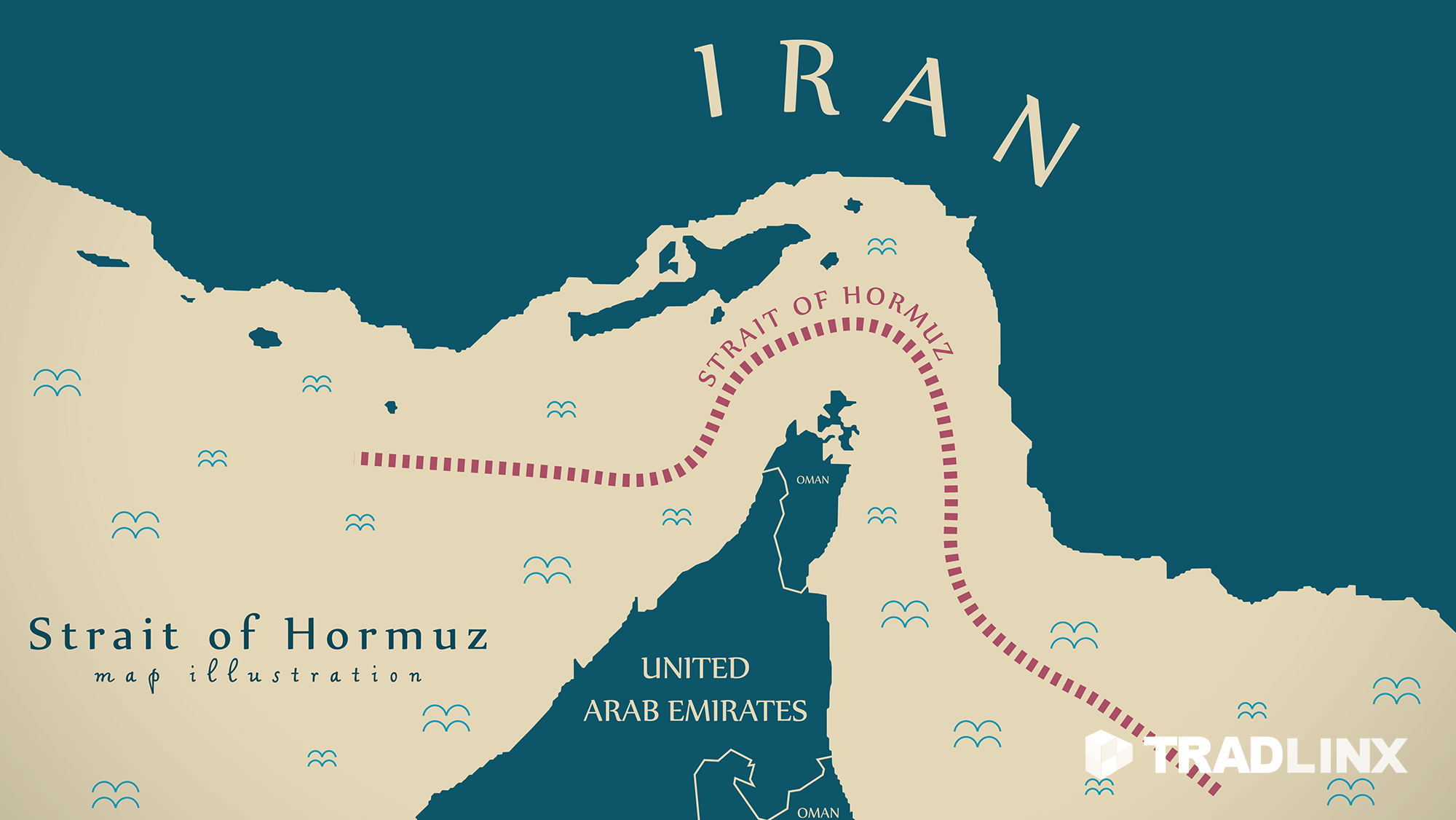
Lee is using this as a template for other defense projects. He’s explicitly stated that Korea will support India’s "independent production" of defense gear. In a world where supply chains can be cut off overnight, having a partner who’s willing to share the blueprints is rare. Seoul sees India as a stabilizer in the Indo-Pacific, especially with the Strait of Hormuz looking increasingly shaky.
The semiconductor reality check
India wants to be a global chip hub by 2030. South Korea essentially is the global chip hub. But don't expect a dozen fabrication plants to pop up overnight. The summit focused more on "co-innovation" and R&D for AI chips rather than just massive factory announcements.
The real opportunity here is in the "K-Semiconductor Belt" meeting India’s talent pool. Korea has the hardware secrets; India has the software engineers. If they can bridge the gap, they create a supply chain that doesn't have to pass through a certain large neighbor to the north.
Moving past the trade deficit frustration
Let’s be real—the trade deficit is a huge thorn in the side of this relationship. India exports raw materials while Korea exports high-value tech. That’s why you’re seeing Lee talk so much about "Make in India Together with Korea." The goal is to move Korean factories to India so that the "imports" are actually made locally.
If you're a business owner or an investor, the takeaway is clear: the focus is shifting from "selling to India" to "building in India." This isn't just a diplomatic nicety anymore; it's a strategic necessity driven by a volatile 2026 geopolitical climate.
Practical steps for businesses looking at the Korea-India corridor
Don't wait for the final communiqué to start moving. The momentum is already shifting toward specific sectors.
- Monitor CEPA 2.0 updates: The new rules will likely favor service providers and digital startups in ways the 2010 deal never could.
- Look at the "K-Culture" ripple effect: Lee specifically mentioned the food and consumer sectors. As Korean culture continues to explode in India, there's a massive opening for local franchises and joint ventures in the lifestyle space.
- Evaluate supply chain diversification: If your business relies on Middle Eastern energy or East Asian logistics, the new maritime security agreements between Seoul and New Delhi offer a more stable, albeit developing, alternative.
The summit isn't just about handshakes this time. It's about two countries realizing they're much safer together than they are trying to navigate 2026 alone. Lee’s visit is a wake-up call for both bureaucracies to stop talking and start building.