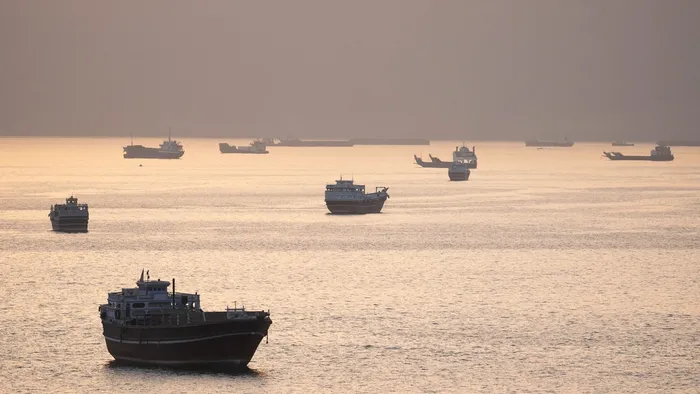
India’s long-standing dream of a gateway to Central Asia is hitting a massive geopolitical wall. By Sunday, April 26, 2026, the current US sanctions waiver for the Chabahar Port expires. New Delhi isn't just sitting around waiting for the hammer to fall. Reports suggest the Indian government is moving to divest its stake in the port, handing over the reins to an Iranian entity.
Don't mistake this for a white flag. It's a calculated sidestep. India has poured over $120 million into the Shahid Beheshti Terminal. It’s spent a decade negotiating 10-year contracts and shipping millions of tons of grain to Afghanistan. Now, with the US-Iran conflict escalating and a naval blockade in the Strait of Hormuz, the risk of holding a direct stake has become too high for Indian companies.
The strategy is simple but risky. India Ports Global Ltd (IPGL) plans to sell its holding in India Ports Global Chabahar Free Zone to a local Iranian firm. The goal? Insulate Indian state-run firms from secondary US sanctions while keeping the lights on at the port. If things cool down later, the deal allegedly includes a "buy-back" clause. India wants its port back once the diplomatic weather clears.
The impossible balancing act with Washington
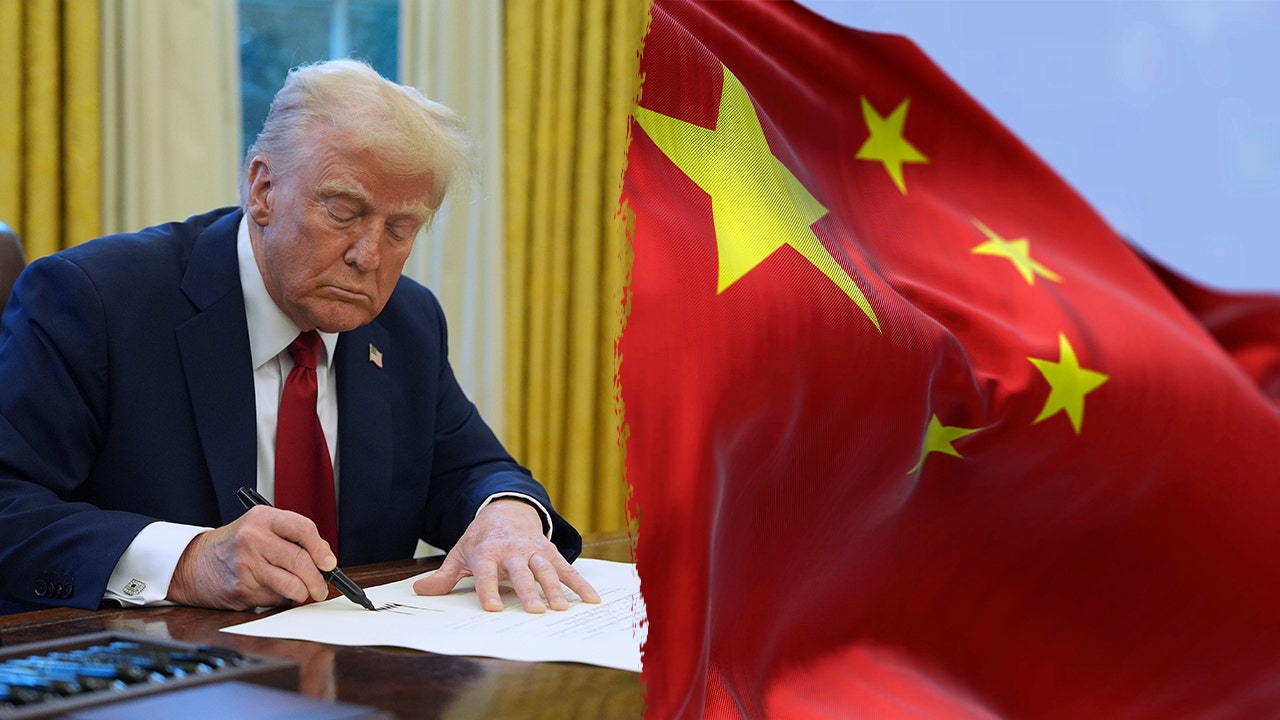
Walking the tightrope between Tehran and Washington was always going to be a nightmare. Under President Trump’s second term, the "America First" trade stance has turned into a series of ultimatums. Earlier this year, the warning was clear: any country doing business with Iran faces a 25% tariff on all exports to the US. For India, that’s a non-starter.
India-US trade is worth hundreds of billions. India-Iran trade? It’s a rounding error, sitting at roughly $1.6 billion. When you look at those numbers, the choice is brutal but logical. You don't sacrifice your biggest export market for a terminal that’s currently underutilized. The $120 million already spent is a sunk cost India is willing to write off—at least on paper—to protect the rest of the economy.
Why Chabahar still matters for the long game
If the project is such a headache, why not just walk away? Because geography doesn't change. Chabahar is India's only way to bypass Pakistan. For years, Islamabad has blocked Indian trucks from reaching Afghanistan and the resource-rich Central Asian republics. Chabahar was the "Golden Gate" that solved that problem.
- It’s the heart of the International North-South Transport Corridor (INSTC).
- It’s a direct counter to China’s multi-billion dollar investment in Pakistan’s Gwadar Port.
- It provides a humanitarian corridor that has delivered over 4 million tons of food aid since 2018.
By transferring the stake to an Iranian entity, India is trying to keep the port operational through a proxy. It's a "shadow" presence. The port stays active, the equipment India bought stays in place, but the legal liability shifts. It’s a move born out of necessity rather than choice.
The China factor in the vacuum
The biggest fear in New Delhi isn't just the sanctions. It's who moves in if India leaves a vacuum. Beijing has shown zero hesitation in dealing with sanctioned regimes. If India completely exits, China is standing by with its checkbook. Turning Chabahar into another link in the Belt and Road Initiative would be a massive strategic defeat for India in the Indian Ocean.
A forced retreat or a clever maneuver
Critics call this a "strategic surrender." They argue that by divesting, India loses the leverage it spent years building. But staying in would mean watching Indian port officials get blacklisted by the US Treasury. We've already seen IPGL directors resign en masse and the company’s website go dark to "insulate" personnel.
It’s a mess. Honestly, there’s no clean way out. The government is essentially betting that the US will see this divestment as a "good faith" effort to comply with sanctions, while Iran will see it as a necessary technicality to keep the partnership alive.
If you're an investor or a logistics firm looking at the INSTC, the immediate outlook is murky. The next few weeks will tell us if the US accepts this "temporary" ownership transfer or if they see through the mask and squeeze India anyway.
Moving forward, expect more "special purpose vehicles" and "third-party operators" in India's overseas projects. The days of direct, state-to-state investment in volatile regions are likely over. If you’re involved in regional trade, keep your contracts flexible and your legal teams ready for more "tactical adjustments" like this one.