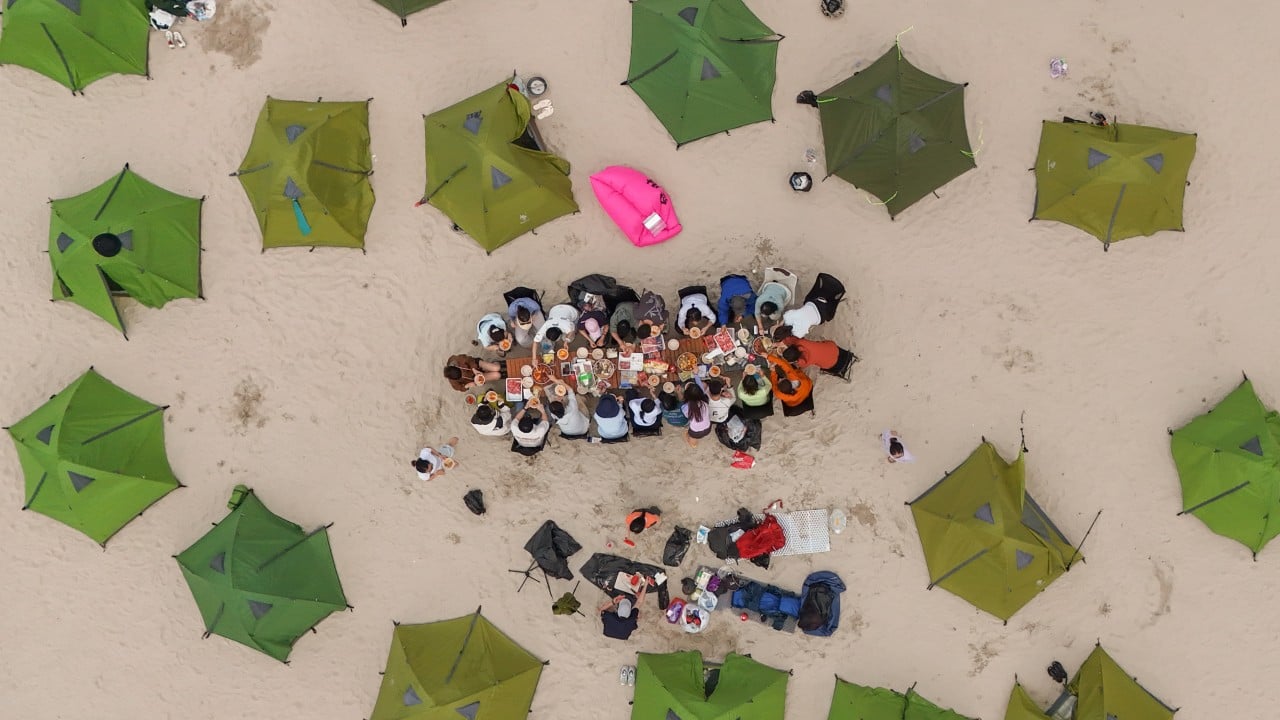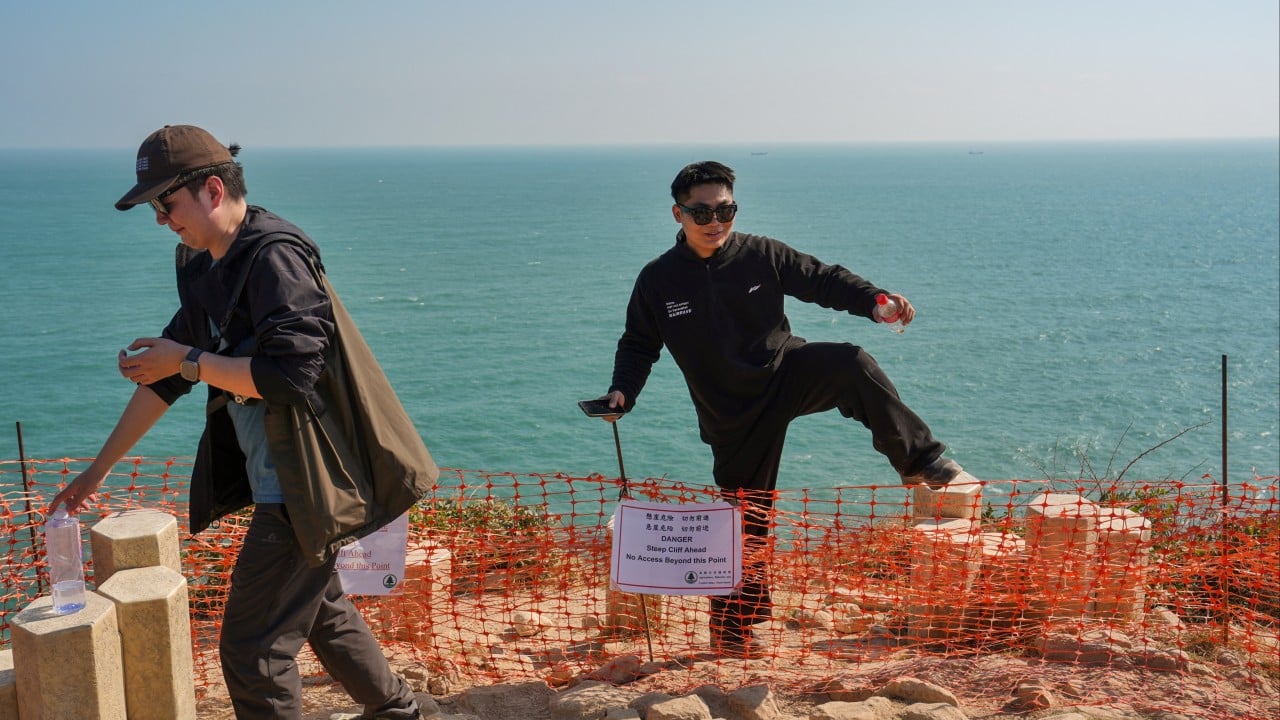
Hong Kong isn't just a concrete jungle of skyscrapers and neon lights. Look past the Central skyline and you'll find that about 40% of our land is protected country parks. But there’s a massive problem brewing. We’re calling things "ecotourism" when they’re actually just mass tourism with a green coat of paint. If a trail is so crowded you can’t see the dirt, or if a "nature tour" leaves behind a trail of plastic bottles and disturbed wildlife, it isn't ecotourism. It’s exploitation.
Real ecotourism should leave the environment better than it found it. Right now, we’re doing the opposite. We’re loving our natural assets to death.
The Myth of the Green Weekend
Every Saturday, thousands of people swarm places like Dragon’s Back or the Tai Po Kau Nature Reserve. That’s great for fitness, but it's a nightmare for biodiversity. True ecotourism, as defined by organizations like The International Ecotourism Society (TIES), must conserve the environment and improve the well-being of local people. Most of what happens in Hong Kong fails on both counts.
When 100 people hike a narrow trail meant for ten, the soil gets compacted. Plants die. Rain then washes that loose soil into streams, choking the aquatic life below. We see this happening in the mangroves of Ting Kok and the wetlands of Nam Sang Wai. People flock there for the "Gram," trampling delicate ecosystems just to get the perfect shot of a sunset or a rare bird.
If your presence in nature causes a net negative impact, you aren't an ecotourist. You're just a visitor who happened to be outside. We need to stop pretending that being in the woods is the same as protecting them.
Small Scale is the Only Way Forward
The government and tour operators often think in terms of volume. They want more visitors, more "attractions," and more infrastructure. That’s the wrong mindset for fragile ecosystems.
Look at the San Tin Technopole development or the various proposals to build housing near country park borders. The pressure on our "green lungs" is intense. To actually protect these areas, ecotourism must be low-impact and small-scale. We don't need wider paved paths or more vending machines in the middle of the woods. We need strict limits on group sizes and better education for those who do go out.
I’ve seen tour groups in Sai Kung using megaphones to point out cattle or birds. It’s absurd. It scares the wildlife and ruins the experience for everyone else. Real expertise means knowing how to guide people through a habitat without making a scene. It means teaching hikers to "Leave No Trace"—a philosophy that seems to be losing ground in the age of convenience.
The Problem with Infrastructure
There’s a dangerous trend of "beautifying" trails. Instead of natural stone and dirt, we get concrete steps and railings. While this might make a path "safer" or more accessible, it destroys the natural drainage of the hillside and kills the very "wild" feeling people are searching for.
Concrete retains heat. It creates a micro-climate that doesn't belong in a forest. If we keep paving our country parks to make them more "user-friendly," we’re just building outdoor malls. Authenticity matters. People should adapt to the terrain, not the other way around.
Protecting the Lantau Giants
Lantau Island is the frontline of this battle. Between the Ngong Ping 360 cable car and the massive reclamation projects, the island’s biodiversity is under siege. The Chinese white dolphins (Indo-Pacific humpback dolphins) are the most famous victims. Their numbers have plummeted over the last two decades.
Tours that promise dolphin sightings often do more harm than good. Boats speed through protected waters, their engine noise disrupting the dolphins’ sonar. If you want to see these animals, you should only go with operators who follow strict codes of conduct—keeping a distance, limiting time spent near a pod, and never chasing them.
The World Wildlife Fund (WWF) Hong Kong has pushed for years for better marine park management. But regulations are only as good as their enforcement. Right now, it's too easy for "eco-operators" to cut corners because they know nobody is watching.
Moving Toward Real Sustainability
So, how do we fix this? It starts with a shift in how we value our land. We have to stop seeing country parks as "empty space" waiting for a developer's blueprint.
- Mandatory Certification: If you want to run a nature tour in Hong Kong, you should be certified. This shouldn't just be a business license. It should require proof of ecological knowledge and a commitment to waste reduction.
- Dynamic Pricing or Permits: This is a tough pill to swallow for a city that loves its free parks. But for highly sensitive areas, we might need a permit system. Limiting the number of daily visitors to places like the Mai Po Nature Reserve works. Why not apply that logic to other over-stressed spots?
- Local Community Involvement: Ecotourism should benefit the people living in rural villages. If villagers in places like Lai Chi Wo see financial value in preserving their heritage and environment, they’ll become the best guardians of the land.
Hong Kong’s biodiversity is surprisingly rich. We have more species of coral than the Caribbean and more bird species than many entire countries. But this richness is fragile. It won't survive another decade of "business as usual" tourism.
Practical Steps for Your Next Outing
Don't wait for the government to change the rules. You can change how you interact with nature right now.
Stop buying single-use plastic bottles before you hit the trail. Carry out your trash, and if you see someone else’s rubbish, pick it up too. Stick to the marked paths—shortcuts create "social trails" that lead to massive erosion.
If you’re booking a tour, ask the operator about their environmental policy. If they don't have one, or if they promise "guaranteed" wildlife encounters at any cost, don't give them your money. Supporting the right businesses is the fastest way to signal that we care about the actual environment, not just a photo op.
Start looking at the small things. The Romer’s tree frog, unique to Hong Kong, is barely the size of a thumbnail. It doesn't need a paved path or a souvenir shop. It needs a clean, quiet habitat. Our natural assets are a finite resource. Once they’re paved over or polluted into oblivion, they aren't coming back. Treat the country parks like the sanctuary they are, not a playground to be used and discarded.
Take your trash home. Keep your voice down. Respect the wildlife. It’s that simple. If you can’t do those things, stay in the city. Preserve the wild for those who actually respect it.