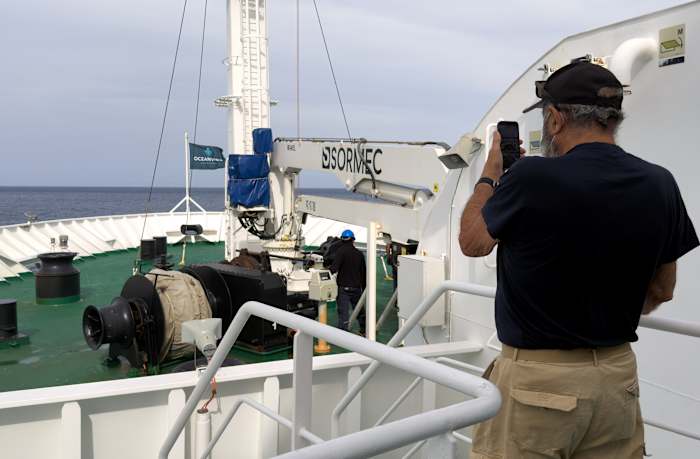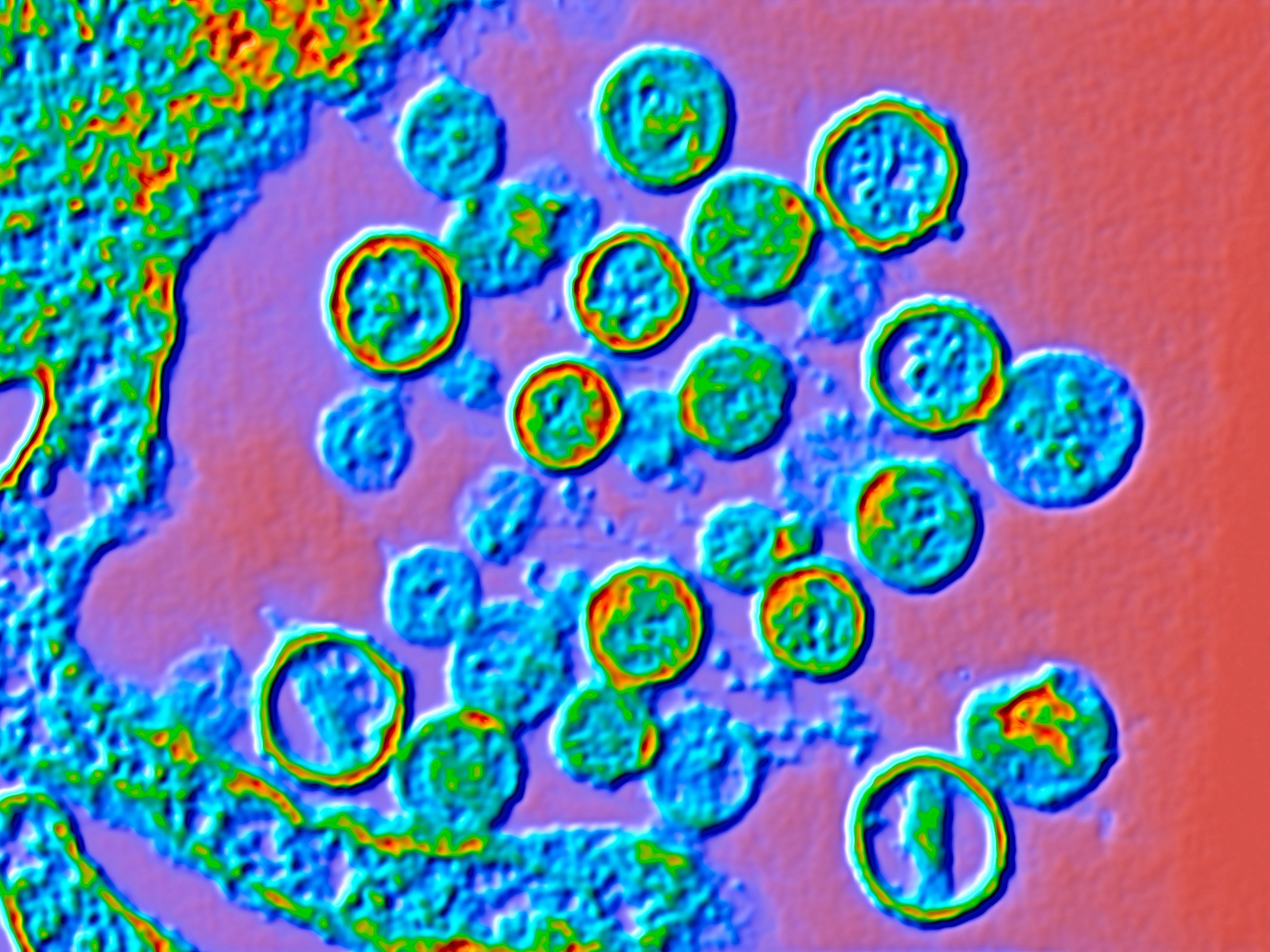
Panic is a policy failure. When news broke regarding the U.S. government planning evacuation flights for Americans trapped on a ship linked to hantavirus, the media did exactly what it always does: it sold a rescue narrative. It painted a picture of a benevolent state swooping in to save its citizens from a viral specter.
The reality is far messier and significantly more dangerous. We are watching a masterclass in performative medicine that ignores the fundamental virology of the pathogen in favor of a political "win." If you think putting a group of potentially infected individuals into a pressurized aluminum tube for ten hours is a "safety measure," you aren't paying attention.
The Transmission Lie
The public has been conditioned to treat every virus like it’s a variant of SARS-CoV-2. We see a headline about an outbreak, and we immediately think of masks, social distancing, and airborne droplets.
Hantavirus doesn't play by those rules. In the Western Hemisphere, we deal primarily with Hantavirus Pulmonary Syndrome (HPS). It is not a disease of "person-to-person" contact. It is a disease of environment. You contract it by breathing in aerosolized droppings, urine, or saliva from infected rodents—specifically the deer mouse or the white-footed mouse.
When the government organizes an "evacuation flight," they are responding to a threat that, by the very nature of being on a ship, has likely already been contained or bypassed. If the ship has a rodent problem, the risk is the ship. If the ship has been cleaned, the risk is gone. By rushing to "evacuate," we aren't stopping a spread; we are creating a logistical nightmare that increases the risk of secondary infections and medical errors due to the sheer chaos of the transition.
The Physics of the Pressurized Tube
Let’s look at the "solution": a long-haul flight.
A standard commercial aircraft—even one chartered for evacuation—cycles air through HEPA filters, sure. But it also maintains a cabin altitude of about 6,000 to 8,000 feet. For a patient in the prodromal phase of HPS—where the lungs are beginning to fill with fluid—dropping the ambient oxygen pressure is a death sentence.
HPS has a mortality rate of roughly 35% to 40%. It kills by causing vascular leak syndrome. Your capillaries start leaking plasma into your lungs. You drown from the inside out.
If a passenger on that "rescue" flight is secretly harboring the virus, the physiological stress of high-altitude travel could accelerate their transition from "flu-like symptoms" to "total respiratory collapse" while they are over the middle of the Atlantic. There is no ICU on a Gulfstream. There is no ECMO (Extracorporeal Membrane Oxygenation) machine tucked into the overhead bin.
The "rescue" flight is actually a high-speed gamble with human lives.
The Cost of the "Hero" Narrative
I have seen government agencies burn through eight-figure budgets to "repatriate" citizens for the sake of a photo op on the tarmac.
The logic is always the same: "We must bring them home to American hospitals." This assumes that a modern cruise ship or a foreign port hospital is a medieval dungeon. It’s an arrogant, Western-centric view of medicine that costs lives.
- Fact: The best treatment for HPS is early supportive care.
- Fact: Moving a patient in the middle of that care is the most dangerous thing you can do.
- Fact: Air travel dehydrates the body and stresses the pulmonary system.
By insisting on an evacuation, the U.S. is prioritizing the location of the patient over the stability of the patient. It’s a move made by bureaucrats, not clinicians.
Managing the Rodent, Not the Human
If we actually cared about the science, the conversation would be about maritime pest control and environmental remediation, not flight paths.
The "People Also Ask" sections of the internet are currently flooded with questions like, "Can I get hantavirus from a coworker?" or "Is hantavirus the next pandemic?" The answer is a resounding "No." It isn't a pandemic candidate because it doesn't jump from human to human (with the rare, specific exception of the Andes virus in South America, which hasn't been the focus of these specific maritime fears).
We are treating a localized environmental hazard as if it’s a global contagion. This atmospheric hysteria leads to the misallocation of resources. While we spend millions on a single flight for thirty people, we ignore the crumbling public health infrastructure that actually monitors rodent populations in port cities.
The Hidden Risk of Triage Errors
Imagine a scenario where 50 people are evacuated. In the rush to clear the ship, every cough is treated as Hantavirus. Every fever is a "suspected case."
In the medical world, we call this "diagnostic overshadowing." When you are looking for a specific, scary boogeyman, you miss the boring killers. Someone on that ship likely has standard bacterial pneumonia. Someone else might be having a heart attack. But because they are on the "Hantavirus Ship," they are funneled into a bio-containment protocol that delays standard, life-saving imaging and intervention.
The evacuation flight isn't just a risk for the people with the virus; it's a risk for everyone who doesn't have it but is caught in the dragnet of panic.
Stop Rewarding Public Health Theater
The competitor articles love the drama. They love the "ticking clock" and the "heroic pilots." They won't tell you that the safest place for those passengers is likely exactly where they are—stationary, under observation, with stabilized oxygen levels.
We have reached a point where "doing something" is valued more than "doing the right thing." An evacuation is "doing something." It's visible. It's expensive. It looks like leadership.
But true leadership would be the U.S. government saying: "The risk is environmental. The ship is being remediated. The passengers are safer remaining at sea-level under the care of the onboard medical team than they are in a pressurized cabin. We are sending specialists to them, rather than dragging them to us."
But that doesn't make for a good headline. It doesn't satisfy the urge to "rescue."
We are addicted to the evacuation narrative because it feels like control. In reality, it’s just moving the problem from a stable environment to a volatile one at 30,000 feet.
Stop clapping for the rescue flights. Start asking why we are willing to risk pulmonary edema for a PR win.