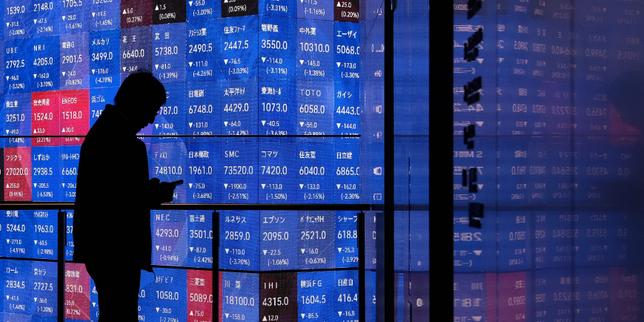
The sirens in Isfahan didn't just signal a military escalation. They sent a lightning bolt through the trading floors of Paris, Frankfurt, and London. When news broke of strikes in Iran, the immediate reaction from investors followed a script we’ve seen play out for decades. Fear is the most efficient driver of capital. Within minutes, European stock indices took a dive while defense contractors saw their valuations climb. It’s a brutal, predictable cycle of "risk-off" sentiment that leaves retail investors wondering if they should hit the sell button or hold their breath.
If you’re watching the CAC 40 or the DAX, you’re seeing the physical manifestation of geopolitical anxiety. Markets hate uncertainty more than they hate bad news. A known recession is something a quant can model. An unpredictable exchange of missiles between major regional powers is a variable that breaks the math. That’s why we see the sudden divergence: energy and defense go up, while everything else—tech, luxury, travel—gets hammered.
The European Market Reaction Is Not Just About Oil
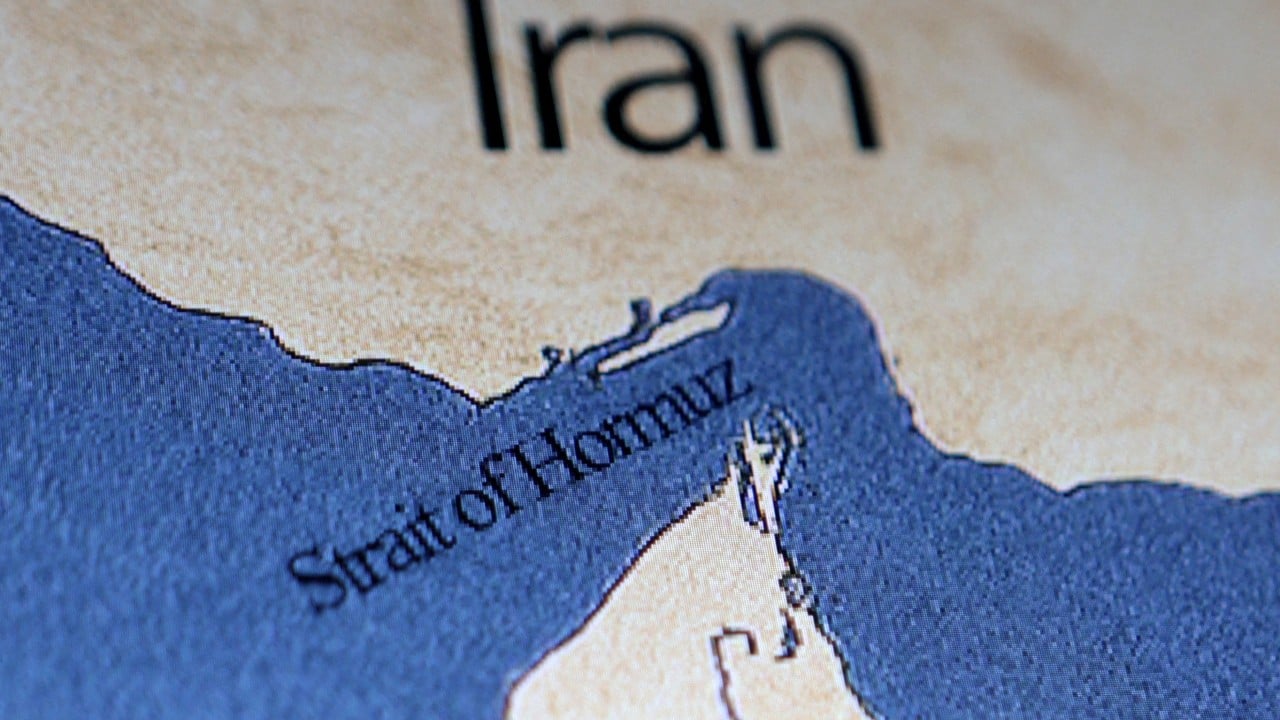
Most analysts will tell you this is all about the price of a barrel of Brent. They’re partially right, but it’s a lazy oversimplification. Yes, Iran sits near the Strait of Hormuz. Yes, a significant chunk of the world’s oil passes through that choke point. If that gets blocked, energy prices spike, inflation stays sticky, and central banks like the ECB keep interest rates high for longer. That’s the standard macro view.
But look closer at the European bourses. The sell-off in the CAC 40, for instance, is often driven by the luxury sector. Brands like LVMH or Hermes rely on global stability and consumer confidence. When the world feels like it’s on the brink of a larger conflict, people don't rush out to buy five-thousand-dollar handbags. The "wealth effect" reverses. Investors dump these high-multiple stocks to move into "safe havens" like gold or Swiss francs.
The German DAX reacts differently because of its industrial backbone. High energy costs are a direct tax on German manufacturing. If electricity and fuel prices stay elevated because of Middle Eastern instability, the margins for industrial giants vanish. This isn't just a "bad day" on the market. It’s a structural threat to the European economy’s recovery.
Defense Stocks Are the Only Winners in a Crisis
While the rest of the board is bleeding red, defense companies like Rheinmetall, Thales, and BAE Systems often see green. It feels cynical. Honestly, it is. But from a cold, hard investment perspective, it’s logical. Increased regional tension leads to one inevitable outcome: higher defense budgets.
European nations have already been on a spending spree since the conflict in Ukraine began. An escalation in the Middle East adds another layer of urgency. Governments realize they can't rely on depleted stockpiles. They need fresh hardware, sophisticated missile defense systems, and expanded drone capabilities.
I’ve watched Rheinmetall’s stock price over the last two years. It’s no longer just a "defense play." It’s become a barometer for global instability. When the news from Tehran or Jerusalem turns dark, these stocks move in the opposite direction of the broader market. Investors use them as a hedge. If the world is getting more dangerous, the people making the tools of war are going to have a very busy order book.
Why Gold and Bonds Become the Ultimate Refuges
When the headlines get scary, the "smart money" moves into assets that don't depend on a company’s quarterly earnings. This is why we saw gold prices flirt with all-time highs as the reports of strikes emerged. Gold doesn't pay a dividend. It doesn't grow. But it also doesn't go to zero. It’s the ultimate "I don't trust the world right now" trade.
Government bonds, particularly US Treasuries and German Bunds, also see a surge in demand. When everyone wants to buy bonds, their prices go up and their yields go down. This creates a weird paradox. The market is crashing because of fear, but the cost of government borrowing actually drops because everyone is desperately trying to lend the government money just to keep their cash safe.
If you're holding a diversified portfolio, you probably noticed your "safe" assets stayed flat or ticked up while your growth stocks took a 3% haircut. That’s the system working as intended. It’s the friction of global politics rubbing against the gears of global finance.
The Volatility Trap for Retail Investors
The biggest mistake you can make during these spikes in tension is panic-selling at the bottom. The first hour of trading after a military strike is usually dominated by algorithms. These "algos" are programmed to sell on specific keywords. They move faster than any human can think. By the time you’ve finished your coffee and opened your brokerage app, the "dip" might already be halfway recovered.
Geopolitical shocks tend to have a "V-shaped" impact on the markets unless they lead to a full-scale, multi-year world war. The market prices in the worst-case scenario instantly. If the worst-case doesn't happen—if the strikes stay limited or the rhetoric cools down—the market rebounds just as quickly.
You have to look at the fundamentals. Did the strike in Iran actually change the earnings potential of a software company in Montpellier? Probably not. But it changed the "risk premium" investors are willing to pay.
Actionable Steps for Navigating Geopolitical Spikes
Stop checking your portfolio every ten minutes when the news is breaking. It leads to emotional decisions that cost you money in the long run. Instead, focus on these tactical adjustments.
Check your exposure to the energy sector. If you’re underweight, a small position in an energy ETF can act as a natural hedge against Middle Eastern instability. When oil prices jump, these assets provide a cushion for the rest of your portfolio.
Re-evaluate your "stop-loss" orders. In high-volatility environments, prices can "gap" down. A stop-loss might execute at a much lower price than you intended during a flash crash. Sometimes it’s better to use "mental stops" or wider margins during an active crisis to avoid being shaken out of a good position by a temporary spike in fear.
Keep a portion of your portfolio in "dry powder." Cash is a position. Having 10% or 15% in a money market fund allows you to buy the high-quality stocks that everyone else is selling in a panic. When the CAC 40 drops 3% on news that doesn't actually affect a company’s long-term value, that’s a buying opportunity, not a reason to hide.
The reality of 2026 is that the line between a military briefing and a financial report has blurred. You can't be a successful investor today without understanding the map. Keep your eyes on the headlines, but keep your finger off the panic button. Use the volatility to your advantage by identifying which sectors are overreacting and which are truly at risk. Balance your holdings between the defensive winners and the oversold quality names that will bounce back once the smoke clears.