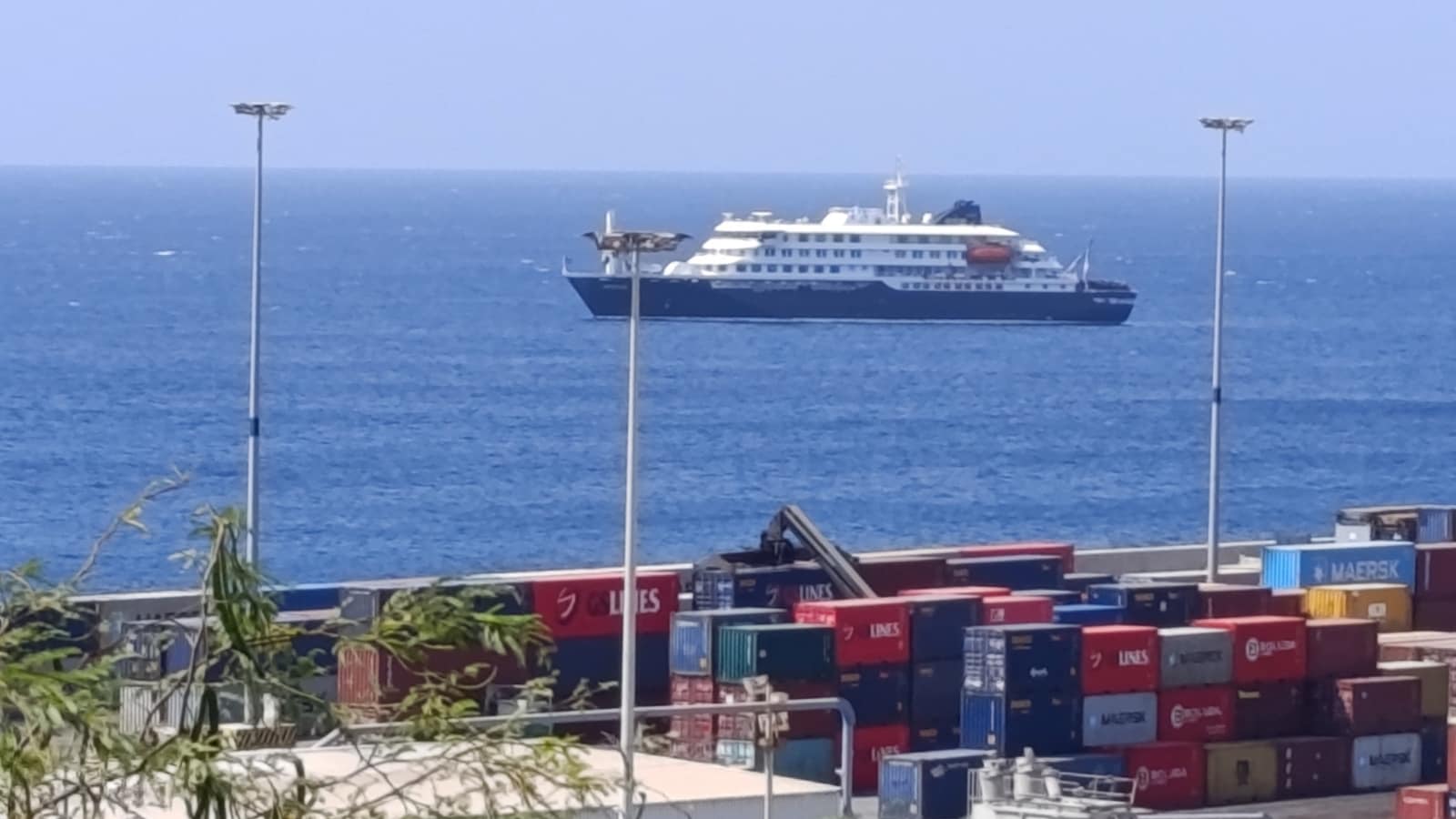
The detection of Hantavirus Pulmonary Syndrome (HPS) within the high-density, closed-loop environment of a cruise ship represents a specific failure in pre-boarding screening protocols and an immediate stress test for international health regulations. While public concern often gravitates toward high-transmission respiratory viruses like influenza or coronaviruses, the Hantavirus family—specifically New World strains—introduces a different risk profile characterized by high case-fatality rates (CFR) and complex zoonotic transmission vectors. The current rush by global health authorities to track passengers is not merely a reactive measure but a calculated attempt to intercept a pathogen that, while typically non-communicable between humans, carries a mortality rate often exceeding 35%.
The Triad of Hantavirus Risk Analysis
To evaluate the threat posed by a shipboard outbreak, one must look at the intersection of three distinct variables: the viral strain, the environmental vector, and the latency period of the infection.
- Pathogenic Classification: Hantaviruses are divided into Old World (causing Hemorrhagic Fever with Renal Syndrome) and New World (causing HPS). The New World strains found in the Americas are significantly more lethal. If the vessel in question originated from or docked in regions endemic to Sin Nombre or Andes virus variants, the clinical stakes escalate.
- The Enclosed Space Variable: Cruise ships operate as artificial ecosystems. Hantavirus is primarily contracted through the inhalation of aerosolized droppings, urine, or saliva from infected rodents. In a maritime context, the ventilation systems (HVAC) and localized infestations in food storage or cargo holds become the primary distribution channels for viral particles.
- The Incubation Window: HPS has an incubation period ranging from 1 to 8 weeks. This creates a "silent transit" period where passengers disperse globally, returning to disparate healthcare jurisdictions before symptoms manifest.
Quantifying the Containment Failure
The necessity for a global passenger hunt indicates a breakdown in the Primary Prevention Layer. Standard maritime health declarations often focus on gastrointestinal symptoms (Norovirus) or fever. Hantavirus bypasses these filters because initial symptoms are indistinguishable from common malaise—fatigue, fever, and muscle aches—until the rapid onset of pulmonary edema.
The structural failure occurs in the Trace and Notify (T&N) latency. By the time a single case is confirmed via enzyme-linked immunosorbent assay (ELISA) or RT-PCR testing, the "contact cloud" has already moved from a centralized point (the ship) to a decentralized global network. The logistical cost of tracking 3,000+ passengers across 40+ countries is an exponential function of time; every 24 hours of delay increases the probability of an "unmonitored death"—a case that occurs in a region where doctors are not trained to look for Hantavirus, leading to late-stage respiratory failure and death.
The Mechanism of Zoonotic Intrusion on Maritime Vessels
Rodent ingress on a modern cruise ship is a rare but catastrophic breach of the Integrated Pest Management (IPM) system. Analysis suggests three primary entry points:
- Provisioning Contamination: Infested pallets or food crates loaded at port.
- Structural Breaches during Refit: Rodents entering during dry-dock maintenance when hull integrity is compromised.
- Shore-to-Ship Transfer: Direct migration via mooring lines, despite the use of "rat guards."
The presence of Hantavirus suggests that the rodents on board are not merely a nuisance but a specific population of Sigmodontinae (deer mice, cotton rats, or white-footed mice). The viral load in the air is concentrated in confined areas such as lower-deck cabins, crew quarters, or storage lockers. When HVAC systems recirculate this air without HEPA-grade filtration, the infection risk extends beyond the point of origin.
The Andes Virus Exception and Human-to-Human Transmission
A critical nuance in this tracking effort involves the Andes virus (ANDV). Unlike most Hantaviruses, ANDV, found in South America, has documented cases of person-to-person transmission. If the cruise ship outbreak involves an ANDV strain, the tracking effort shifts from "monitoring the exposed" to "quarantining the infectious."
This distinction changes the mathematical modeling of the outbreak from a Point Source Model (where everyone is exposed at once) to a Chain Transmission Model. In a Chain Transmission scenario, the "rush to track" is a race against $R_0$ (the basic reproduction number). While the $R_0$ for Hantavirus is typically near zero, for ANDV it has been observed to fluctuate, necessitating a rigorous contact tracing protocol that includes second and third-order contacts—the families and coworkers of the passengers.
Jurisdictional Friction and Data Silos
The efficacy of the current passenger search is throttled by the lack of a unified global health data exchange. National health agencies (e.g., CDC in the US, ECDC in Europe) rely on Passenger Manifest Data (PMD) provided by the cruise line.
This data is often:
- Incomplete: Missing secondary contact info or accurate post-disembarkation itineraries.
- Delayed: Subject to privacy laws and corporate legal reviews.
- Non-standardized: Formatting differences make automated cross-referencing between border control and health databases difficult.
The result is a fragmented response where "high-risk" individuals may cross three borders before a health alert reaches their current location. The "rush" is less about the speed of the virus and more about the speed of the bureaucracy trying to catch up to the speed of modern air travel.
Clinical Management Challenges in Post-Disembarkation Scenarios
For the healthcare systems receiving these passengers, the diagnostic hurdle is high. HPS progresses through two distinct phases:
- Prodromal Phase: 3–5 days of non-specific symptoms. During this phase, there are no definitive clinical markers to distinguish Hantavirus from a standard viral infection.
- Cardiopulmonary Phase: Sudden onset of cough and shortness of breath, followed by rapid respiratory failure.
Because there is no specific antiviral treatment or vaccine for HPS, management is limited to supportive care. The survival rate is directly correlated with the speed of intubation and, in severe cases, the availability of Extracorporeal Membrane Oxygenation (ECMO). The tracking effort is designed to place these passengers under "active surveillance" so they can be moved to Level 1 trauma centers at the first sign of a cough, bypassing the delays inherent in a standard ER admission.
Structural Vulnerabilities in Global Maritime Health Policy
The current crisis highlights a fundamental flaw in the International Health Regulations (IHR 2005) regarding non-communicable zoonotic threats. The IHR focuses heavily on diseases like Yellow Fever or Plague, but Hantavirus falls into a "gray zone."
Cruise lines are not currently required to perform genomic surveillance of rodent populations found on board, nor are they required to maintain real-time health data linkages with the WHO. This creates a reactive rather than a proactive posture. The financial impact on the cruise industry—refunds, lawsuits, and brand damage—is a secondary effect, but the primary economic cost is the public health expenditure of dozens of nations mobilizing task forces to find individuals who were exposed weeks prior.
Strategic Protocol for Future Containment
The mitigation of future maritime Hantavirus events requires a shift from tracking to hardware-based prevention.
- Mandatory HVAC Ultraviolet Germicidal Irradiation (UVGI): Implementation of UVC light within air handling units to neutralize aerosolized viral particles.
- Molecular Environmental Monitoring: Routine PCR testing of dust and air samples from cargo and provisioning areas to detect viral RNA before human exposure occurs.
- Dynamic Health Manifests: Requirement for passengers to provide a 14-day post-travel itinerary as a condition of boarding, allowing for instantaneous digital notification in the event of an outbreak.
The immediate priority for global health authorities is the synchronization of passenger lists with local hospital intake systems. The window for successful intervention is closing. For passengers who were on the affected vessel, the strategic recommendation is immediate isolation upon the onset of any febrile illness and the explicit communication of their travel history to medical personnel. The failure to do so converts a manageable clinical case into a fatal diagnostic error. Authorities must now pivot from searching for passengers to preparing the critical care infrastructure—specifically ECMO capacity—in the regions where the highest volume of passengers disembarked.