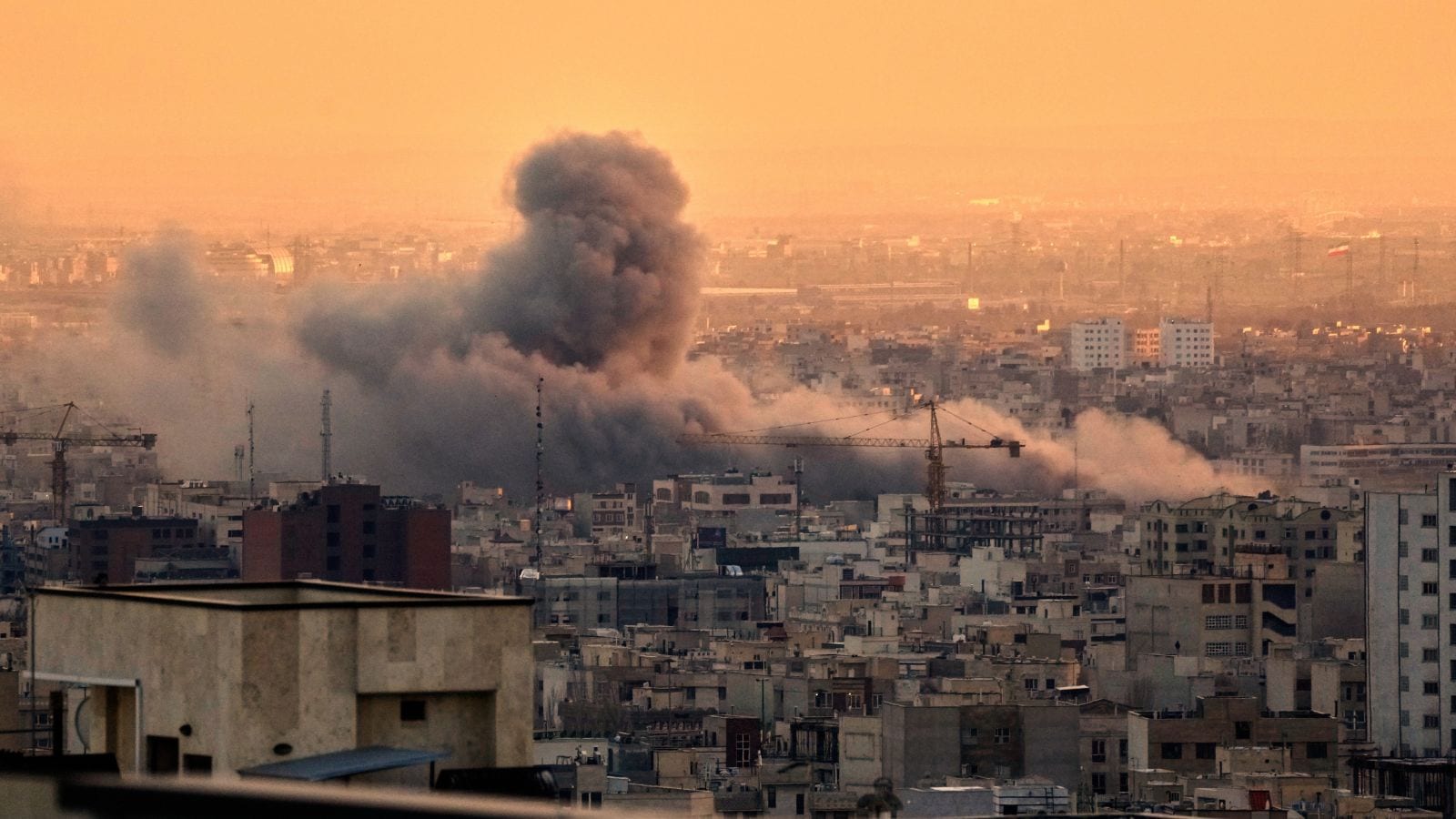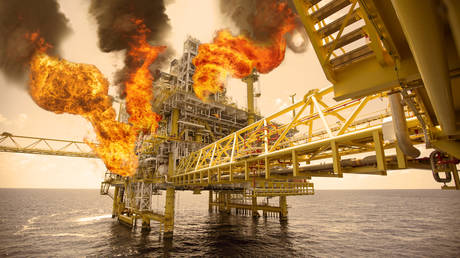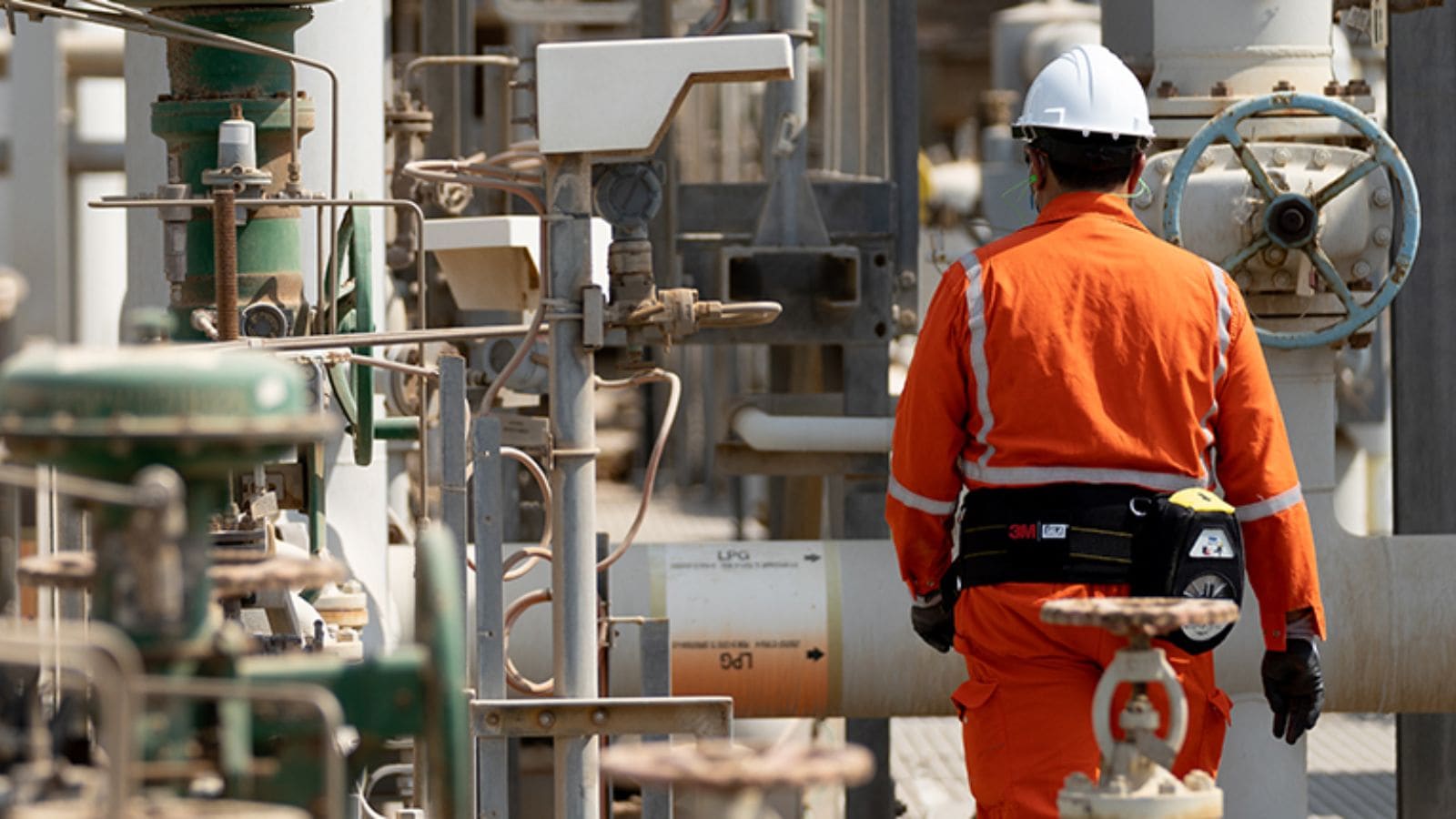
The suspension of urea, polymer, methanol, and aluminum production by QatarEnergy represents a pivot from profit maximization to survivalist asset protection in response to the escalating Iran-Israel conflict. This is not merely a logistical delay; it is a calculated de-risking of the Strait of Hormuz, through which approximately 20% of the world’s liquefied natural gas (LNG) and a significant portion of Middle Eastern petrochemicals must pass. When a state-backed entity like QatarEnergy halts high-margin downstream derivatives, it signals that the operational risks of maintaining the supply chain have decoupled from the projected financial returns.
The Hierarchy of Qatar’s Energy Exports
To understand the decision to prioritize or halt specific production lines, one must categorize Qatar’s exports by their dependency on the "Hormuz Chokepoint." Unlike oil, which can occasionally be rerouted via pipelines, Qatar’s entire economic model is built on maritime fluidity.
- Primary Feedstock (LNG): The core revenue driver. Any interruption here is an existential threat to the Qatari budget.
- Downstream Derivatives (Urea and Ammonia): High-volume, bulk-shipped fertilizers essential for global food security.
- Industrial Polymers and Methanol: Intermediate chemicals used in global manufacturing.
- Energy-Intensive Metallurgy (Aluminum): Smelting operations that rely on cheap internal natural gas but require global shipping for the finished product.
The cessation of the latter three categories suggests a "Buffer Strategy." By pausing the production of secondary derivatives, Qatar conserves the primary feedstock—natural gas—and reduces the number of vessels entering a potential combat zone.
The Economic Logic of Downstream Suspension
The decision to stop producing urea and polymers is driven by the Variable Cost vs. Insurance Risk function. In a standard market, Qatar enjoys some of the lowest production costs globally due to integrated gas access. However, conflict introduces three specific "Friction Costs" that erode this advantage:
- War Risk Insurance Premiums: For vessels traversing the Persian Gulf, insurance costs can spike by 1000% in a matter of days. For lower-value bulk goods like urea, these premiums can represent a disproportionate percentage of the total delivered price, making the product uncompetitive compared to North American or Russian alternatives.
- Opportunity Cost of Storage: Qatar’s storage capacity for chemicals and aluminum is finite. If the shipping lanes are blocked or threatened, production must cease once onshore tanks reach 90-95% capacity. It is more efficient to keep the gas in the reservoir (the North Field) than to produce a physical commodity that cannot be moved.
- The Power-to-Export Ratio: Aluminum smelting is essentially the export of "solidified electricity." It requires massive, constant baseload power generated from gas. In a crisis, diverting that gas to maintain the pressure of the LNG export infrastructure or for domestic emergency reserves takes precedence over smelting metal for the global market.
Structural Vulnerabilities in the Petrochemical Chain
The halt in methanol and polymer production creates a bullwhip effect in the global manufacturing sector. Qatar is a top-tier supplier to Asian markets, particularly China and India. The logic of the stoppage follows a path of Operational Fragility:
The Polymer Bottleneck
Polyethylene and polypropylene production requires continuous-flow reactors. These systems cannot be easily "pulsed." A decision to stop production indicates a forecast of prolonged instability (greater than 14 days). If QatarEnergy anticipates that ships will not arrive to clear the inventory, they must initiate a controlled shutdown to avoid "clogging" the system, which can take weeks to restart once the crisis abates.
The Urea-Food Security Link
Qatar is one of the world’s largest exporters of urea. A stoppage here directly impacts agricultural cycles in South Asia. This creates a diplomatic lever. By citing "force majeure" or operational safety due to the Iran-Israel conflict, Qatar underscores its role as an indispensable energy hub, effectively forcing international powers to prioritize the de-escalation of the maritime corridor.
The Iran-Israel Conflict as a Kinetic Constraint
The specific geography of the Iran-Israel war introduces a "Targeting Uncertainty" for Qatari assets. While Qatar maintains a complex relationship with Iran—sharing the North Field/South Pars gas field—the proximity of Qatari shipping lanes to Iranian coastal missile batteries makes every vessel a potential collateral target.
The mechanism of risk here is Attribution Ambiguity. In a high-tension environment, a mine strike or a drone hit on a chemical tanker might not be immediately attributable to a specific actor. QatarEnergy’s withdrawal from the market reduces the "Target Surface Area." Fewer ships mean fewer opportunities for an incident that could escalate into a full-scale blockade of the Strait.
Quantifying the Global Supply Gap
The removal of Qatari urea and aluminum from the market shifts the global supply curve to the left, resulting in immediate price volatility.
- Urea Markets: Global prices typically react with a 5-8% "Conflict Premium" within 48 hours of a Qatari production halt.
- Aluminum: While the London Metal Exchange (LME) has diverse supply sources, the loss of Qatari "green" aluminum (produced with high-efficiency gas) forces buyers toward higher-carbon alternatives, impacting ESG-compliant supply chains in Europe.
- Methanol: Used in everything from plastics to fuel additives, the Qatari shortfall forces Asian spot markets to seek supply from the US Gulf Coast, significantly increasing "Ton-Mile" demand for tankers and further straining global shipping capacity.
Operational Limitations of the Stoppage
This strategy is not without significant downsides. QatarEnergy faces two primary risks by idling these plants:
- Technical Decay: Industrial plants, especially aluminum smelters, suffer structural damage if cooled down completely. "Potlines" in aluminum smelting can freeze, requiring months of manual labor and millions in capital expenditure to restart. This implies that for aluminum, the "stop" may be a reduction to "minimum stable flux" rather than a total cold shutdown.
- Contractual Defaults: Most urea and polymer sales are governed by long-term Offtake Agreements. Invoking Force Majeure (Act of God/War) protects the seller legally but damages the "Reliability Rating" of the supplier.
Strategic Forecast: The Shift to "Fortress Qatar"
The move by QatarEnergy signals a transition into a "Fortress" economic posture. The priority is the maintenance of the North Field Expansion project—the massive capital investment designed to increase LNG capacity by 64% by 2027.
The logic is clear: Sacrifice the branches to save the trunk. The downstream chemicals and metals are the branches. The LNG export capability is the trunk. By shutting down secondary production, Qatar reduces its immediate logistical exposure, preserves its primary feedstock, and waits for a "Maritime Security Corridor" to be re-established by international naval forces.
The immediate strategic move for global procurement officers is to diversify away from "Hormuz-dependent" derivatives. This involves securing prompt-month contracts for urea and polymers from Atlantic Basin suppliers. For the energy markets, the focus must shift from "Price of Commodity" to "Price of Transit." The Qatari stoppage proves that in modern conflict, the ability to produce a resource is irrelevant if the geography of the exit point is compromised. Organizations should immediately audit their Tier 2 and Tier 3 suppliers for Qatari petrochemical inputs, as the ripple effect of this shutdown will manifest in finished goods pricing within 60 to 90 days.