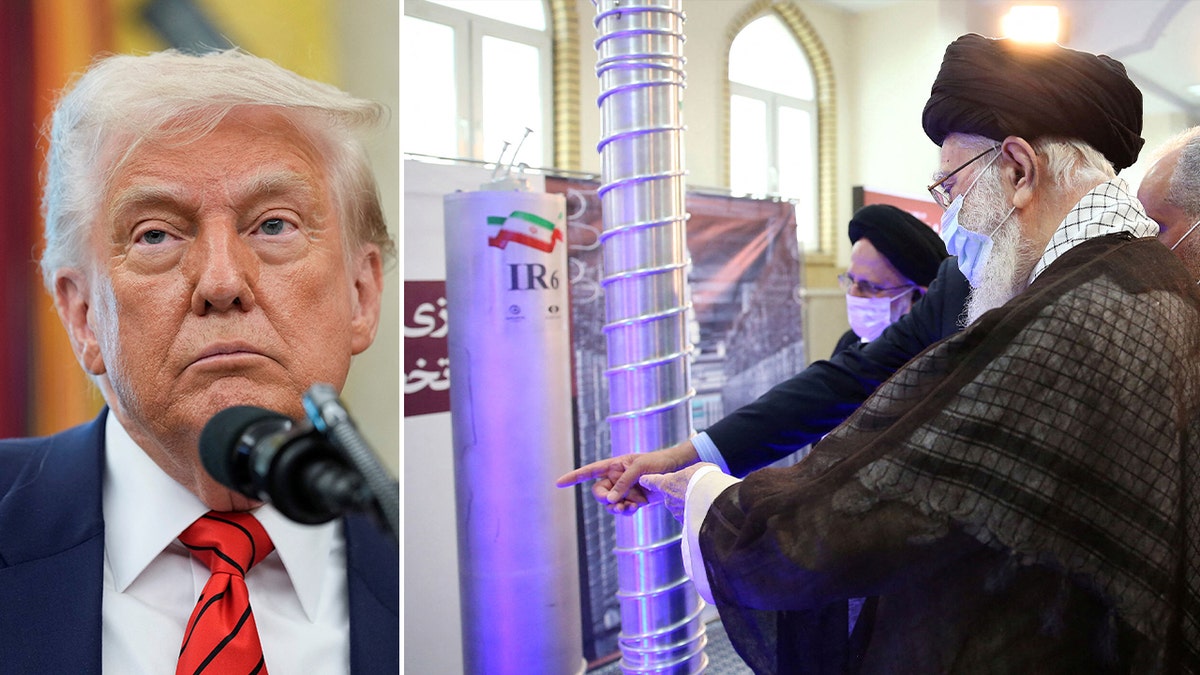
The current Iranian diplomatic posture is not a shift in ideological intent but a calculated response to a specific set of economic and security constraints. Tehran’s recent overtures regarding a return to the negotiating table function as a risk-mitigation strategy designed to decouple immediate economic pressures from long-term regional objectives. By emphasizing the duality of "diplomatic necessity" and "existential distrust," the Iranian presidency is signaling a transition from a period of maximum resistance to a period of managed engagement. This strategy relies on three distinct operational pillars: the restoration of economic liquidity, the preservation of defensive depth, and the utilization of a "trust deficit" as a negotiating leverage point.
The Economic Utility of Diplomatic Signaling
The primary driver for renewed engagement is the degradation of Iran's macroeconomic stability. Iranian leadership views diplomacy as a mechanism to alleviate the opportunity cost of isolation. This cost is quantified through the divergence between Iran’s potential GDP growth under a normalized oil export regime versus its current restricted output.
- Liquidity Access: The immediate goal is the unfreezing of assets held in foreign jurisdictions. These funds represent a "liquidity bridge" required to stabilize the rial and fund domestic infrastructure.
- Inflationary Suppression: By signaling a willingness to talk, the administration attempts to influence market expectations, reducing the speculative pressure on the currency and curbing the velocity of inflation.
- Sanction Arbitrage: Tehran utilizes the period of negotiation to identify and exploit technical loopholes in enforcement regimes, essentially using time as a resource to diversify its trade partners.
The logic here is purely transactional. For Tehran, diplomacy is an instrument to be deployed when the marginal benefit of sanctions relief exceeds the perceived sovereign cost of technical concessions.
The Friction of Strategic Distrust
Distrust is frequently framed as a psychological barrier, but in the context of U.S.-Iran relations, it functions as a structural constraint. From the Iranian perspective, the unilateral withdrawal of the United States from the Joint Comprehensive Plan of Action (JCPOA) in 2018 transformed "compliance risk" from a theoretical concern into a historical precedent. This creates a fundamental imbalance in the negotiation framework.
The Problem of Temporal Inconsistency
A primary hurdle in any agreement is the lack of a "binding mechanism" that spans multiple U.S. administrations. Iranian negotiators face a Time-Inconsistency Problem: they are asked to provide permanent or long-term structural changes to their nuclear program in exchange for executive-level sanctions relief that can be reversed by a successor with a single signature. This asymmetry makes "trust" a non-variable. Instead, Iranian strategy focuses on embedded incentives—structuring deals so that the cost of Western withdrawal becomes prohibitively high for European and Asian partners, thereby creating a buffer against U.S. policy volatility.
Defensive Depth and the Regional Variable
Diplomacy is never isolated from Iran’s regional security architecture. The "Strategic Distrust" mentioned by the presidency serves as a justification for maintaining Asymmetric Deterrence. Even while discussing nuclear limits, Tehran considers its ballistic missile program and its network of regional non-state actors as non-negotiable assets.
- The Deterrence Equation: If the nuclear option is capped via diplomacy, the relative value of conventional and asymmetric assets increases.
- The Buffer Zone: Influence in neighboring territories provides "strategic depth," ensuring that any potential conflict occurs outside of Iranian borders.
This create a dual-track policy where the Ministry of Foreign Affairs manages the "Diplomatic Track" (sanctions relief) while the security apparatus manages the "Hard Power Track" (regional leverage). The tension between these two tracks is the defining feature of Iranian governance.
The Cost Function of Engagement
For the Iranian presidency, every diplomatic gesture carries a domestic political cost. This is the internal friction coefficient. The supreme leadership and hardline factions within the Islamic Revolutionary Guard Corps (IRGC) view engagement as a potential vector for Western "soft war" or cultural infiltration.
To navigate this, the presidency must frame diplomacy as a Victory of Necessity. By repeatedly highlighting U.S. untrustworthiness, the administration provides itself with "ideological insurance." If negotiations fail, they can blame Western bad faith; if they succeed, they can claim they extracted concessions from an adversary without compromising on core principles.
Measuring Success via Thresholds
The effectiveness of this diplomatic push will not be measured by "better relations," but by specific technical and economic thresholds:
- The volume of crude oil exports reaching pre-2018 levels.
- The reintegration of Iranian banks into the SWIFT messaging system.
- The rate of uranium enrichment relative to the "breakout time" required for a nuclear device.
Each of these metrics is a lever. Tehran’s strategy is to modulate these levers to maintain a state of "controlled tension"—close enough to a deal to keep the West interested, but far enough away to prevent a loss of sovereign autonomy.
Strategic Forecast: The Pivot to Multipolarity
The Iranian presidency is banking on a shift from a unipolar world to a multipolar one. By strengthening ties with the BRICS+ nations and the Shanghai Cooperation Organization (SCO), Tehran is attempting to reduce the weight of the U.S. dollar in its economic calculus. This is a long-term play to make U.S. sanctions obsolete.
The current emphasis on diplomacy with the West is a "holding action" while these newer, eastern-aligned economic corridors mature. The "distrust" of the U.S. is not just historical; it is a forward-looking assessment that the Western-led financial order is no longer the only viable path for Iranian survival.
The strategic play for Western observers is to monitor the Verification/Incentive Ratio. Any proposal from Tehran that offers high-transparency verification in exchange for immediate, front-loaded sanctions relief indicates an urgent need for liquidity. Conversely, a focus on "guarantees" against future U.S. withdrawal indicates a move toward long-term strategic hedging. The most probable path is a series of "interim arrangements"—small-scale freezes for small-scale fund releases—designed to prevent a total collapse of the diplomatic track while avoiding the political suicide of a comprehensive, yet fragile, grand bargain.