The lights in Baghdad don't just go out; they sigh. It is a heavy, rhythmic sound that millions of Iraqis have memorized—the click of a circuit breaker followed by the sudden, suffocating silence of a cooling fan grinding to a halt. In that darkness, the heat of the Mesopotamian summer begins its slow, relentless crawl into the room. For a shopkeeper in Basra or a father in Islamabad, energy is not a line item on a national budget. It is the difference between a child sleeping through the night or waking up drenched in sweat, gasping for air.
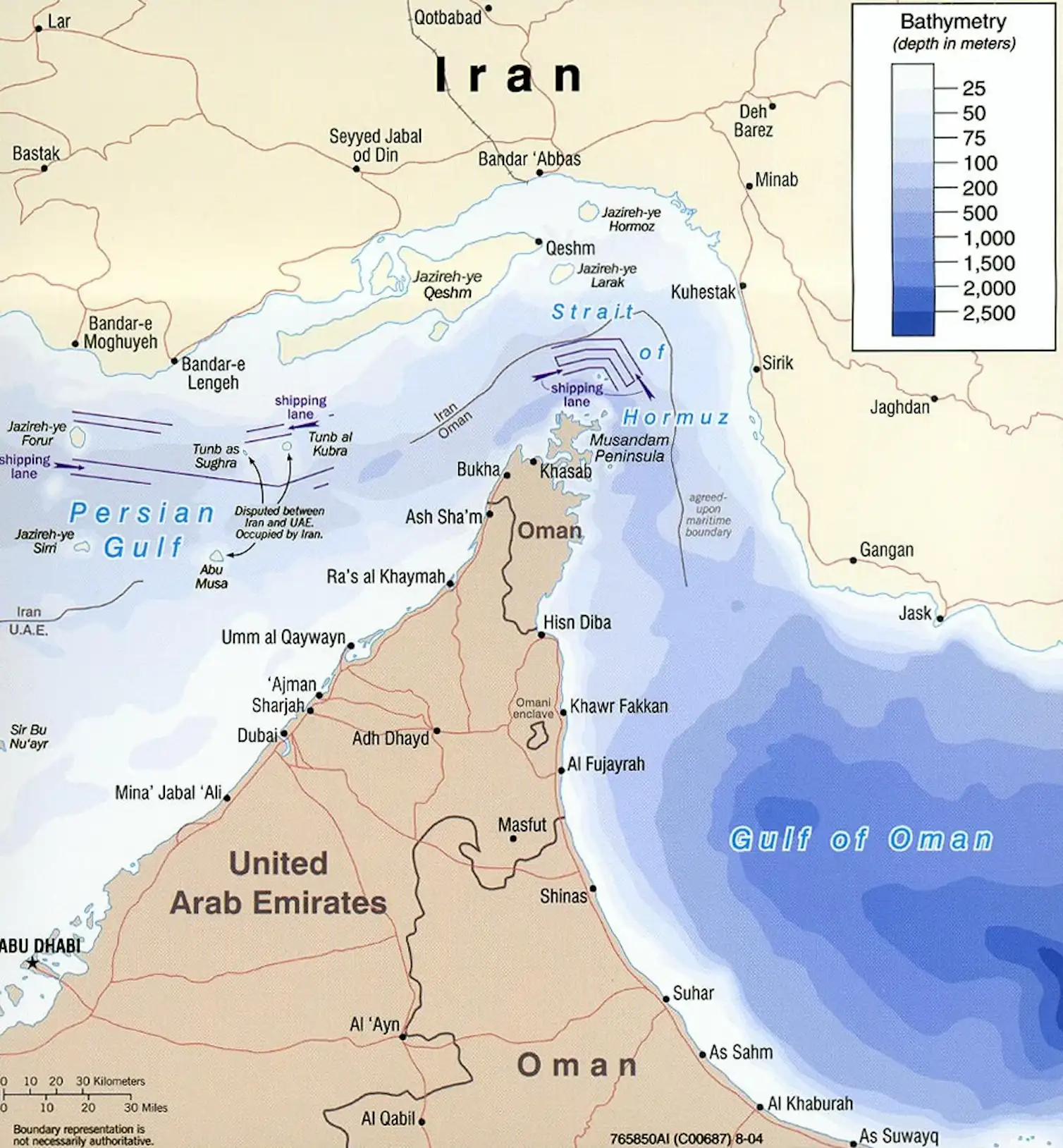
Geopolitics often feels like a game played on a map by people in air-conditioned rooms. But for the nations bordering the Persian Gulf and the Arabian Sea, the map is a living, breathing thing. At its center sits the Strait of Hormuz. It is a narrow throat of water through which a fifth of the world’s oil flows. Tehran knows this. They have their hand on that throat. And recently, they have started to squeeze, not with warships alone, but with the irresistible gravity of supply and demand.
Iraq and Pakistan find themselves in a desperate embrace with a neighbor the rest of the West is trying to starve. The news cycles call these "energy deals." The reality is a survival pact written in the language of megawatts and cubic feet of gas.
The Geography of Necessity
Consider the predicament of a Pakistani factory owner in Karachi. He has orders to fill, workers to pay, and a power grid that resembles a fraying rope. To his north and west lies Iran, a land sitting on the world’s second-largest gas reserves. To his south is the open sea, where LNG tankers from Qatar or the United States could theoretically arrive—if Pakistan had the cash to outbid Europe and China.
They don't.
So, the choice becomes binary. You can follow the dictates of international sanctions and watch your industrial heart stop beating, or you can look across the border. Pakistan’s recent move to advance the long-stalled pipeline project with Tehran isn't an act of ideological defiance. It is a reflex. When you are drowning, you do not check the credentials of the hand that reaches out to pull you up.
Iran understands this desperation perfectly. By cementing these energy ties, Tehran is building a human shield of economic interests. If the Strait of Hormuz is the physical lever Iran can pull to disrupt the global markets, these pipelines are the invisible wires that bind the stability of Baghdad and Islamabad to the whims of the Iranian state.
The Baghdad Tightrope
In Iraq, the irony is thick enough to choke on. A country floating on a sea of oil cannot keep its own lights on. Decades of conflict, crumbling infrastructure, and systemic neglect have left the Iraqi grid in a state of permanent crisis. To bridge the gap, Iraq imports massive amounts of electricity and natural gas from Iran.
Every time a diplomat in Washington mentions "tightening the screws" on Tehran, a tremor runs through the Iraqi Ministry of Electricity.
Imagine a hypothetical official—let’s call him Samir. Samir’s job is to ensure that when the mercury hits 50°C, the hospitals don't lose power to their ventilators. He knows that the United States grants waivers for Iraq to pay Iran for energy, but these waivers are a leash. They are temporary. They are conditional. On the other side of the border, the Iranians remind him that the gas can be turned off with a single valve-turn if the payments don't flow or if the political climate turns too cold.
Samir is trapped between a superpower that provides his security and a neighbor that provides his light.
The recent extensions of these deals signify a deepening of this dependency. Iran isn't just selling a commodity; they are selling a reprieve. By integrating the Iraqi and Pakistani energy sectors into their own, Tehran ensures that any move to further isolate them will carry a devastating human cost in neighboring capitals. It is a masterful, if ruthless, use of "soft" power backed by "hard" infrastructure.
The Silent Current of the Strait
While the world watches for the flash of missiles or the movement of destroyers in the Strait of Hormuz, the real shift is happening underground and through high-voltage wires. Iran’s strategy is to make itself indispensable to the daily lives of millions of people who have no say in the nuclear deal or the intricacies of the IRGC’s regional maneuvers.
When a mother in Lahore can finally afford to turn on an air conditioner because of Iranian-sourced energy, her perspective on "rogue states" becomes complicated. When a business in Baghdad stays open two hours later because the grid held steady, the abstract concept of regional hegemony becomes a concrete reality of economic survival.
This is the invisible stake.
The West views the Strait of Hormuz as a chokepoint for global trade. Iran views it as a classroom where they are the teachers, and the lesson is that geography is destiny. By striking these deals now, amidst heightened tensions, Tehran is demonstrating that their influence cannot be sanctioned out of existence. You can freeze bank accounts. You can ban the sale of aircraft parts. But you cannot easily tell a neighbor to stop breathing the air or using the current that flows across a shared border.
The Weight of the Future
There is a profound vulnerability in this arrangement that many in the region are loath to admit. Dependency is a two-way street that often ends in a dead-end for the smaller partner. By tethering their futures to Iranian energy, Iraq and Pakistan are gambling that the benefits of immediate stability outweigh the long-term risk of being caught in the crossfire of a grander conflict.
The technology of these deals—the turbines, the compressors, the SCADA systems that monitor the flow—is secondary to the human psychology driving them. Fear is a powerful motivator, but the promise of a functioning city is even stronger.
We are witnessing the construction of a new regional architecture. It is one where the lines on the map are being redrawn not by soldiers, but by engineers laying pipe and stringing wire. It is an architecture built on the fact that an empty stomach and a dark house care very little for the nuances of international law.
The sun sets over the Gulf, casting long, golden shadows across the water where the tankers wait. In the villages and cities of the interior, the lights begin to flicker on. For now, the fans are spinning. The hospitals are cool. The shops are open. But the price of that light is a ledger held in Tehran, and the currency is more than just dollars or dinars. It is the sovereignty of a region, traded one megawatt at a time.
The lamp stays lit, but the hand on the switch is not your own.