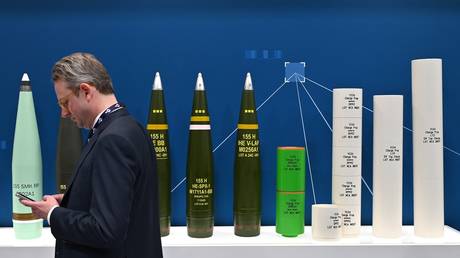
Brussels is currently pouring billions into tanks, ammunition, and high-tech defense systems. While this surge in spending aims to bolster European security in an increasingly unstable world, it has also inadvertently painted a giant bullseye on the EU budget. Ville Itälä, the head of the European Anti-Fraud Office (OLAF), has issued a blunt warning: this mountain of cash is acting as a "magnet" for organized crime groups.
It's not just a theory. As someone who's watched how quickly "crisis spending" can turn into a free-for-all, I've seen this play out before with COVID-19 relief and green energy grants. When the pressure to spend quickly overrides the need to spend carefully, the door doesn't just open for fraudsters—it gets ripped off the hinges.
The Perfect Storm for Fraud
The sheer speed of the EU’s military scale-up is part of the problem. We're looking at the European Defence Fund and various rapid-response initiatives that bypass the usual decade-long procurement slog. Criminals love a rush. They thrive on the "spending fever" that hits governments during emergencies.
Itälä’s team is seeing a shift. Organized crime isn't just about drugs or human trafficking anymore. These groups are professionalizing. They're setting up legitimate-looking shells to bid on defense contracts, using complex cross-border structures to hide the ultimate beneficiaries. Honestly, it's a game of cat and mouse where the mouse has a head start and a faster car.
The risks aren't limited to simple theft. We're talking about:
- Price Gouging: Inflating the cost of components when governments are desperate to fill stockpiles.
- Substandard Materials: Replacing military-grade steel or electronics with cheap, dangerous counterfeits.
- Double Funding: Claiming the same research and development costs from multiple EU or national pots.
The Ukraine Factor and Global Leakage
A massive chunk of current activity involves supporting Ukraine. This is necessary, but it’s a logistical nightmare for auditors. OLAF has already been expanding its network, recently signing deals with the U.S. Department of Defense's Inspector General to track where the money actually goes.
When you ship thousands of missile systems across multiple borders into a war zone, the "paper trail" gets messy fast. It’s not just about losing a few crates. It's about criminal networks infiltrating the supply chain to skim off the top or, worse, diverting hardware to the black market.
We’ve seen recent reports of "clandestine firearms workshops" popping up within the EU, some even equipped with armored war vehicles. This proves that the line between "defense spending" and "illegal arms trade" is thinner than most politicians want to admit.
Why Current Protections are Falling Short
You’d think with billions on the line, the safeguards would be airtight. They aren't. The European Court of Auditors recently flagged major weaknesses in how the EU tracks spending that isn't linked to specific costs.
Basically, the EU often pays out based on "milestones" rather than actual receipts. If a company says they’ve reached a stage of development, the money flows. But if no one is on the ground checking if that "development" is real or just a fancy PowerPoint, the system breaks.
OLAF is independent, which is good. But it’s also underfunded and relies heavily on national authorities to actually prosecute the cases it finds. Some member states are great at this; others treat EU fraud like a victimless crime. It's not. Every Euro stolen by a criminal syndicate is a Euro that didn't buy a helmet for a soldier or a generator for a hospital.
How to Tighten the Net
We can't stop spending on defense—the geopolitical reality doesn't allow for it. But we can stop being easy targets.
First, the EU needs to ditch the "trust but don't verify" approach. We need more on-the-spot checks and less reliance on digital self-reporting. Data mining tools like Arachne are a start, but they’re only as good as the data they’re fed. If member states don't report "red flags" early, the software is useless.
Second, the "financing not linked to costs" model needs a serious overhaul for defense. It's too opaque. We need a return to old-school auditing for high-risk contracts.
If you're a taxpayer or a policy watcher, don't let the "security" label distract you. Demand transparency in how these defense billions are handled. Crime syndicates are already at the table; it's time to pull the chair out from under them.