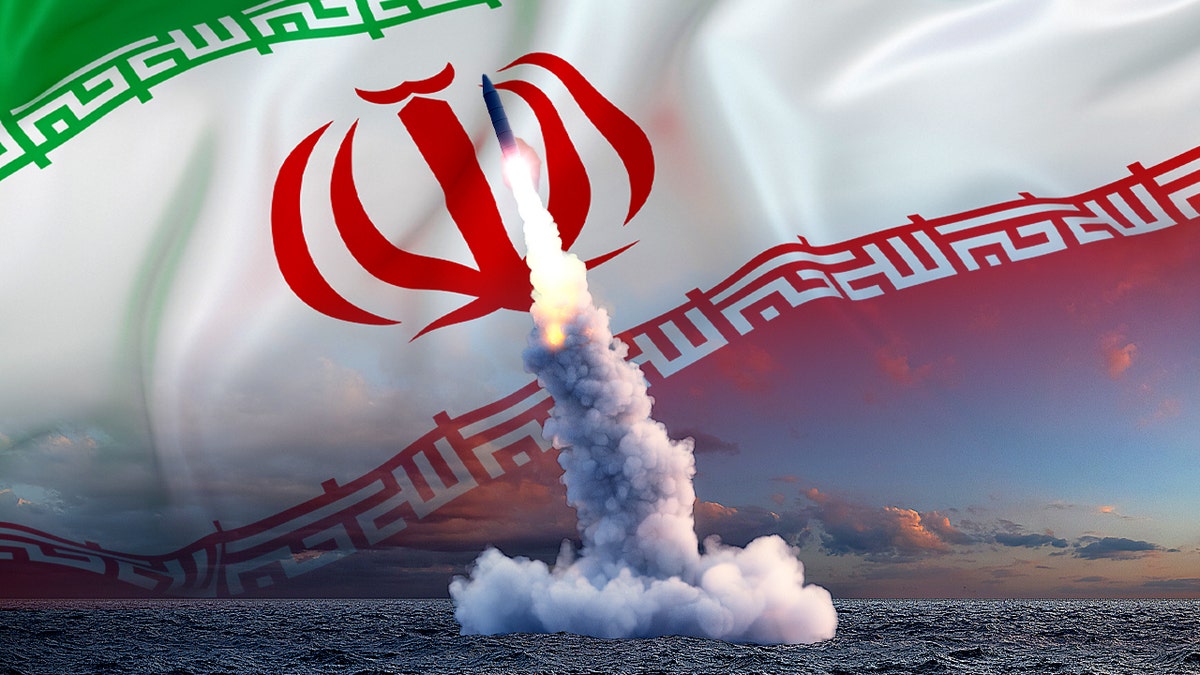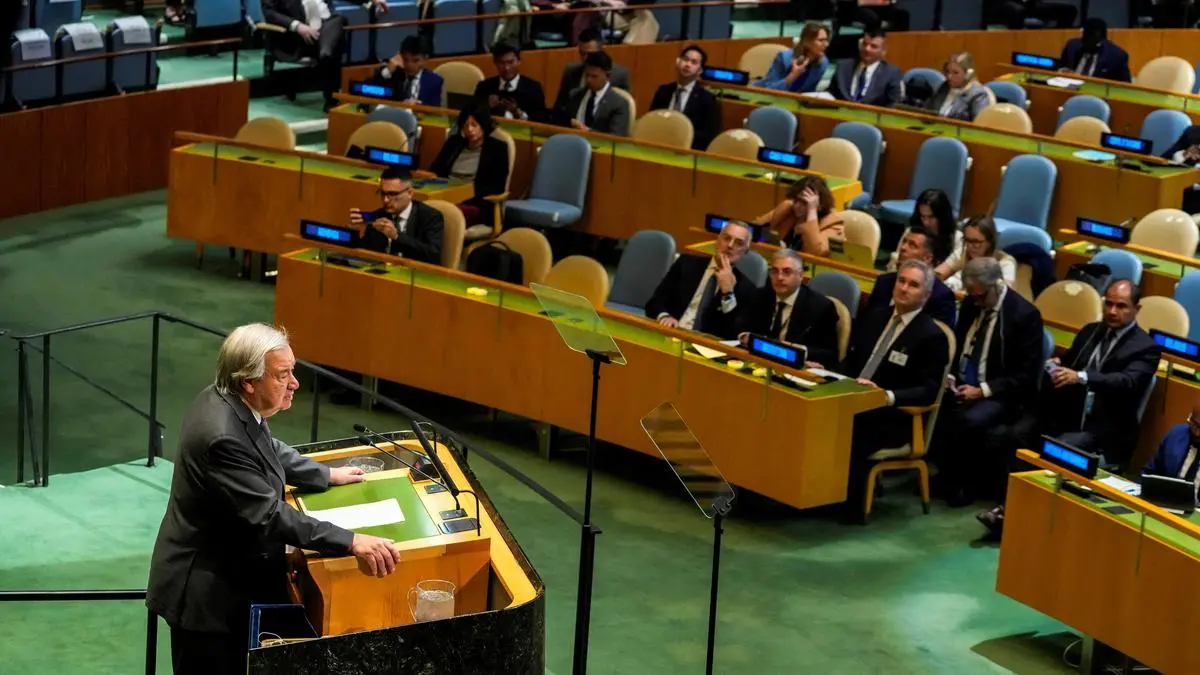
The opening of the 11th Nuclear Non-Proliferation Treaty (NPT) Review Conference in New York has devolved into a high-stakes standoff that threatens the very architecture of global arms control. On Monday, the United States and Iran traded sharp accusations over Tehran’s atomic ambitions, but the friction over diplomatic protocol masks a far more dangerous reality on the ground. Washington is no longer seeking a return to the 2015 nuclear deal. Instead, the White House has pivoted to a "zero enrichment" mandate, backed by the memory of the "Midnight Hammer" strikes and a naval blockade that has brought the global oil trade to its knees.
This is no longer a debate about monitoring and verification. It is a battle over the survival of the Iranian state’s technological identity versus a revamped American doctrine that views any Iranian centrifuge as an unacceptable risk. While the two nations clashed publicly over Iran’s election as a conference vice-president, the underlying crisis is driven by 440 kilograms of 60 percent enriched uranium and a series of smoldering ruins at Natanz and Esfahan.
The Strategy of Physical Dismantlement
For decades, the NPT was a slow-motion game of cat and mouse involving inspectors, seals, and cameras. That era ended in June 2025. When the United States and Israel launched coordinated strikes against Iranian nuclear facilities, they shifted the policy from "containment through diplomacy" to "containment through kinetic destruction."
The International Atomic Energy Agency (IAEA) has confirmed significant damage to the uranium conversion plant at Esfahan and the aboveground facilities at Natanz. Yet, the core of the problem remains underground. Reports indicate that the Fordow Fuel Enrichment Plant, buried deep within a mountain, remains largely functional. This geological reality has forced the U.S. into a diplomatic corner at the UN. If air power cannot reach the deepest centrifuges, Washington must use the NPT framework to demand a total surrender of enrichment rights—a demand Tehran views as a violation of the treaty’s "peaceful use" clause.
The Vice Presidency Provocation
The immediate spark for Monday’s shouting match was the election of Iran as one of the 34 vice presidents of the conference. To the casual observer, this looks like a trivial procedural spat. In the world of high-level diplomacy, it is a calculated test of legitimacy.
- The U.S. Argument: Christopher Yeaw, the U.S. assistant secretary of state for arms control, argued that Iran’s continued enrichment and its refusal to allow inspectors into bombed sites constitute a "contempt" for treaty obligations.
- The Iranian Rebuttal: Tehran points to the February 2026 expiration of the New START treaty between the U.S. and Russia as evidence that the Great Powers have no standing to lecture others on disarmament.
- The Russian Factor: Moscow, naturally, blocked efforts to single out Iran, framing the U.S. stance as an attempt to weaponize the UN against a sovereign state.
This procedural deadlock is a symptom of a deeper rot. The NPT has not produced a consensual final document since 2010. If this session fails, it will be the third consecutive collapse of the treaty’s review mechanism.
The Strait of Hormuz Leverage
While diplomats argue in the climate-controlled halls of the UN, the real pressure is being felt in the Persian Gulf. Iran has offered to reopen the Strait of Hormuz, but the price tag is staggering. They want a total lifting of the U.S. shipping blockade and an immediate end to the state of war.
The U.S. has countered with a 15-point plan that demands "zero enrichment" and the removal of all nuclear material from Iranian soil. This is a maximalist position that leaves no room for the face-saving compromises of the past. The Biden-era philosophy of "compliance for compliance" has been replaced by a Trumpian "surrender for survival" approach.
The Invisible Stockpile
The most critical factor in these talks is the status of Iran’s 60 percent enriched uranium. Experts warn that this material is only a short technical step away from 90 percent, or weapons-grade.
The IAEA reports that it has lost the "continuity of knowledge" regarding this stockpile. When the strikes began, Iran moved its most sensitive assets. No one—not the Americans, not the Israelis, and certainly not the UN inspectors—knows exactly where those 440 kilograms are currently located. This "invisible stockpile" is Iran’s ultimate insurance policy. It is the reason they haven't walked away from the NPT entirely; the treaty provides the legal cover they need to keep the world guessing.
A Treaty Without Teeth
The NPT was built on a grand bargain: non-nuclear states give up the bomb in exchange for access to peaceful nuclear technology and a promise from nuclear powers to disarm. Neither side is holding up their end of the deal.
The U.S. and Russia have allowed their bilateral limits to expire, and the U.S. is now openly discussing a return to nuclear testing. When the world’s primary nuclear power signals a move toward modernization and expansion, its demands for Iranian "zero enrichment" ring hollow to the "Non-Aligned Movement" of developing nations. This hypocrisy is the fuel that Iran uses to maintain its support among the 121 countries of that bloc.
The conference in New York is scheduled to last four weeks. However, the distance between the American demand for a nuclear-free Iran and the Iranian demand for a blockade-free economy is currently measured in light-years. Without a breakthrough in the Pakistan-mediated talks in Islamabad, the UN gathering is merely a televised preamble to the next round of kinetic escalation.
The reality is that diplomacy has become a secondary theater. The primary conflict is being settled through missile salvos, naval blockades, and the silent hum of centrifuges in mountain bunkers that may or may not still exist. The NPT was designed to prevent a world of "many nuclear powers." In 2026, it is struggling to prevent a world of "total nuclear chaos."
The next move won't come from a UN committee. It will come from whoever blinks first in the Strait of Hormuz.