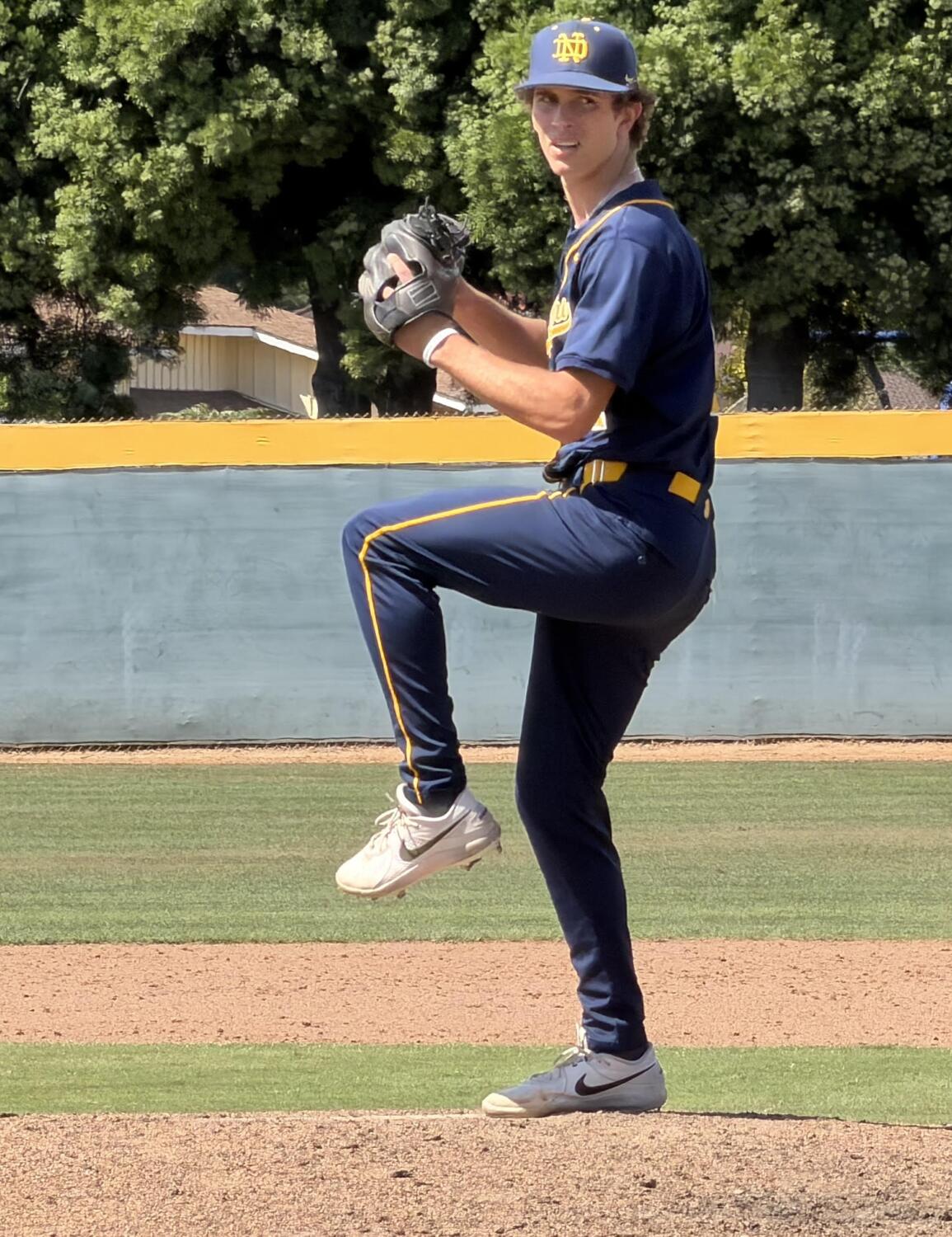
James Tibbs III is currently a man with a suitcase and a swing that refuses to quiet down. In the span of just 46 days during the 2025 season, the former Florida State standout was traded twice—not because he was failing, but because he was the exact kind of high-value currency that desperate front offices use to balance their ledgers. To understand why Tibbs is now the most talked-about non-roster invitee in the Los Angeles Dodgers’ spring camp, you have to look past the box scores and into the cold, transactional machinery of Major League Baseball.
The industry often treats prospects like stocks, but Tibbs has experienced the volatility of a crypto-coin. Drafted 13th overall by the San Francisco Giants in 2024, he was supposed to be the foundational left-handed power bat for a franchise in transition. Instead, he became the centerpiece of a June 2025 blockbuster that sent Rafael Devers to the Bay Area. Then, before he could even find a permanent apartment in the Boston area, the Red Sox flipped him again in July to the Dodgers for Dustin May.
For a 23-year-old, that much movement is enough to induce a permanent state of vertigo. Yet, as the 2026 season approaches, Tibbs isn't acting like a nomad. He is hitting like a resident.
The Anatomy of a High Value Pawn
Front offices don't trade 13th overall picks twice in one summer unless those picks have two specific traits: immense potential and immediate marketability. Tibbs possesses both. His collegiate career at Florida State was a masterclass in offensive evolution. He didn't just hit for power; he re-engineered his approach, slashing his strikeout rate from a concerning 32% as a freshman to a surgical 10.5% by the time he led the Seminoles to Omaha.
When the Giants moved him, they were buying a pennant race. When the Red Sox moved him, they were betting on the recovery of Dustin May’s right arm. Tibbs was the "why" behind both deals—the asset reliable enough to make a GM say yes.
The Statistical Recovery in Blue
The transition to the Dodgers organization at the end of 2025 provided the first real evidence that Tibbs could handle the psychological toll of the trade circuit. His stint with Double-A Tulsa was more than just a change of scenery; it was a statistical breakout.
| Metric | Double-A Portland (Red Sox) | Double-A Tulsa (Dodgers) |
|---|---|---|
| Batting Average | .207 | .269 |
| OBP | .319 | .407 |
| Home Runs | 1 | 7 |
| RBI | 7 | 32 |
The disparity is jarring. In 36 games with Tulsa, Tibbs produced nearly seven times the power output he managed in Boston's system. It wasn't just a hotter climate in Oklahoma; it was a fundamental shift in how he was being pitched and how he responded to the "mercenary" label.
The Pitch Choice Problem
If there is a crack in the Tibbs armor, it is his historical struggle against high-level secondary offerings. Scouts have long noted that while he can punish a 96-mph fastball, his "bat-over-athlete" profile makes him susceptible to the disappearing sliders and changeups of advanced pitching.
In the Giants' system, he was often too passive, waiting for the "perfect" heater. In Boston, the pressure of being the "Devers guy" seemed to make him expand his zone. The Dodgers, known for their hitting laboratory in Glendale, appear to have instructed Tibbs to return to his roots: aggressive, pull-side power with a focus on early-count damage.
He has shortened his stride. He is standing taller in the box. He is no longer trying to prove he was worth the trade; he is trying to prove he belongs on a roster that features Shohei Ohtani and Freddie Freeman.
The Logjam in Los Angeles
The irony of Tibbs finding his footing with the Dodgers is that he has landed in the one place where it is hardest to find a job. The Dodgers' outfield isn't just talented; it's a reinforced concrete wall. With a "glut" of prospects like Josue De Paula and Zhyir Hope breathing down his neck, and established stars occupying the grass in Chavez Ravine, Tibbs’ path to the majors is narrow.
He is a corner outfielder with limited speed. In the modern game, "limited speed" is a polite way of saying "designated hitter or first baseman." If he can't refine his defense in right field to at least a league-average level, his bat won't just have to be good—it will have to be undeniable.
Through early March 2026, he is making that argument. A .281 average and a .924 OPS in Cactus League play are the numbers of a player who is tired of being the "player to be named later." He recently launched a 458-foot home run that cleared the batter's eye in Glendale, a moonshot that served as a loud reminder to the two teams that gave up on him.
The Psychological Ledger
We rarely talk about the human cost of the prospect trade. We see the "plus-plus" power grades and the "50-grade" hit tools, but we ignore the fact that these are young men being moved like chess pieces across a map they didn't draw.
Tibbs has spent more time in hotel rooms than in team-provided housing over the last year. He has had three different sets of coaches telling him three different things about his hand placement. The fact that he is thriving in 2026 suggests a mental durability that scouts can't measure with a radar gun. He isn't playing for the name on the front of the jersey yet—he is playing for the name on the back, ensuring that the next time a GM calls his name, it's to promote him, not to ship him out.
The Dodgers didn't just acquire a left-handed bat when they took a flyer on Tibbs during the Dustin May trade. They acquired a player who has already survived the worst the industry's business side can throw at him.
Would you like me to analyze the Dodgers' current 40-man roster to see exactly whose spot James Tibbs III is most likely to take by mid-season?