Nostalgia is a terminal illness in urban planning.
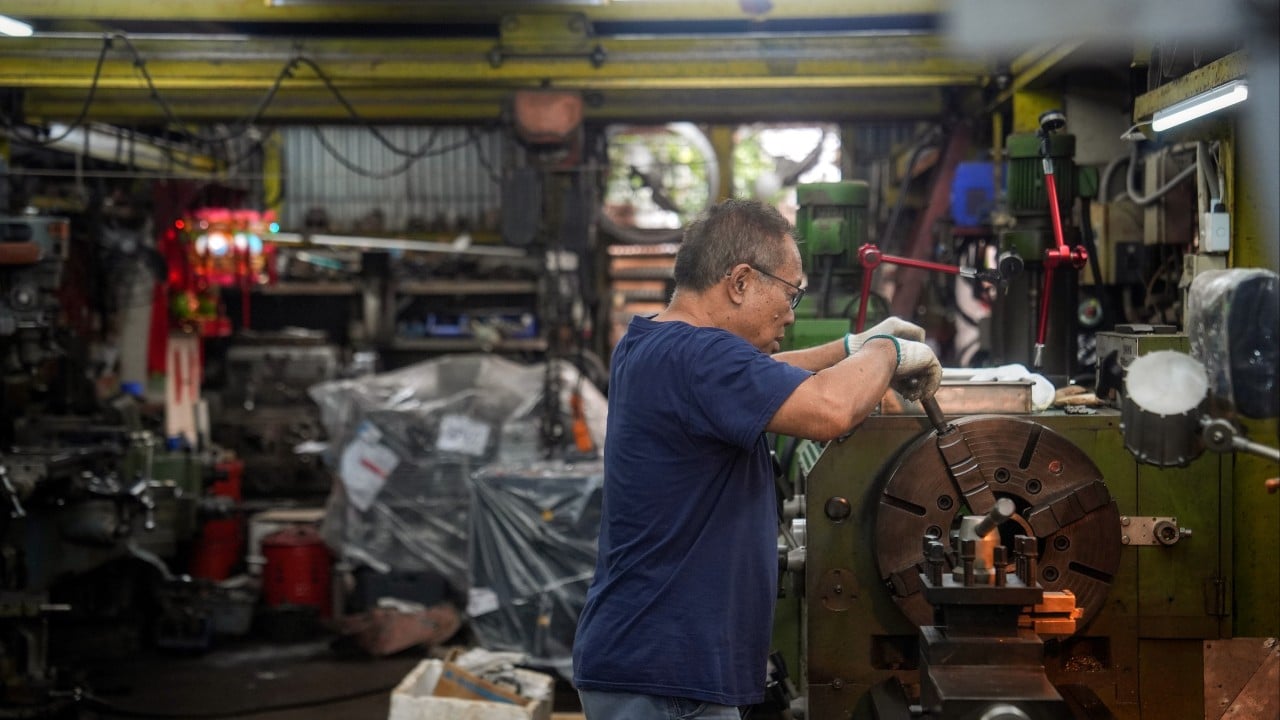
The weeping over the "displaced" ship mechanics in Aberdeen is a classic symptom. We see a veteran grease monkey with soot on his brow, hear the clang of a wrench against a hull, and immediately decide that progress is a villain. We frame the redevelopment of the Aberdeen waterfront as a heartless corporate land grab that "kills the soul" of the city.
That narrative is not just tired. It is dangerous.
The sentimentality surrounding Hong Kong’s traditional maritime industries is a luxury the city can no longer afford. If you actually look at the mechanics, the slipways, and the aging fleet clogging the south side of the island, you aren't looking at a "vibrant cultural heritage." You are looking at an inefficient, environmentally hazardous bottleneck that is strangling the economic potential of one of the world's most valuable coastlines.
The Myth of the Vanishing Craftsman
Let’s dismantle the "death of the industry" lie first. The argument usually goes like this: if we move the shipyards or convert the marina into a high-end hub, the skills will vanish, and the mechanics will have nowhere to go.
This assumes these men are static relics. It is patronizing.
I’ve spent a decade observing maritime logistics shifts across Southeast Asia. True artisans don't disappear because a postcode changes; they disappear because their business model fails to adapt. The current setup in Aberdeen is a chaotic relic of the 1970s. It’s a sprawl of ad-hoc repairs, unregulated runoff, and logistical nightmares.
By upgrading the infrastructure, we aren't "pushing out" the workers. We are forcing a professionalization of a sector that has been coasting on "the way we’ve always done it" for fifty years. The mechanics who are actually good—the ones who understand modern hull composites and complex electrical systems—will thrive in a modernized facility. Those who only know how to patch rust on a sinking junk? Their obsolescence was guaranteed long before a developer drew a blueprint.
Sentimentality is a Sunk Cost
The public loves a David vs. Goliath story. We want the grizzled mechanic to win against the gleaming yacht club. But ask yourself: do you want a 21st-century economy, or do you want a living museum?
If Hong Kong wants to remain a global maritime hub, it cannot keep its most strategic waterfronts locked in the mid-century. The opportunity cost is staggering.
- Land Value vs. Output: The revenue generated per square foot by an unorganized, low-tech repair yard is a fraction of what a integrated maritime tourism and services hub produces.
- Environmental Negligence: Traditional shipbreaking and repair in Aberdeen is an ecological disaster. The heavy metals and antifouling paints leaching into the water aren't "authentic"—they are toxic. Modernizing the marina is the only way to enforce environmental standards that actually work.
- The Talent Vacuum: No 22-year-old engineering graduate wants to work in a shack with no safety protocols and a "learning by osmosis" apprenticeship. By upgrading the facility, you create a career path that attracts new blood.
We are obsessed with "preserving" the past at the expense of building a future that actually functions. You can’t pay rent with "vibes" and black-and-white photography of old trawlers.
The Gentrification Bogeyman
The word "luxury" has become a slur in Hong Kong planning meetings. Mention a "yacht" and the pitchforks come out.
Here is the truth: High-net-worth maritime activity is a massive multiplier for the local economy. A single 50-meter yacht supports dozens of specialized jobs—from marine electronics technicians and interior designers to provisioning and logistics crews.
The "veteran mechanic" is part of this ecosystem, but he needs a workspace that reflects the assets he’s working on. Complaining that a new marina will be "too fancy" is like complaining that a hospital is "too clean."
Imagine a scenario where we kept the entire Hong Kong waterfront as it was in 1955. We’d have plenty of "soul," and we’d be as economically relevant as a provincial fishing village. We didn't get to be a tier-one global city by being sentimental about dilapidated piers.
The Logistics of Reality
Critics point to the "loss of mooring space" for smaller vessels. This is a legitimate logistical hurdle, but it is being used as a shield for broader NIMBYism.
The solution isn't to stop the project; it’s to build better elsewhere.
The industry needs a tiered system. We need high-density, automated dry-stack storage for smaller leisure craft and centralized, high-tech repair hubs in industrial zones like West Kowloon or Tsing Yi. Trying to cram everything into the scenic bowl of Aberdeen is why the system is broken in the first place. It’s a geography problem, not a moral one.
We have a habit of treating every change as a tragedy. When the Star Ferry moved, people acted like the sun wouldn't rise. When the manufacturing moved to the mainland, people predicted the end of the city. We are still here. We are here because we are ruthless about efficiency.
The Downside Nobody Mentions
I’ll admit the transition will be ugly. There will be a gap—perhaps five years—where things are messy. Some businesses will fold. That is the price of progress.
The mistake isn't the redevelopment. The mistake is the half-hearted way we do it. The government tries to please everyone and ends up with a compromised "heritage-style" mall that serves no one.
If we’re going to do this, we need to go all in. Turn Aberdeen into the Monaco of the East. Build the infrastructure that makes Singapore look like a backwater. Stop apologizing for wanting a world-class waterfront.
The "veteran mechanic" everyone is so worried about? He’s a businessman. If he’s smart, he’s already looking at how to service the new fleet. If he isn't, he’s just another footnote in the history of a city that refuses to stand still.
Stop mourning the rust. Start building the steel.