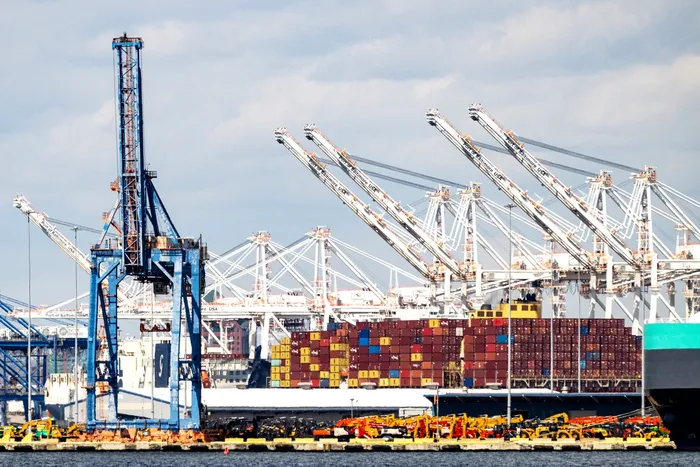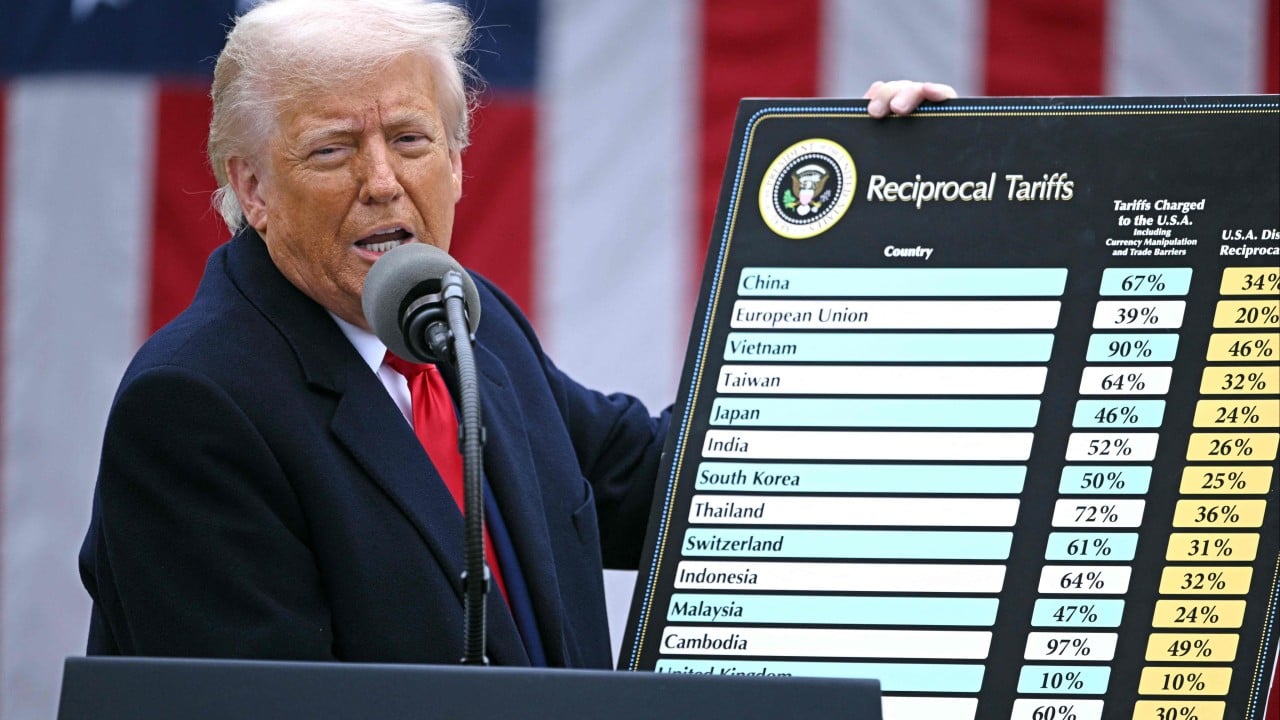
David stands in a warehouse in Ohio, surrounded by silence and the smell of industrial cardboard. He isn't looking at inventory. He is looking at a balance sheet that feels like a crime scene. For three years, David’s family-owned furniture business has been bleeding capital, not because of poor sales or a bad product, but because of a line item that most Americans only see in a news crawl: Section 301 tariffs.
He is one of thousands. Across the country, small and mid-sized enterprises have been functioning as accidental creditors to the United States government. They paid the taxes on Chinese imports—metal components, specialized textiles, the literal nuts and bolts of American assembly—under a cloud of shifting trade policy. Now, a window has finally cracked open. A refund system has launched, sparking a frantic, high-stakes dash to reclaim billions of dollars that were never supposed to stay in Washington’s pockets.
This is not a story about macroeconomics. It is a story about the survival of the people who make things.
The Paperwork of Survival
The "China tariffs" were designed as a geopolitical lever, a way to pressure a global superpower by taxing the goods that cross the Pacific. But the lever is heavy, and it rests squarely on the shoulders of people like David. When the trade war accelerated, the U.S. Trade Representative (USTR) created an "exclusion" process. It was a simple enough concept: if a company could prove they couldn't get their parts anywhere else, they wouldn't have to pay the extra 25 percent tax.
The reality was a bureaucratic labyrinth.
Companies applied. They waited. They paid the money anyway, hoping for a "yes" that often took months or years to arrive. In the meantime, that money vanished from their operating budgets. It wasn't just a tax; it was an interest-free loan to the Treasury, forced out of the pockets of businesses that needed that cash to pay for health insurance, new machinery, or a seasonal bonus.
Consider the math. If you are importing $2 million worth of essential components and a sudden 25 percent tariff hits, you owe an extra $500,000. For a massive multinational, that is a rounding error. For a company with fifty employees, that is the difference between growth and insolvency.
The Midnight Launch
When the new portal for refunds finally went live, it didn't feel like a victory. It felt like a gold rush in a dark tunnel. Customs and Border Protection (CBP) and the USTR have opened a digital gate, but the gate is narrow, and the clock is ticking.
The scramble is visceral. Imagine a room full of accountants and trade lawyers, fueled by lukewarm coffee, digging through mountains of digital entries dating back to 2018. Every entry is a potential recovery. Every mistake is a permanent loss. The refund system isn't a "check is in the mail" scenario; it is an active, aggressive hunt. Companies must match their specific imports to the specific exclusions granted by the government, down to the ten-digit harmonized tariff code.
If the code is off by one number, the money stays in the Treasury.
The complexity is the point. Or, at least, it feels that way to the people trying to navigate it. The system requires a level of forensic accounting that most small businesses simply don't possess. They are hiring consultants who take a percentage of the recovery. They are pulling staff off the production floor to scan old invoices. They are fighting for their own money.
The Invisible Stakes of a Percentage Point
Why does this matter to someone who doesn't own a warehouse in Ohio? Because the economy is a web of hidden costs. When David pays that 25 percent tariff, he doesn't just absorb it. He tries to, for a while. He cuts his own salary. He delays the purchase of a new delivery truck. Eventually, he has to raise prices.
The cost of a sofa in a showroom in North Carolina or a specialized valve in a Texas oil field is tied directly to these invisible trade battles. The refund dash is an attempt to reverse that pressure. If these firms can claw back their millions, they can stop the bleeding. They can reinvest. They can keep the lights on without raising prices again.
But there is a darker side to the dash. The money being recovered is often already "spent" in the minds of these business owners. They aren't looking for a windfall; they are looking to pay down the debt they took out to survive the last three years.
The Psychological Toll of the "Maybe"
The most exhausting part of this process isn't the math. It is the uncertainty. For years, these business owners have lived in a state of "maybe." Maybe the exclusion will be granted. Maybe the tariff will be lifted tomorrow. Maybe the refund will come through.
This uncertainty paralyzes decision-making. You don't hire a new manager if you might owe the government half a million dollars by the end of the quarter. You don't innovate if your R&D budget is sitting in a federal escrow account.
The launch of the refund system provides a moment of clarity, but it also highlights the absurdity of the situation. We have created a system where American companies have to fight their own government to get back money that was taken through a process everyone admits was flawed and overly broad. It is a circular struggle.
The Race Against the Calendar
There is a hard deadline. In the world of customs, "liquidation" is the final word. Once an entry is liquidated, the book is closed. If a company doesn't file its protest or its request for a refund before that window shuts, the money is gone forever. It becomes part of the federal budget, a permanent donation from a private business to the state.
The lawyers call it "administrative finality." David calls it a ticking bomb.
He sits at his desk, the blue light of the monitor reflecting in his glasses. He is looking at an entry from July 2021. It represents $42,000. To the U.S. government, $42,000 is less than the cost of a single set of tires for a fighter jet. To David, it represents the health insurance premiums for his entire staff for the next two months.
He clicks "submit."
Then he moves to the next line. There are four hundred more to go.
The dash continues across the country, in high-rise offices in Manhattan and metal-sided buildings in the Midwest. It is a quiet, desperate, digital war for the ghosts of past transactions. The money is returning, slowly, in trickles and spurts, but the time lost to the wait and the energy spent on the hunt can never be refunded.
David looks out the window at the loading dock. A truck is pulling in. It’s carrying more parts. More crates. More tariff codes. The cycle isn't over; it has just entered a new phase of accounting. He turns back to the screen and starts the next claim.
Every click is a heartbeat. Every refund is a breath of air for a drowning business.