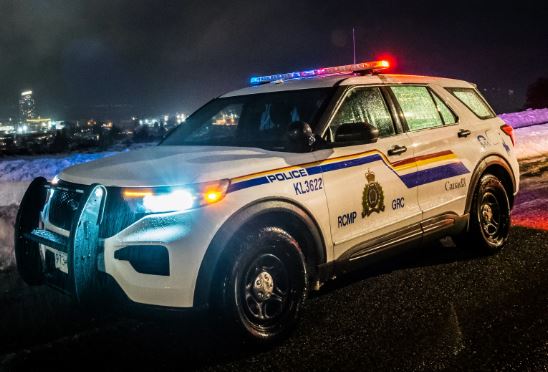
Saskatoon just recorded its second homicide of 2026, and the details feel hauntingly familiar to anyone who tracks local crime trends. Just after midnight on Saturday, March 14, the flashing lights of police cruisers lined the 900 block of 22nd Street West. Officers arrived around 12:30 a.m. to find a man bleeding from a gunshot wound. He didn't make it. Despite being rushed to the hospital, he died from his injuries, leaving the Major Crime Section to piece together another violent puzzle in the city’s core.
This isn't just a headline. It's a symptom of a persistent struggle with violent crime in specific corridors of the city. While overall crime numbers in Saskatoon have shown some signs of stabilizing over the last year, the severity of these incidents remains a major concern for residents and local officials alike.
Breaking Down the 22nd Street Investigation
The shooting happened between Avenue I and Avenue J, a stretch of 22nd Street that has long been under the microscope for public safety. When police arrived, the scene was chaotic. The victim, whose identity hasn't been released yet, was struggling for his life.
The Major Crime Section is now leading the charge. This unit handles the "heavy" files—the ones that require forensic specialists, door-to-door canvassing, and hours of video surveillance review. They aren't just looking for a shooter; they're looking for the events that led up to that midnight confrontation. Was it targeted? Was it a random escalation? Police haven't tipped their hand on a motive, but they’re leaning heavily on the public for help.
- Location: 900 block of 22nd Street West
- Time: Approximately 12:30 a.m., March 14, 2026
- Current Status: No suspects in custody; investigation ongoing
Context Matters Why Two Homicides by March is Significant
To understand where we are, you have to look at where we’ve been. The first homicide of 2026 occurred back on February 3, involving a stabbing at St. Paul’s Hospital. Two men showed up with wounds; one lived, one didn't. Charges have already been laid in that case, with an 18-year-old and a 26-year-old facing various counts, including manslaughter.
Comparing this to 2024 and 2025, Saskatoon is on a pace that keeps the community on edge. In 2024, the city tied for the fourth-highest homicide rate per 100,000 people in Canada. While the overall Crime Severity Index (CSI) dropped by about 10% in 2024, the violent crime index actually ticked up. It's a weird contradiction—the city is getting "safer" from property theft but remains volatile when it comes to physical violence.
Basically, your car is less likely to get broken into, but the risk of a high-stakes confrontation in certain areas hasn't faded. That’s the reality the Saskatoon Police Service (SPS) is fighting right now.
The Role of the Major Crime Section
When a homicide occurs, the SPS shifts into a specific gear. The Major Crime Section doesn't just work alone. They coordinate with:
- Forensic Identification Services: These are the people in the white suits collecting shell casings and DNA.
- Patrol Officers: They secure the perimeter and ensure no evidence is trampled.
- Victim Services: They handle the fallout with the families, which is the part of the job nobody likes to talk about.
The investigation into the 22nd Street shooting is in the "canvas" phase. They’re looking for dashcam footage from anyone driving through the area between midnight and 1:00 a.m. If you were nearby, even if you didn't see the gun, your camera might have caught a fleeing vehicle or a person of interest.
What This Means for Public Safety on 22nd Street
Let’s be honest. People are tired of seeing yellow tape on 22nd Street. It’s a vital artery for the city, but it’s also a lightning rod for social issues that often boil over into violence. The SPS has increased patrols in the area over the last two years, but as this latest homicide proves, presence isn't always a deterrent for someone determined to pull a trigger.
The city’s leadership is under pressure to move beyond "reactive" policing. While the Major Crime Section is excellent at catching people after the fact, the community is begging for more preventative measures. This includes tackling the root causes like the drug trade and gang activity that often fuel these midnight shootings.
How to Help the Investigation
Police are being very direct—they need you. If you know something and you’re staying quiet because you’re worried about "snitching," remember that a man is dead and a shooter is still out there. You don't have to give your name.
- Call the SPS: 306-975-8300. Tell them what you saw or heard.
- Crime Stoppers: 1-800-222-8477. This is the anonymous route. They don't track your phone or IP.
- Check Your Tech: If you live or work near 22nd and Avenue I/J, check your doorbell cameras or security feeds from early Saturday morning.
The next few days are critical for the Major Crime Section. Early leads usually make or break these cases. If you have a piece of the puzzle, now is the time to hand it over. Keep an eye on official SPS channels for updates on the victim’s identity and potential suspect descriptions.