The ink on the Office for Budget Responsibility (OBR) Spring Forecast isn't even dry, and it already looks like a relic of a simpler time. On Tuesday, March 3, 2026, Chancellor Rachel Reeves stood in the House of Commons and promised that the UK's long nightmare of high prices was finally ending. She pointed to data suggesting inflation would hit the 2% target this spring. It was a nice story. But while she was speaking, the real world was busy tearing that script to shreds.
With the outbreak of direct war involving Iran, the "rosy" economic path the government just mapped out has hit a massive, flaming roadblock. If you've been waiting for interest rates to plummet or your energy bills to stay flat, I have some bad news. The geopolitical reality of March 2026 has made those official predictions look incredibly optimistic—or just plain wrong.
The oil and gas trap that doesn't care about your targets
We've seen this movie before, but the 2026 version has a much nastier plot. The UK doesn't buy its gas directly from Iran, but that's irrelevant. Global energy is a giant, interconnected web. When Tehran threatens to close the Strait of Hormuz, the market panics first and asks questions later.
Around 20% of the world's oil and a huge chunk of Liquefied Natural Gas (LNG) flows through that narrow gap. On the news of the conflict, Brent crude didn't just tick up; it leaped over 15% in a single week, crossing the $80 mark and eyeing $100. Gas prices, which the UK relies on for everything from heating to electricity, have nearly doubled.
Here is the math the government doesn't want to focus on: for every $10 jump in the price of a barrel of oil, you can usually tack an extra 0.2 percentage points onto the inflation rate. If oil hits $100 and stays there, that "2% target" vanishes. We're looking at a scenario where headline inflation could easily rebound toward 4% or 5% by the summer of 2026.
Shipping costs and the new supply chain crisis
It isn't just about the fuel in your car or the boiler in your basement. We're seeing a massive secondary shock in the way goods move around the planet. The Red Sea was already a mess thanks to Houthi attacks throughout 2024 and 2025. Now, with a full-scale regional war, maritime insurers are pulling "war risk" cover for the entire Gulf.
What does that mean for you? It means the cost of shipping a container from Asia to Felixstowe is about to skyrocket—again.
- Rerouting: Ships are ditching the Suez Canal for the long haul around the Cape of Good Hope.
- Fuel Surcharges: Longer trips plus more expensive oil equals a double-hit on freight costs.
- Inventory Gaps: Just-in-time manufacturing is dead. Companies are going to start hoarding stock to avoid shortages, which pushes prices even higher.
If you thought the "cost of living crisis" was a 2023 problem, think again. The lag time on these shipping hikes means that even if the shooting stopped tomorrow, the price of shoes, laptops, and appliances would still be climbing six months from now.
Why the Bank of England is suddenly paralyzed
For months, the City was betting on a big interest rate cut in March or April 2026. The Bank of England (BoE) had held rates at 3.75% in February, waiting for that final push toward the 2% target.
That "certain" rate cut is now a "maybe" at best. The Monetary Policy Committee (MPC) is stuck in a classic trap. If they cut rates to help a slowing economy, they risk letting inflation run wild because of energy costs. If they keep rates high to fight the "Iran shock," they might tip the UK into a genuine recession.
The Chancellor claims people will be £1,000 better off this year. That assumes a world where energy prices behave and the Bank of England keeps cutting. Right now, neither of those things looks likely. If you're holding out for a cheaper mortgage deal, you might be waiting a lot longer than the February headlines suggested.
Don't get fooled by the official optimism
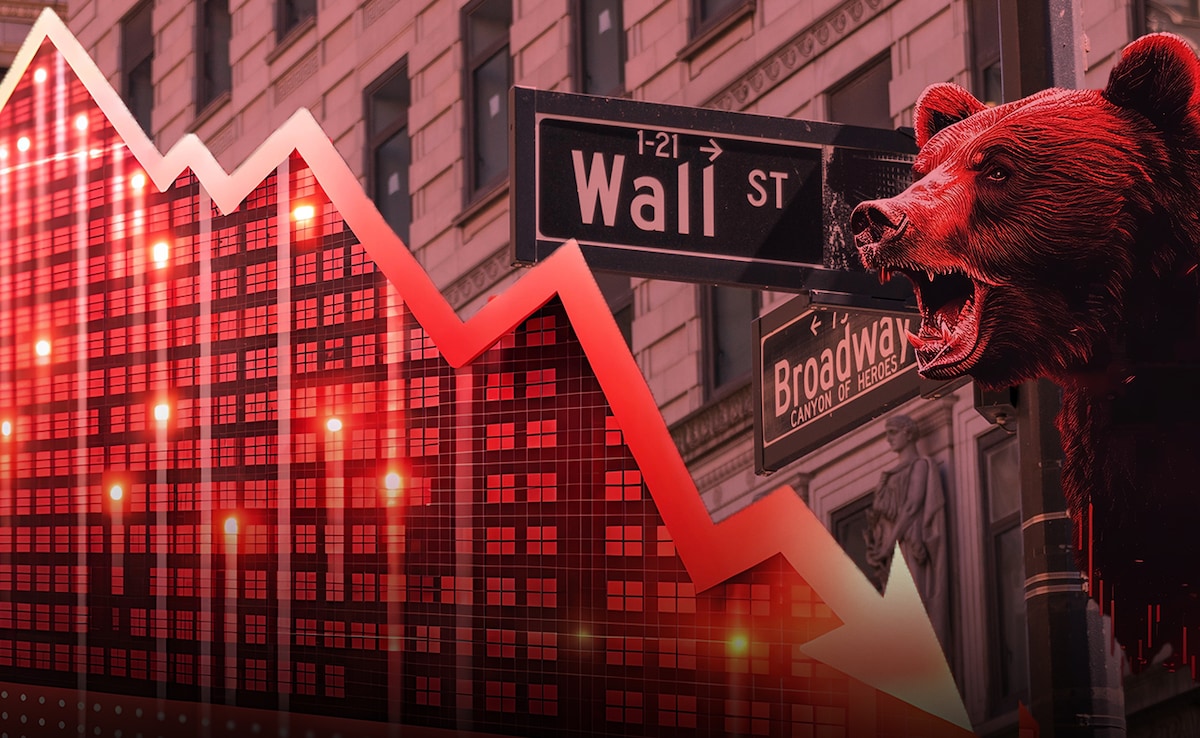
The government has a political need to tell you things are getting better. They’ve promised that 2026 would be the year of "stability." But stability is a hard sell when the FTSE 100 is tanking and the global energy market is in a tailspin.
The Institute for Fiscal Studies (IFS) has already warned that this conflict could cause "far-reaching economic disruption." They’re right. The OBR forecasts are built on "central scenarios"—basically, the middle of the road. They don't account for "black swan" events like a war that shuts down 20% of the world's energy supply.
What you can actually do about it
You can't stop a war, but you can stop believing every rosy forecast you read in the Sunday papers.
- Fix your energy if you can: If you’re a business owner and your contract is up in the next 6 months, don't wait. The volatility right now is insane, and "waiting for it to settle" is a gamble you’ll probably lose.
- Audit your supply chain: If your business relies on imports from Asia or the Middle East, expect delays and 20% higher shipping surcharges by May.
- Stress-test your budget: If you're planning a big purchase based on the idea that interest rates will be 2.5% by Christmas, stop. Assume they stay at 3.75% or even tick back up. If the math doesn't work at current rates, don't do it.
The 2026 Spring Statement was a nice dream. The Iran war is the cold bucket of water that just woke us up. Stop looking at the government's charts and start looking at the oil price tickers. That's where the real story is being written.